
Abstract:
A giant tortoise estimated to have lived for 194 years may be helping scientists uncover the mysteries of biological aging. Researchers conducted a genome and epigenetic analysis on Jonathan, the Seychelles giant tortoise, the world's longest-lived terrestrial animal, and found that it has 287 unique genetic variations involving important biological processes such as DNA damage repair, inflammation control, insulin regulation and cancer suppression. Even more surprising is that even though Jonathan is nearly two centuries old, some of the genetic switches in his body responsible for regulating DNA repair and metabolism still show a similar state to that of his younger counterparts.
This research was led by Kallel, a U.S. longevity research non-profit organization, and the relevant results were published in the journal "Science Advances" on October 7, 2026. The researchers believe that these findings help to understand why some animals can live far longer than humans, and may also provide new clues for future research on human aging and chronic diseases.
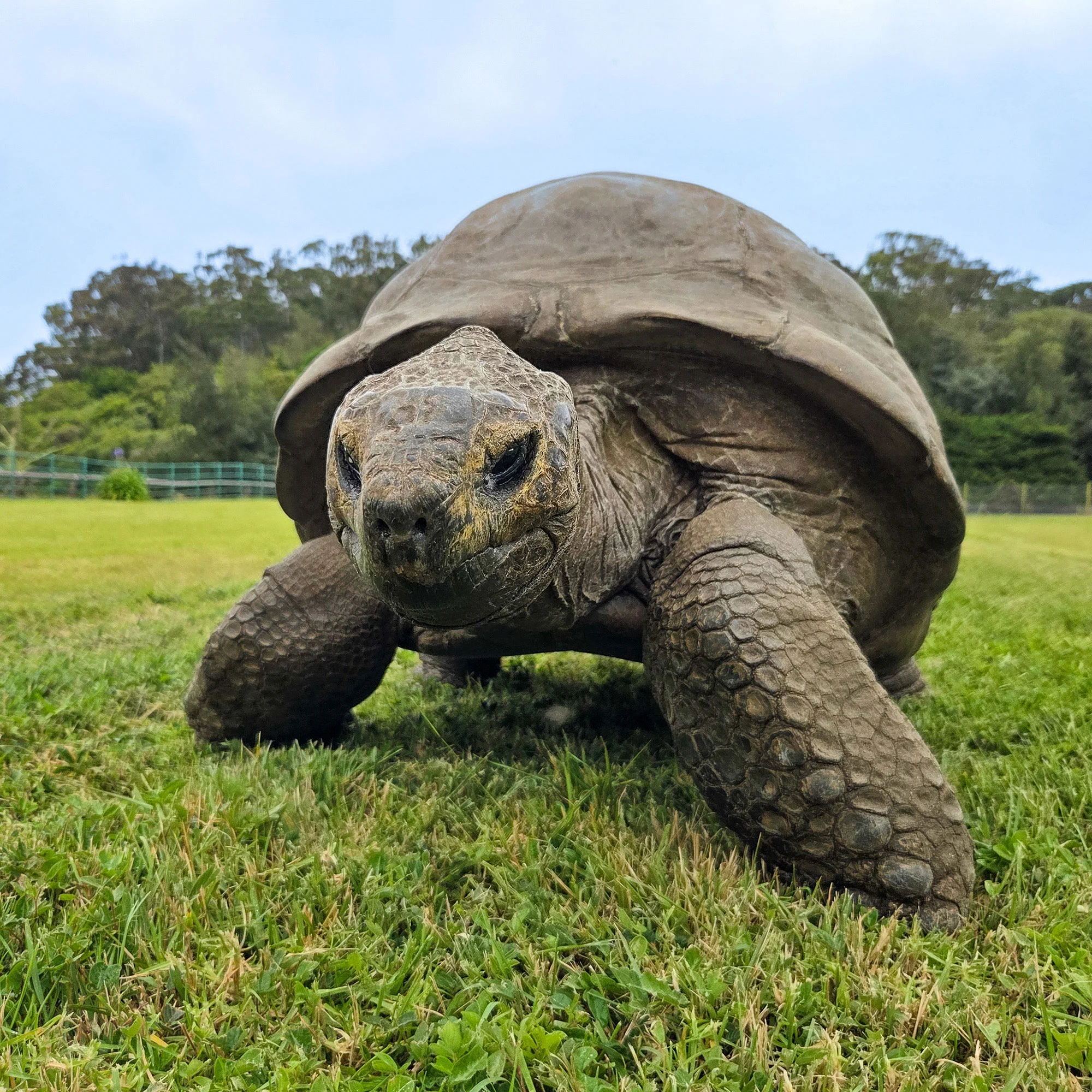
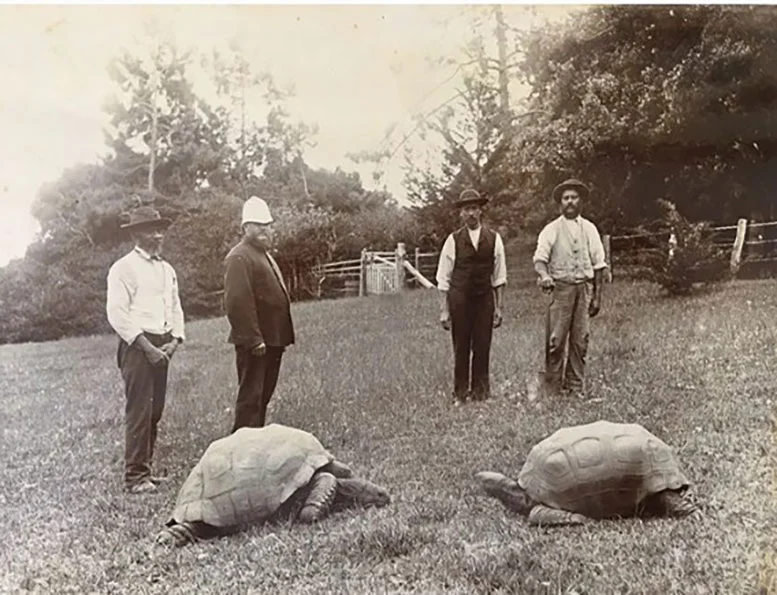
Jonathan was born in 1832. By this estimate, it was born when Charles Darwin was still a young explorer and Queen Victoria had not yet ascended the throne. Today, Jonathan is one of the longest-lived land animals known in the world, and the longest-lived giant tortoise with reliable records supporting his extremely old age.
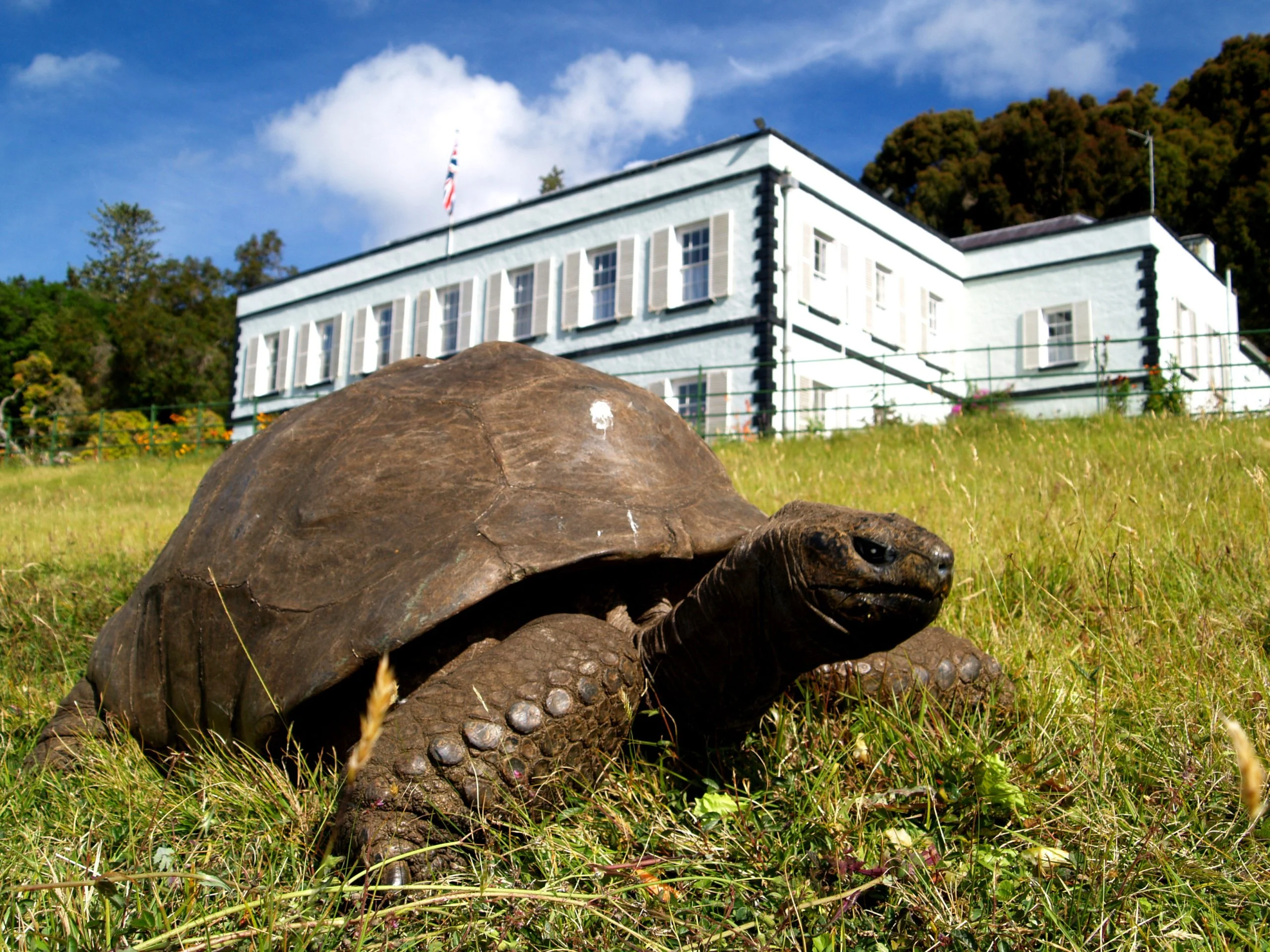
In 1882, Jonathan was taken from the Seychelles to the island of St. Helena in the South Atlantic as a gift to the then governor of the island. It arrived fully grown. Since then, it has lived in the courtyard of the Governor's official residence, Plantation House, for 144 years, witnessing nearly a century and a half of historical changes.
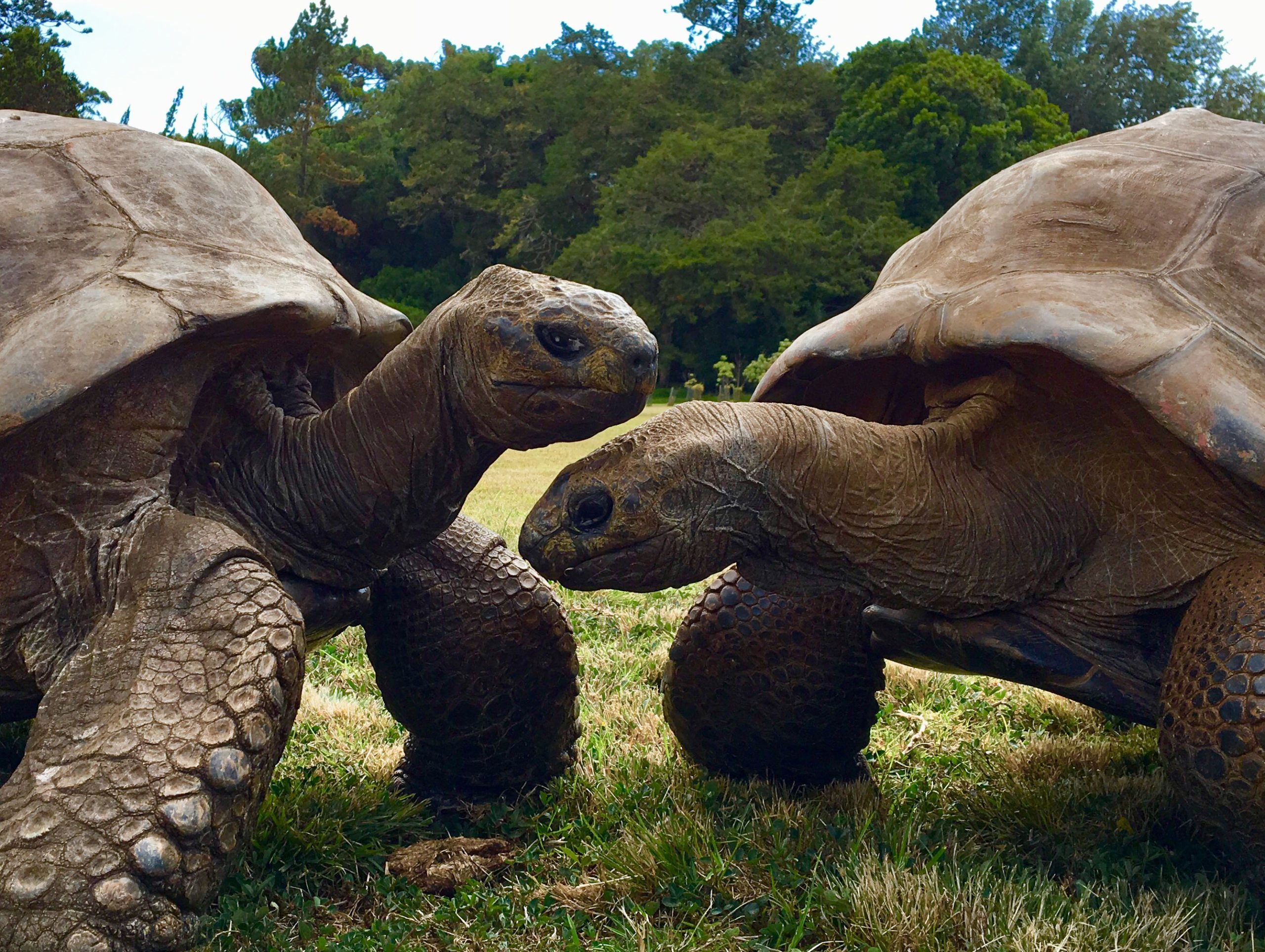
Jonathan's longevity has long intrigued researchers. Aldabra giant tortoises themselves are known for their long lifespans, with some individuals able to live over 100 years, but Jonathan's estimated age is much older than the average of his kind. Scientists hope to find biological mechanisms that can explain this extreme longevity by studying its genetic characteristics.
This study not only analyzed Jonathan's DNA sequence, but also systematically examined the epigenome of the giant tortoise for the first time. Unlike the DNA sequence that determines the genetic information of organisms, the epigenome involves chemical tags attached to DNA or related structures. These tags can affect when genes are turned on and off, and the strength of gene activity.
DNA can be understood as a book containing complete life instructions, and epigenetic marks are similar to notes on the pages of the book, telling cells what to read under what circumstances. As we age, these regulatory markers tend to change, and the regulatory patterns in some regions gradually lose their original regularity, thus affecting cell function. This change is considered an important component of biological aging.
The research team compared Jonathan's epigenome with other Aldabra giant tortoises and discovered an unusual phenomenon: Although Jonathan is nearly 200 years old, some of his gene regulatory regions related to DNA repair and energy metabolism still maintain similar characteristics to those of younger individuals.
Justin Gerlach, a researcher at Peterhouse College, University of Cambridge, who participated in the study, said that the gene regulatory mechanism responsible for regulating energy production and DNA repair showed amazing stability during Jonathan's nearly two centuries of life.
DNA repair is critical to sustaining life. Cells will continue to produce damage during normal metabolic processes, and the external environment may also cause changes in DNA. If these damages cannot be repaired in time, they may gradually accumulate, affect the normal work of cells, and even increase the risk of diseases such as cancer.
Gene regulatory mechanisms related to DNA repair can help cells maintain their repair capabilities. If these regulatory mechanisms remain relatively stable over a long life span, it could theoretically help reduce some age-related cellular dysfunctions. However, this does not mean that all of Jonathan's cells have not aged, nor can it be concluded that DNA repair ability is the only reason for his longevity.
Researchers also found that Jonathan has 287 unique genetic mutations. These variants are involved in multiple biological processes related to healthspan, including repairing DNA damage, regulating inflammatory responses, controlling insulin-related processes, and inhibiting tumor formation.
Insulin is an important hormone that helps regulate blood sugar levels and participates in cellular energy metabolism. Insulin-related signaling pathways are also involved in the regulation of growth, metabolism, and lifespan in a variety of animals. The researchers therefore focused on Jonathan's genetic characteristics in this area, hoping to further understand whether these changes help it maintain relatively stable physiological functions throughout its long life.
Mitochondria are also one of the focuses of research. Mitochondria are responsible for providing most of the energy needed by cells, and their function can be affected by factors such as aging, environmental stress and cell damage. Decreased mitochondrial function is thought to be linked to a variety of age-related diseases. Therefore, the mechanism that can maintain the stable expression of mitochondria-related genes may be an important entry point for understanding extreme longevity.
The research team also focused on telomere-related functions. Telomeres are located at the ends of chromosomes and protect their structure. Telomeres in many organisms gradually shorten as cells divide, and the maintenance mechanism of telomeres is related to cellular aging and certain diseases. Some of Jonathan's genetic variations involve related biological pathways, providing clues for further research on the longevity mechanism of giant tortoises.
It is worth noting that the 287 unique genetic mutations do not mean that scientists have proven that these mutations can directly extend the life of animals. The research identifies genetic characteristics that are linked to relevant biological processes, and their actual effects still require further experimental verification. Genetic variations may affect certain cellular processes, but how long an organism ultimately lives depends on a host of genetic, environmental and physiological factors.
The study also found another important finding: Some of Jonathan's epigenetic marks did not appear to show the obvious changes that would normally be expected with age.
The researchers focused on DNA methylation entropy. This metric measures how disordered the DNA methylation patterns are in a specific region. Methylation is one of the important mechanisms of epigenetic regulation and can affect gene activity. As we age, the methylation patterns of some gene regulatory regions may gradually become irregular, so related changes can provide a reference for studying biological aging.
The research team found that in certain gene regulatory regions related to longevity, Jonathan's methylation entropy was lower than that of all giant tortoises tested in this study, with only a 5-year-old hatchling showing a lower value. This means that the regulatory pattern of some key genes in Jonathan's body still retains characteristics closer to that of a young individual.
However, this does not mean that Jonathan’s entire epigenome remains youthful. The researchers pointed out that most of its DNA regulatory regions still show changes consistent with advanced age, and only some regions related to important life activities appear to be particularly stable.
This local stability may have important implications. Aging does not mean that all parts of the body change at exactly the same rate, but that different tissues, cells and biological processes present complex change trajectories. If certain key regulatory mechanisms can remain stable for a long time, it may help organisms continue to maintain some important cellular functions in old age.
Researchers believe that Jonathan's longevity may be due to the combined effect of two factors: on the one hand, it has certain genetic characteristics that may be conducive to healthy lifespan; on the other hand, some key gene regulatory mechanisms do not show obvious disorders that are usually expected during the long life.
This also makes giant tortoises an important subject for studying aging. These animals have extremely long lifespans compared to humans, yet are able to maintain mobility for long periods of time. By comparing the genomes and epigenomes of different species, scientists hope to find common mechanisms that could explain differences in lifespan.
However, there are obvious limitations to studying extremely long-lived individuals like Jonathan. Its age, although supported by historical records, is still an estimate, and only one was studied. The researchers are not yet sure whether the genetic and epigenetic traits found are mechanisms of longevity common to Aldabra giant tortoises or if they are unique to Jonathan.
To answer this question, it is necessary to study more giant tortoises of different ages in the future and compare relevant data with other long-lived animals. Only by discovering consistent patterns in more individuals and species can scientists more confidently judge which biological mechanisms are truly causally linked to longevity.
The research team hopes that these findings will eventually help human health research. Stephen Clark, founder and senior author of Kallel who participated in the study, said that nature has developed various ways of coping with aging through a long evolutionary process, and Jonathan's genome may provide a reference for understanding how cells resist damage.
Aging is an important risk factor for many chronic diseases. The risk of cardiovascular disease, cancer, and various neurodegenerative diseases generally increases with age. Therefore, if scientists can understand how certain long-lived animals maintain DNA repair, control inflammation and stabilize cell metabolism, they may find new research directions for exploring ways to delay age-related functional decline.
But there is still a long way to go from genetic signatures of giant tortoises to anti-aging treatments for humans. There are significant differences between tortoises and humans in terms of physiological structure, metabolic characteristics and lifespan regulation mechanisms. The effect that a certain genetic mutation may have on giant tortoises does not mean that it can have the same effect on humans.
Currently, this research has not resulted in anti-aging drugs or treatments that can be used directly in humans. What the researchers obtained was a set of genetic and epigenetic clues worthy of further validation, rather than a proven method to extend human lifespan.
Nonetheless, Jonathan's case still has important scientific value. It suggests that extreme longevity may not just depend on having favorable genes, but may also be related to the body's ability to maintain key cellular mechanisms over the long years. By studying these mechanisms, scientists may be able to better understand why some organisms are able to resist some of the effects of aging.
Nearly two centuries of life have given Jonathan a unique window into biological aging. The characteristics of its DNA and gene regulatory mechanisms have provided scientists with new research directions, but to truly uncover the causal relationship behind longevity, more experiments and cross-species comparisons are still needed. In humans, this research is still a long way from life-extending treatments, but it provides new clues to understanding how aging occurs and whether the process can be slowed to some extent.
Comments