
Abstract:
Scientists have discovered that a type of butterfly that lives in the tropical rainforests of Central and South America not only lives much longer than its close relatives, but also does not seem to suffer the usual obvious physical decline as it ages. This finding suggests that longevity does not necessarily mean simply "living longer," but that some animals may also have evolved to age more slowly.
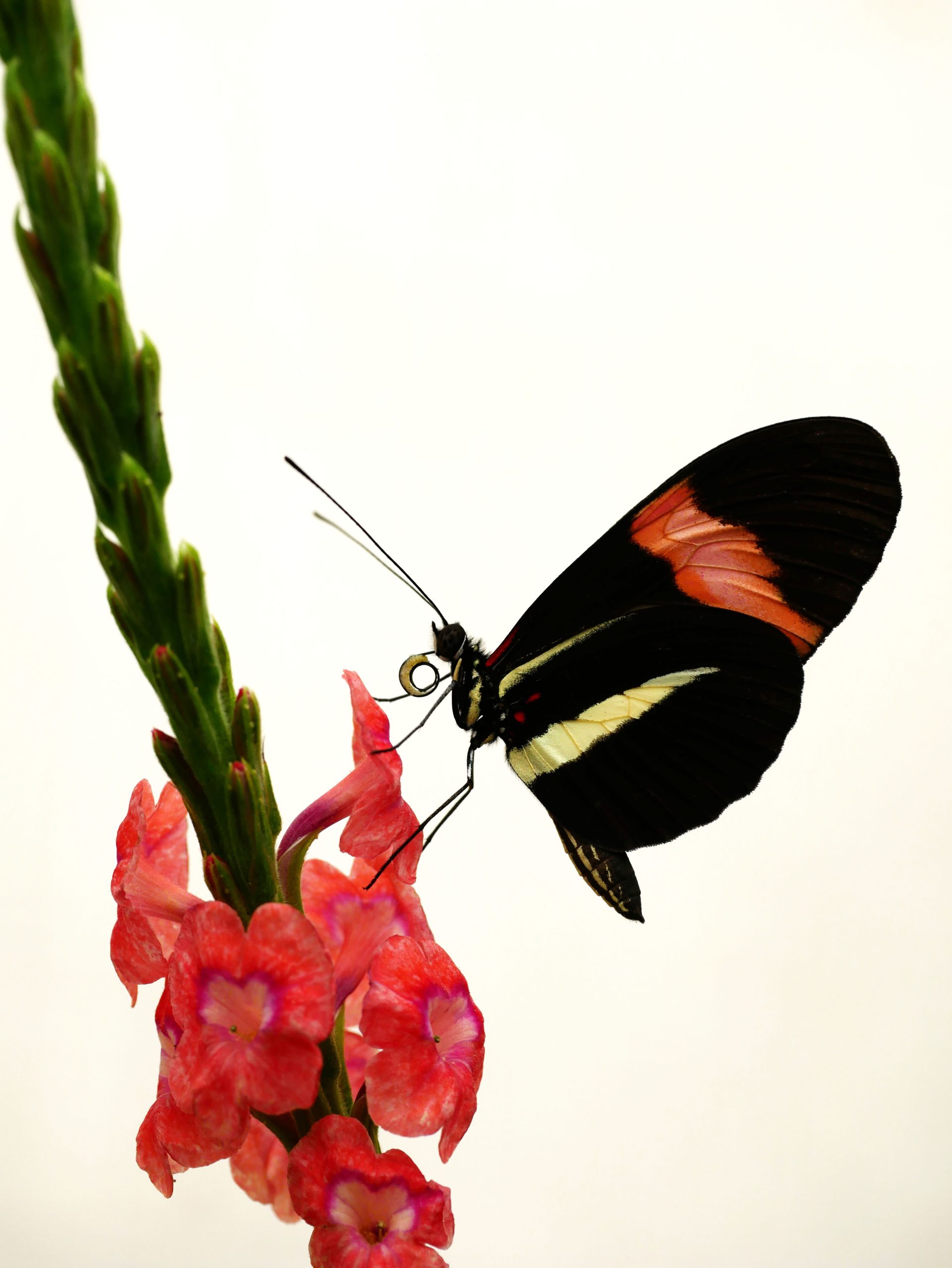
The research object belongs to the genus Heliconius. Unlike most butterflies, which rely primarily on nectar for nutrition as adults, adults of this genus also actively collect and digest pollen. This special diet has been thought to be one of the reasons for their unusually long lifespans. Some Heliconius butterflies live close to a year, while common butterflies tend to live only a few weeks.
However, a series of experiments conducted by researchers from the University of Bristol and the Smithsonian Tropical Research Institute in the UK showed that pollen cannot fully explain this longevity phenomenon. The researchers compared the pollen-eating Heliconius hecale with its non-pollen-feeding, shorter-lived relative Dryas iulia and artificially removed pollen from the former's diet. It was found that even without pollen, H. hecale still survived longer than D. iulia.
This means that the extra nutrients provided by pollen may indeed help extend lifespan, but Heliconius' longevity also involves physical and genetic characteristics that have evolved, rather than relying solely on a special diet.
What is even more surprising is that the difference between the two butterflies is not only reflected in their life span, but also in their aging rate. The researchers found that H. hecale was able to maintain body mass for a longer period of time, while D. iulia showed more pronounced physical decline with age.
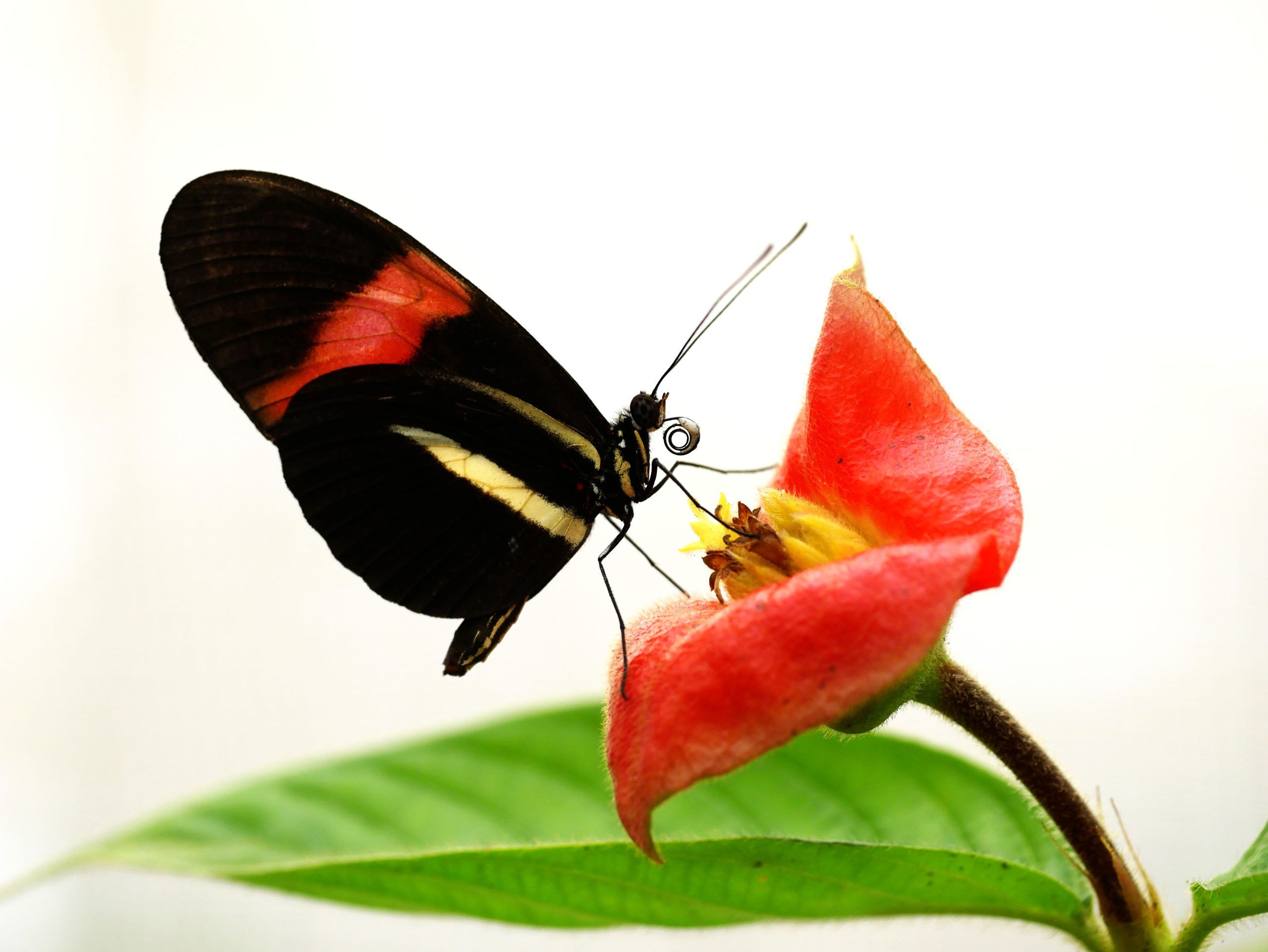
To further determine whether age affects physical function, the researchers tested the grasping strength of butterflies. The results showed that older H. hecale did not show obvious decline in grasping ability, while D. iulia gradually became weaker with age. At least based on the indicators tested by the researchers, H. hecale showed almost no significant decline in physiological performance after entering old age.
The research team then expanded the scope of their investigation to compare lifespan and aging across the entire population of Heliconiini butterflies. The researchers used a combination of butterfly house breeding records, data from wild tags and releases and recaptures, and controlled experiments in insect labs to assess the lifespan and mortality risk of different species.
The results show that Heliconius butterflies that feed on pollen not only age more slowly, but also have a lower basic mortality risk than their close relatives that do not eat pollen. This advantage is reflected in both maximum lifespan and median lifespan, which is the age at which half of the individuals in a population die.
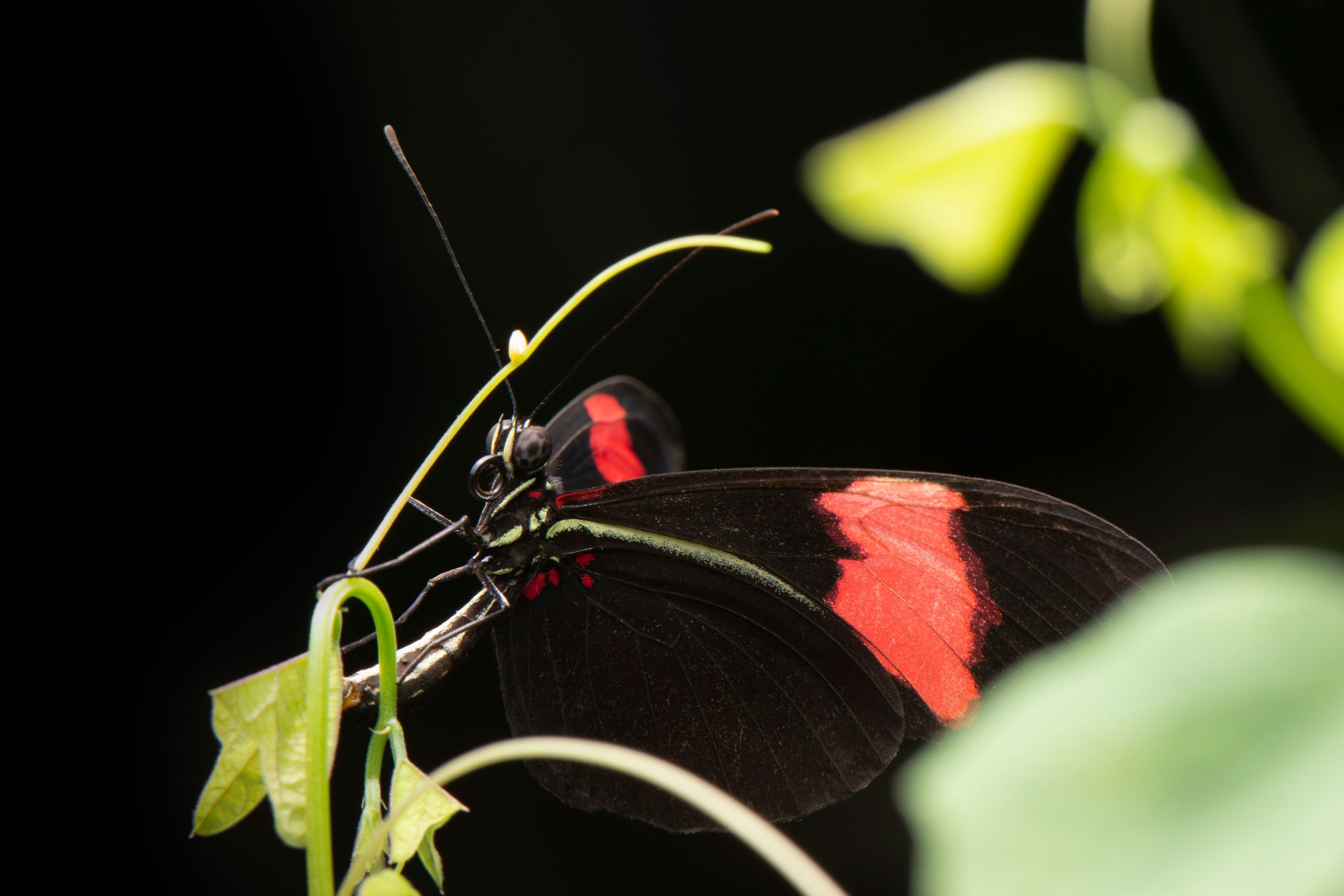
The average lifespan of some sleeve butterfly species is about three times that of close relatives, and the maximum lifespan gap is even more shocking. The longest-lived Heliconius hewitsoni in the study can live up to 348 days, while the short-lived close relative Dione juno only lives up to 14 days. The maximum lifespan of the two differs by about 25 times.
Researchers pointed out that insects themselves have extremely large life span differences. As one of the most species-rich groups of animals, the maximum lifespan of an adult insect can extend from just a few days in mayflies to decades in the reproductive classes of some ants and termites. This means that the maximum lifespan difference within insects can reach about 5,000 times, while the difference in lifespan between mammals is only about 100 times.
Jessica Foley, a researcher at the School of Biological Sciences at the University of Bristol, said that what is really special about sleeve butterflies is not just that they live longer, but that they seem to have evolved both a longer lifespan and a slower aging rate. More importantly, these butterflies have not separated from their shorter-lived relatives for a short period of time in evolutionary history, so the huge lifespan difference between the two provides a natural comparative experiment for studying the mechanisms of aging.
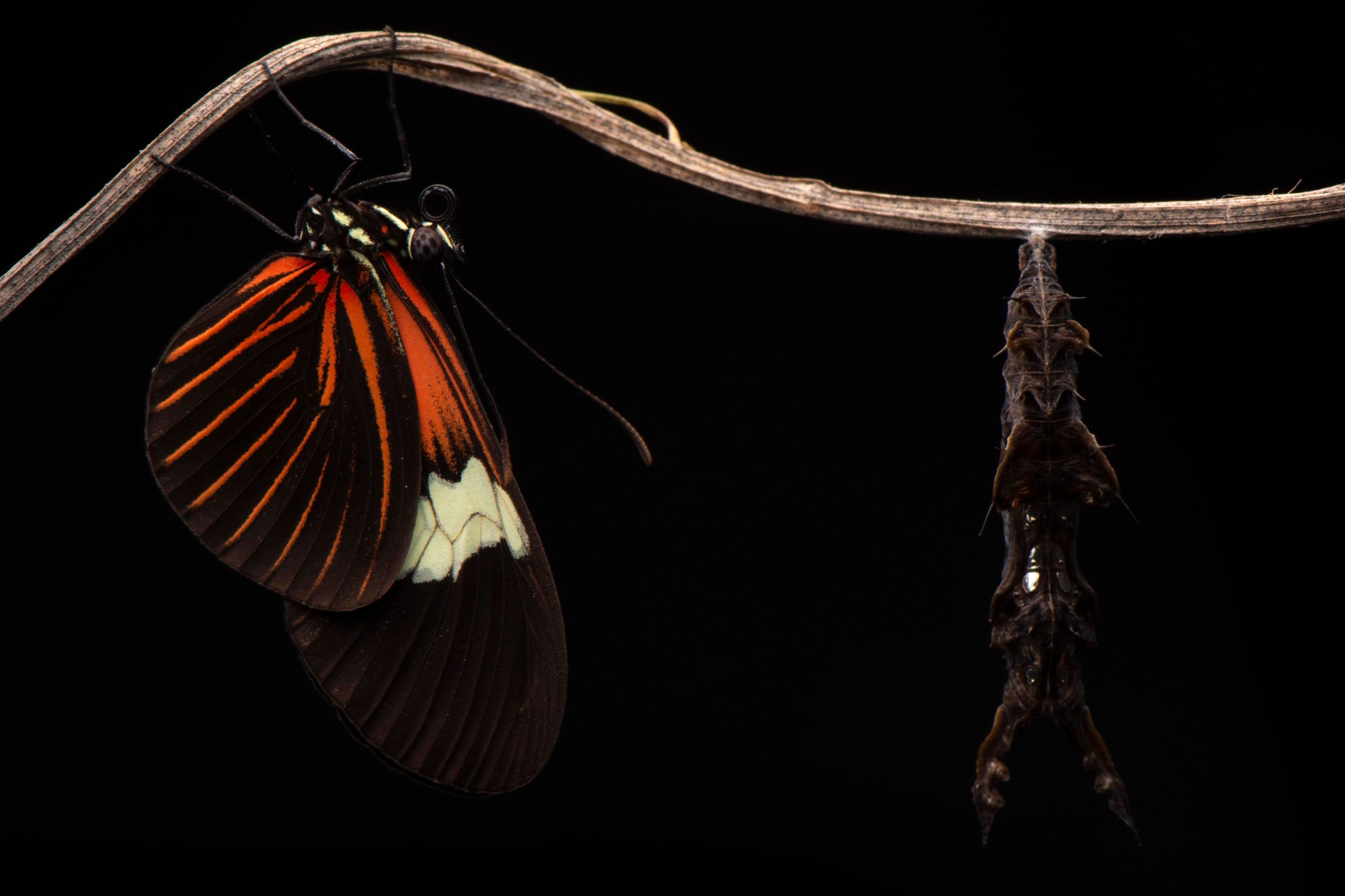
The research team believes that this special evolutionary phenomenon may provide important clues for understanding why animals age and how life span is extended. By comparing long-lived sleeve butterflies with shorter-lived, closely related species, scientists can search for physiological mechanisms associated with slow aging and longevity, thereby further understanding the biology behind extended lifespan.
Currently, this research does not show that the Sleeve Butterfly truly achieves "never aging" in the sense of the word. What the scientists observed was that some long-lived butterflies showed very limited physiological decline with age in measured indicators such as body mass and grasping ability. Exactly which genes, metabolic mechanisms or cellular processes allow them to maintain this state requires further study.
The research results were published in the journal Nature Communications. Researchers hope that these tropical butterflies, which have unusually long lifespans and age slowly, can become new animal models for studying the mechanisms of aging and longevity, and help scientists further search for key factors that determine animal lifespan.
Comments