
Abstract:
A new biological study shows that a mother's age at the time of childbirth may leave biological imprints in her offspring that last for multiple generations, affecting their physical characteristics, lifespan and behavioral performance. The researchers believe that this effect is likely not due to changes in the DNA itself, but is related to a reversible epigenetic mechanism.
The scientific community calls this phenomenon the "maternal age effect." Researchers have observed similar phenomena in everything from invertebrates to humans, elephants and other mammals. There is abundant evidence that older mothers tend to make offspring more susceptible to certain adverse effects, but the biological mechanisms behind this phenomenon have long been unclear.
The US Marine Biological Laboratory research team pointed out that almost all life forms will show maternal age effects to varying degrees, and most of these effects are related to advanced age fertility. However, scientists have struggled to explain how these effects are passed from one parent to the next, and why evolution has not eliminated these phenomena.
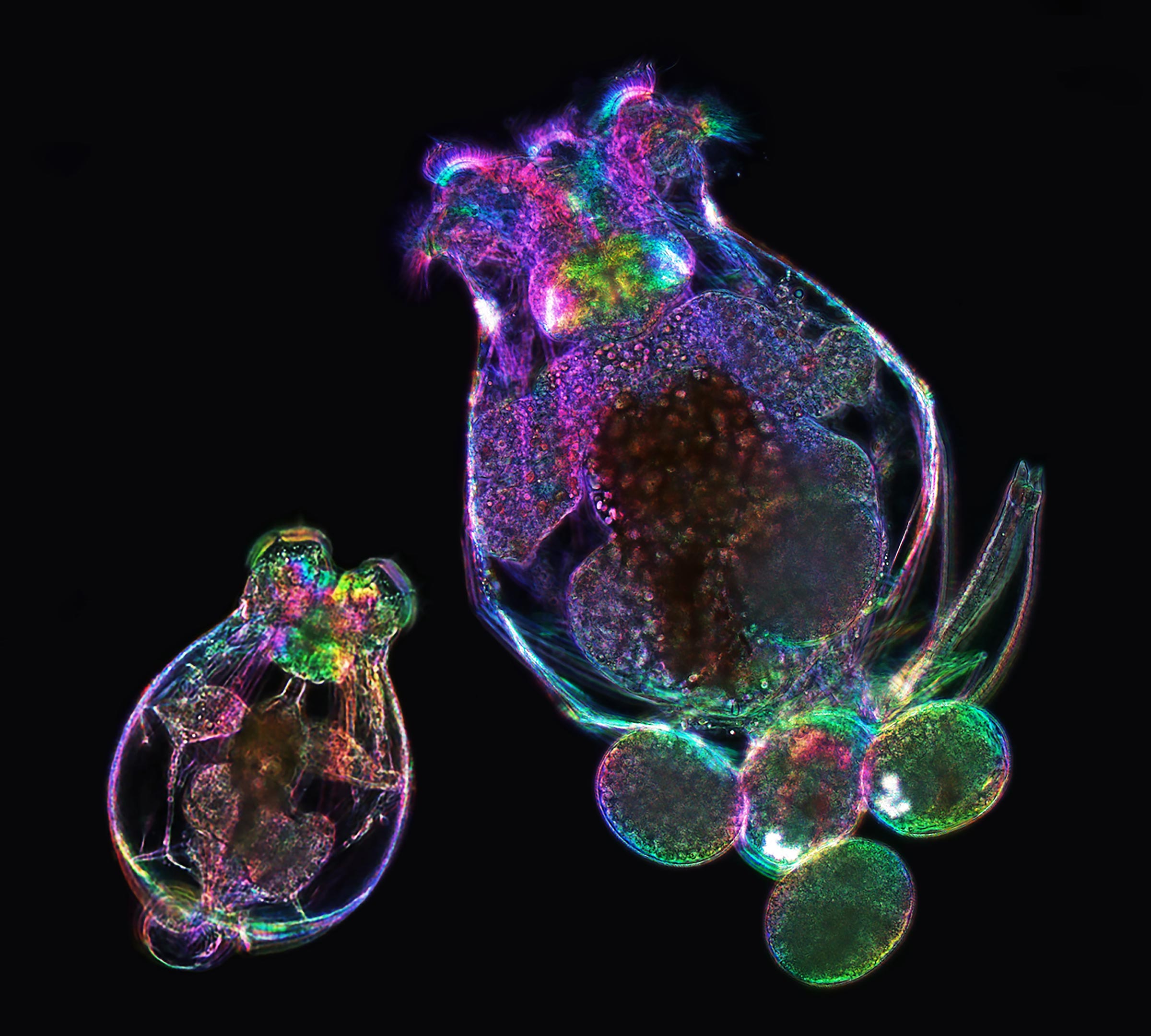
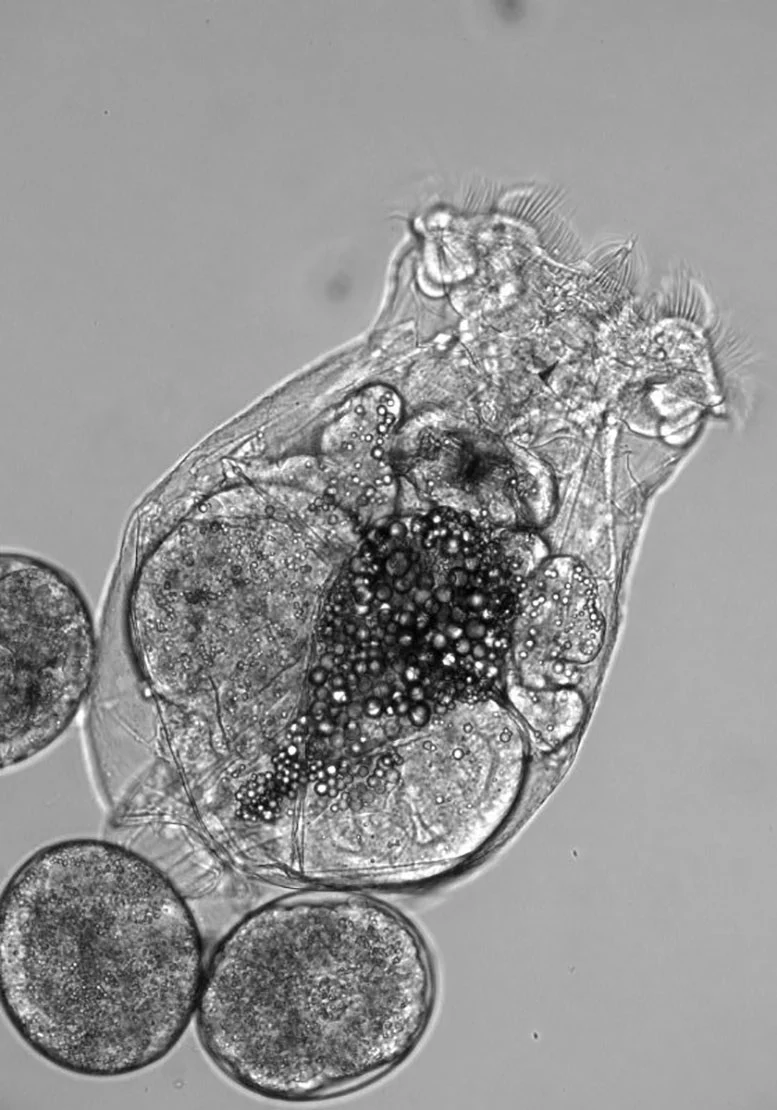
To find answers, the research team turned to tiny aquatic animals called rotifers. Rotifers' short life cycles and rapid reproduction allow researchers to observe multiple generations in a short period of time, making them an ideal model for studying cross-generational biological effects.
In the experiment, the researchers compared two different genotype populations of the same rotifer species and tracked the effects of maternal age on offspring and subsequent generations. The results show that these effects will not accumulate and increase with the replacement of generations, but may disappear completely within just one generation.
The discovery surprised the researchers. Because if the maternal age effect mainly comes from accumulated cell damage or DNA mutations during the aging process, then the related effects should theoretically persist or even gradually increase, and should not be reversed so quickly.
Based on this result, the research team began to suspect that the effect transmission mechanism may belong to the category of epigenetics. The so-called epigenetic mechanism refers to affecting biological traits by regulating the on or off state of genes without changing the DNA sequence itself. The researchers believe that one possible mechanism is "histone modification," a process that controls whether specific genes are activated and expressed.
Currently, the research team is further verifying whether histone modification is the main transmission pathway of maternal age effects. At the same time, they are also investigating another possibility, namely whether mitochondrial DNA is involved in this process. Since mitochondrial DNA is mainly inherited from mothers to offspring, it may play a role in conveying maternal age information.
The study also found that genetic background may affect the specific expression of maternal age effects. In rotifer populations of different genotypes, the same change in maternal age can sometimes lead to completely different results. In some groups, the offspring of older mothers perform worse; in other groups, the offspring of older mothers live longer or have better reproductive performance.
This phenomenon shows that the impact of maternal age is not absolutely negative. The final result may depend on the genetic variation carried by the individual and the adaptive mechanism formed during long-term evolution. Researchers believe that there may be some genetic variants in nature that can reduce or even offset the adverse effects of childbearing at an advanced age.
The research team stated that although this study used a simple invertebrate animal model, the mechanism revealed is expected to help scientists gain a deeper understanding of similar phenomena in humans. If it is confirmed in the future that maternal age effects are mainly driven by epigenetic factors, then these effects are theoretically reversible and will also provide new directions for studying aging, fertility, and transgenerational health issues.
Scientists believe that the important message from this study is that the genetic information left by parents to their offspring may not only come from the DNA sequence itself. The mother's life stage and physiological state may also affect the life trajectory of future generations in a more complex and dynamic way.
Comments