
Abstract:
Amidst the complex predatory strategies in nature, the intelligence and behavioral diversity of marine mammals have once again refreshed human understanding. A marine biology observation recently recorded in an international academic journal shows that researchers observed a bottlenose dolphin named "Bubbles" in the wild exhibiting a special predatory behavior that has never been seen before - it can use specific physical forcing methods to prompt other fish to spit out their stomach contents, and then easily snatch the spit out food.
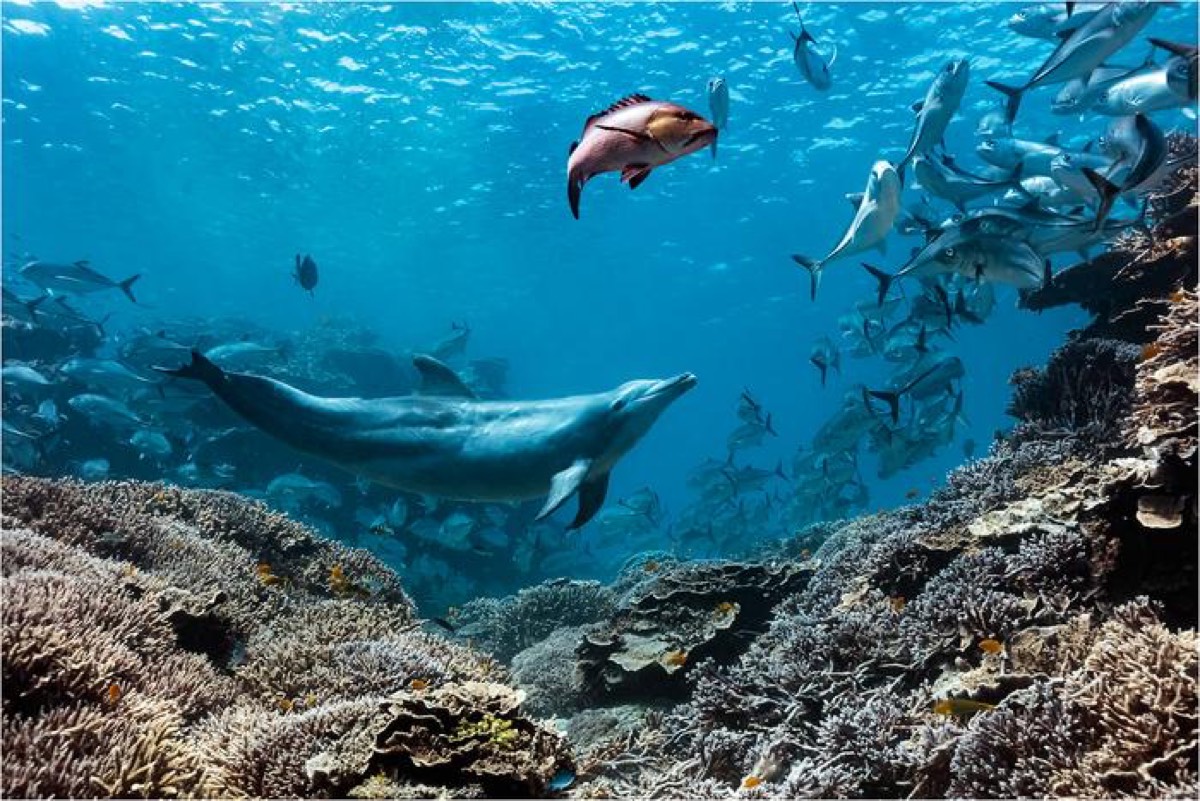
This rare behavioral phenomenon was first recorded by marine biologists during long-term tracking and monitoring of dolphin groups in specific sea areas. Observation images and on-site videos show that after the dolphin named "Bubble" locked on the target fish that had swallowed small prey, it was not eager to swallow it whole. Instead, it used its agile skills to repeatedly chase, drive or even slightly hit it in the water. Under this kind of continuous physical pressure and stress stimulation, the victim fish will eventually develop a vomiting reaction and vomit out the food that it has just digested or not yet digested.
Once the target fish vomits out the food in its stomach, "Bubble" will quickly take it into its belly, lose interest in the fish that is forced to vomit, and let it swim away. The researchers pointed out that this "forced vomiting and feeding" strategy is extremely rare among marine animals. It not only demonstrates the profound utilization of the physiological stress response of other species by dolphins, but also reflects extremely complex behavioral control and energy considerations. Compared with the physical energy required to directly hunt large target fish, forcing the fish to vomit out easily digestible food is obviously a shortcut to ingestion with a very high energy return.
Experts in behavioral ecology believe that dolphins, as highly intelligent marine species with strong social learning capabilities, often develop innovative hunting techniques in specific individuals. If this "forced vomiting and feeding" behavior spreads within the dolphin group through observation and imitation, it may evolve into a unique cultural behavior pattern for that specific group. This discovery not only enriches human understanding of the diversity of dolphin feeding behaviors, but also provides a new perspective for studying the complex ecological interactions between the ocean's top predators and surrounding fish communities.
Comments