
Abstract:
An ancient animal fossil dating back about 560 million years was recently discovered in an ordinary sheep farm in the Arctic region of Norway. Researchers believe that this fossil belongs to Charnia, a strange creature from the Ediacaran Period, and is one of the oldest three-dimensionally preserved animal fossils currently known. This discovery is not only the first confirmed discovery of Charnia in Scandinavia, but also the first such important new fossil site discovered in Europe in decades.
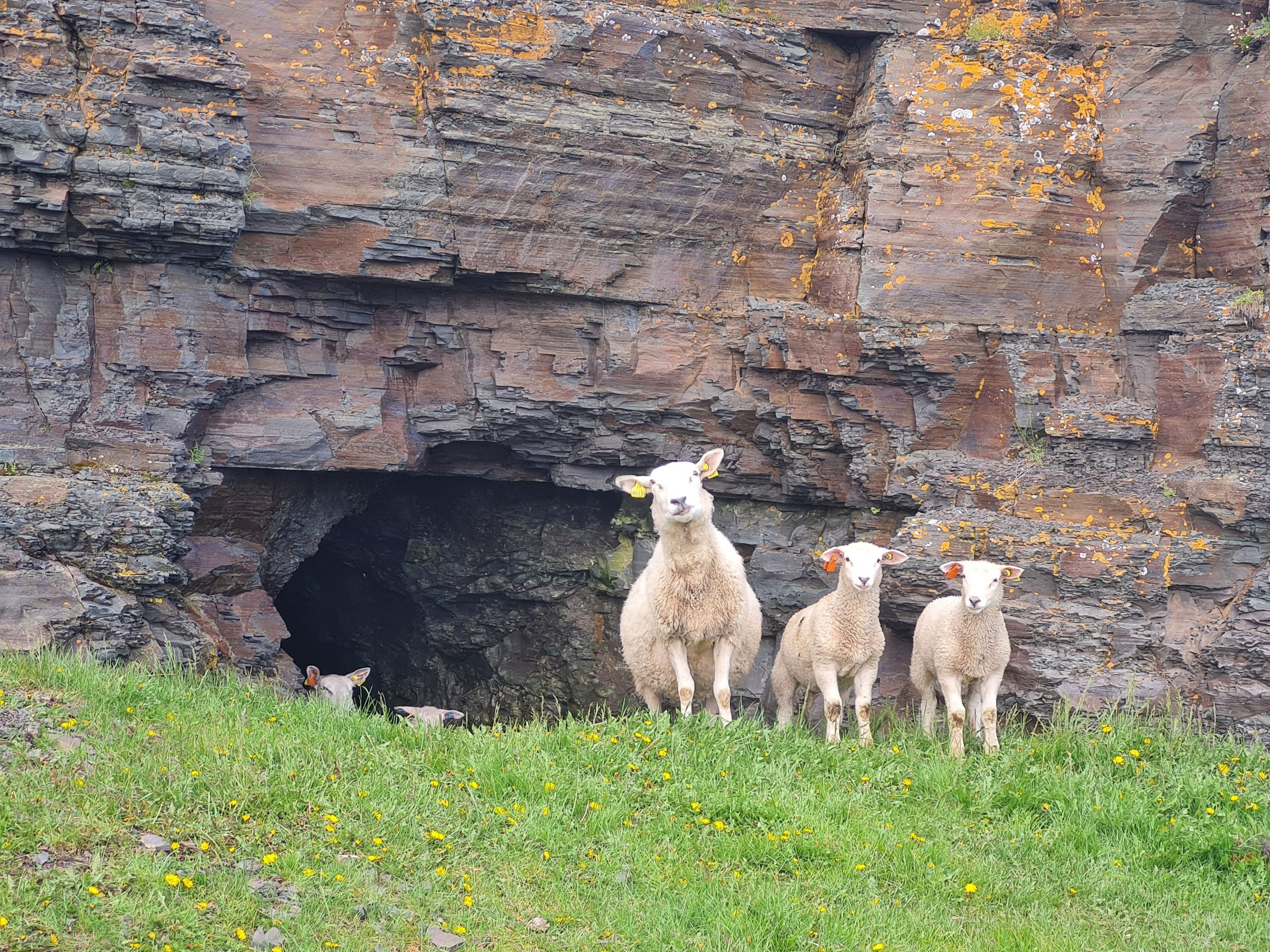
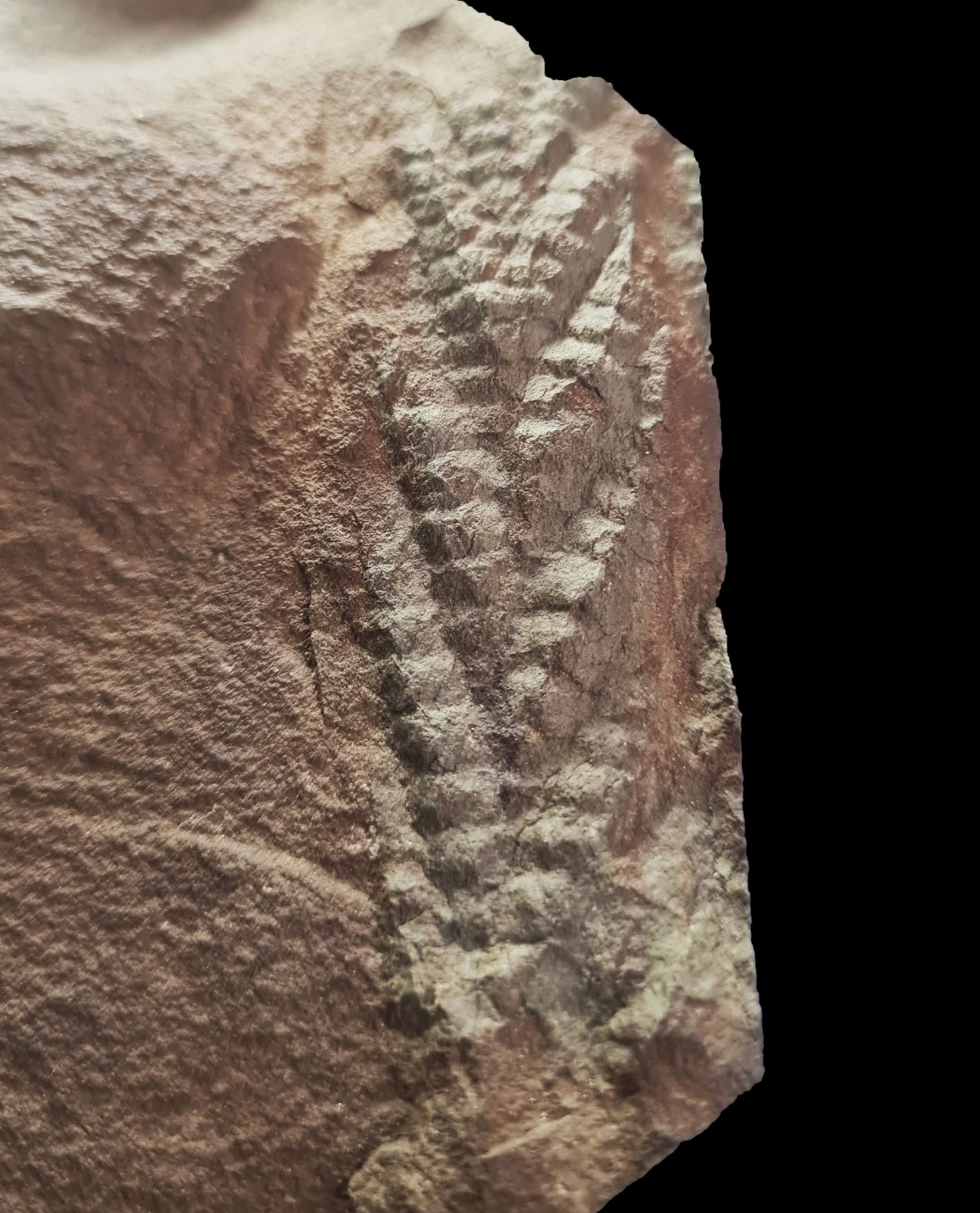
The discovery of this fossil was quite accidental. During an expedition in Finnmark, Norway's Arctic region, researchers discovered that some rocks that had rolled down a cliff broke apart naturally in a sheep pasture, revealing fossils preserved inside. The rock cracks, revealing a fern-like creature. It lived during the Ediacaran period about 560 million years ago and is considered to be one of the earliest animals on earth.
Previously, traces of some ancient creatures attached or fixed to the seabed have been found in rocks near Finnmark, but no fossils of these creatures themselves have been found. The unexpectedly broken rocks in the sheep pasture exposed a richer fossil record, proving that this area once preserved an important Ediacaran ecosystem.
The Ediacaran Period lasted from about 635 million years ago to 539 million years ago. It was an important period when complex life began to appear on the earth. The creatures of this period were very different from those familiar today, and the rock formations themselves that preserve fossils are not extensive, so the Ediacaran fossils scientists currently have come mainly from a few well-known sites. New fossil origins are very rare, which is an important reason why the Finnmark discovery has received so much attention.
Although Chania looks like a fern, it is not actually a plant. It is an early animal with a soft body and a very special structure. It does not even have an obvious mouth, organs or structures that can actively move. Researchers believe that it is more like a soft "bag" filled with gelatinous material, which is fixed on the seabed for a long time.
Such soft-bodied creatures bring huge difficulties to fossil preservation. During the Ediacaran period, many creatures had not evolved hard bones or shells, so they could easily decay or be destroyed after death. A large number of existing Ediacaran fossils are actually just flattened impressions left by organisms covered by sediments, and their original three-dimensional structures have long since disappeared.
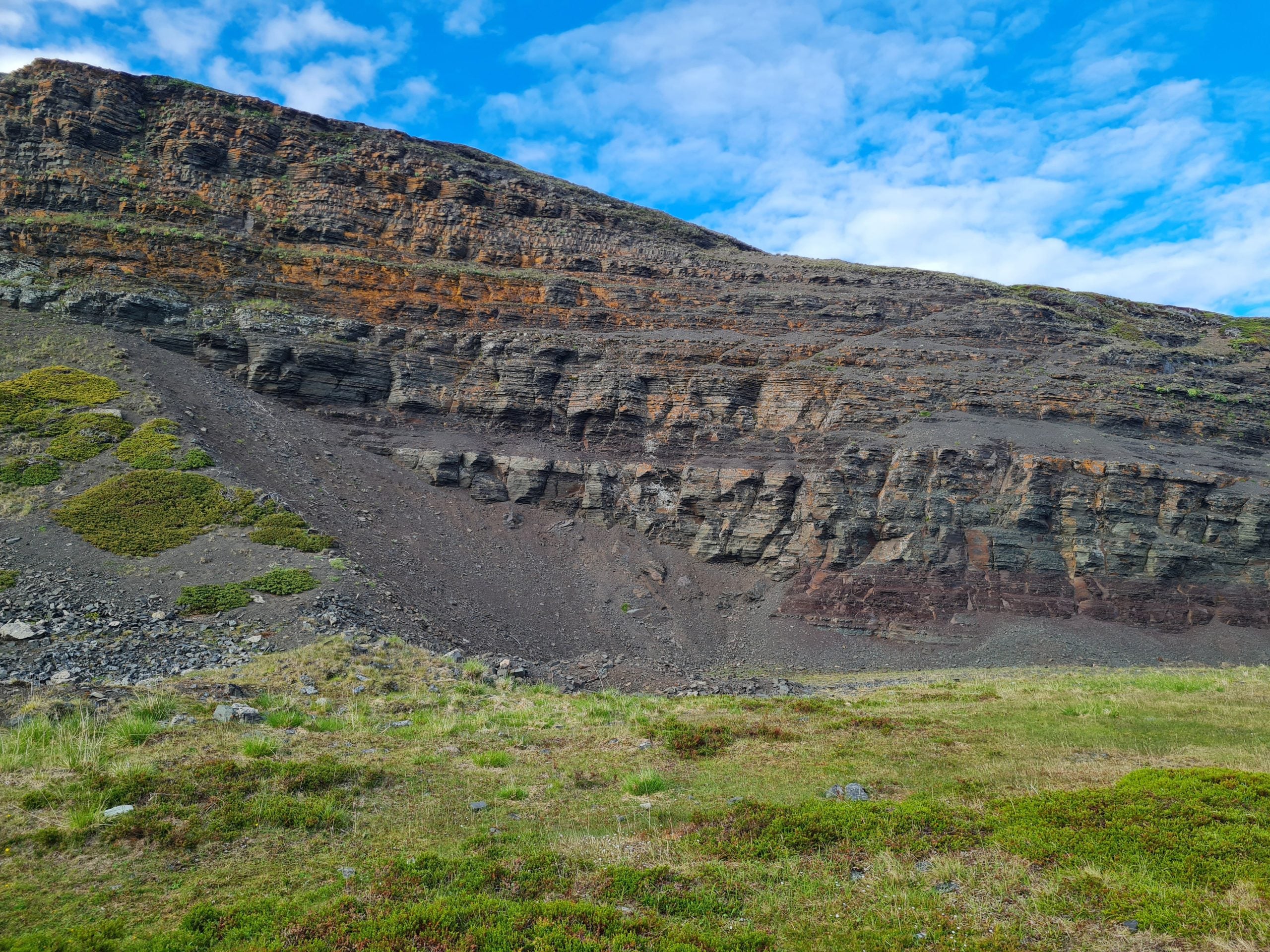
The Chania fossil in Finnmark underwent a completely different preservation process. Researchers speculate that an underwater landslide or similar sedimentation event occurred on the seafloor, and Chania was quickly swept up and buried. A large amount of sediment quickly entered and surrounded its soft body, preserving its original three-dimensional shape.
This type of preservation is extremely rare, especially for a soft-bodied creature that dates back 560 million years. Because the fossil was not completely squashed like typical Ediacaran fossils, the researchers were able to observe details previously undetectable in two-dimensional fossils.
The research team discovered some small raised structures on each branch structure of Chania that were not obvious before. These structures are called "keel-like structures." The researchers believe that the three-dimensional state of preservation allows these details to be revealed and allows scientists to re-understand the body structure of this early animal.
Jorick Finma, first author of the paper and from the Department of Earth Sciences at the University of Cambridge, said that when the same species is preserved in different ways, researchers are often able to discover physical features that were not noticed in the past. This discovery is a classic example of this.
The fossil site is also important because it changed scientists' understanding of the range of Ediacaran animals. Ediacaran fossils have been found in many areas of the world before, but these locations were relatively concentrated. New findings from Finnmark suggest that the earliest animals may have been more widespread than the current fossil record suggests.
Researchers believe that there may be many similar fossil sites on Earth that have not yet been discovered. Because past paleontological research has tended to focus on well-known locations where fossils have been demonstrated, many unfamiliar areas have rarely been systematically investigated, and the discovery in Finnmark shows that these areas may also hide important evidence of early life.
The researchers also discovered other components of ancient ecosystems surrounding the Chania fossils. This means the site may have preserved not just one creature, but a community of early marine life that scientists had previously barely understood.
Neil Davis, a researcher at the University of Cambridge, said that the local area may preserve an early biological community that has not yet been discovered, and there may be some life forms with strange shapes that are even difficult to correspond to other known organisms, such as creatures with umbrella-like structures and other strange creatures that have not been recorded in the past.
The research team hopes to continue investigating the Finnmark region and search for more fossils preserved in the same strata. If subsequent discoveries are further confirmed, the rock formations near the sheep farm may become an important new site for studying the evolution of life in the Ediacaran period.
The results of this research have been published in the journal "Paleontology". Researchers said that Finnmark's discovery not only allowed scientists to obtain a rare three-dimensional early animal fossil, but also reminded people that there are still many gaps in the fossil record of the earliest complex life on earth, and some seemingly ordinary, or even long-unnoticed rocks may still hide important evidence of life hundreds of millions of years ago.
Comments