
Abstract:
A latest study covering six continents around the world found that after grasslands experience farming, agricultural development or other human disturbances, even if the disturbance is stopped and natural recovery occurs for hundreds of years, plant communities may not be able to re-form exactly the same as the original grasslands. Researchers analyzed 742 plant species around the world and found that recovering secondary grasslands are often more likely to be occupied by fast-growing, taller plants, while ancient grasslands that have never been cultivated are more composed of slow-growing, long-lived perennial plants that can withstand drought, fire and herbivores.
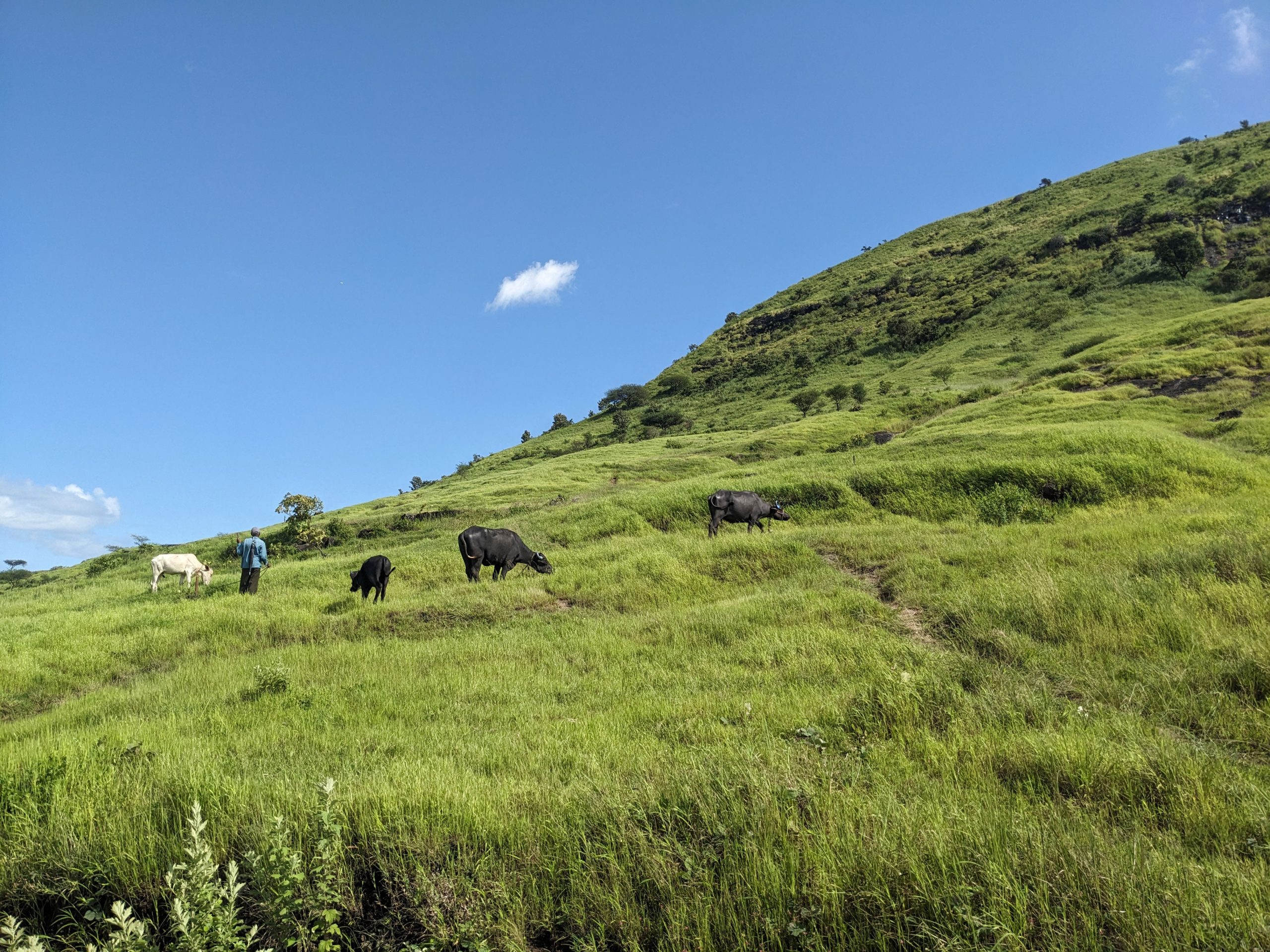
This study was completed by researchers from Michigan State University and other institutions in the United States, and the results were published in the Proceedings of the National Academy of Sciences. The study shows that no matter which continent the study subjects come from or how different the climate conditions are, there are quite consistent differences in plant traits between ancient grasslands and secondary grasslands that have recovered after being disturbed.
The scientific community has previously known that plant diversity may take decades or longer to recover after grasslands are destroyed by farming, and some original plants cannot reappear even after hundreds of years, the researchers pointed out. The new study further explains why grasslands that appear to have regrown with vegetation may still not have truly returned to their original ecological state.
Research has found that when ancient grasslands are plowed or converted into farmland, the perennial plants that are most likely to disappear are those that grow slowly, have long lives and have tough leaves. Although these plants grow slowly, they are well-suited for long-term survival and can withstand high-stress environments such as drought, fire, and herbivores.
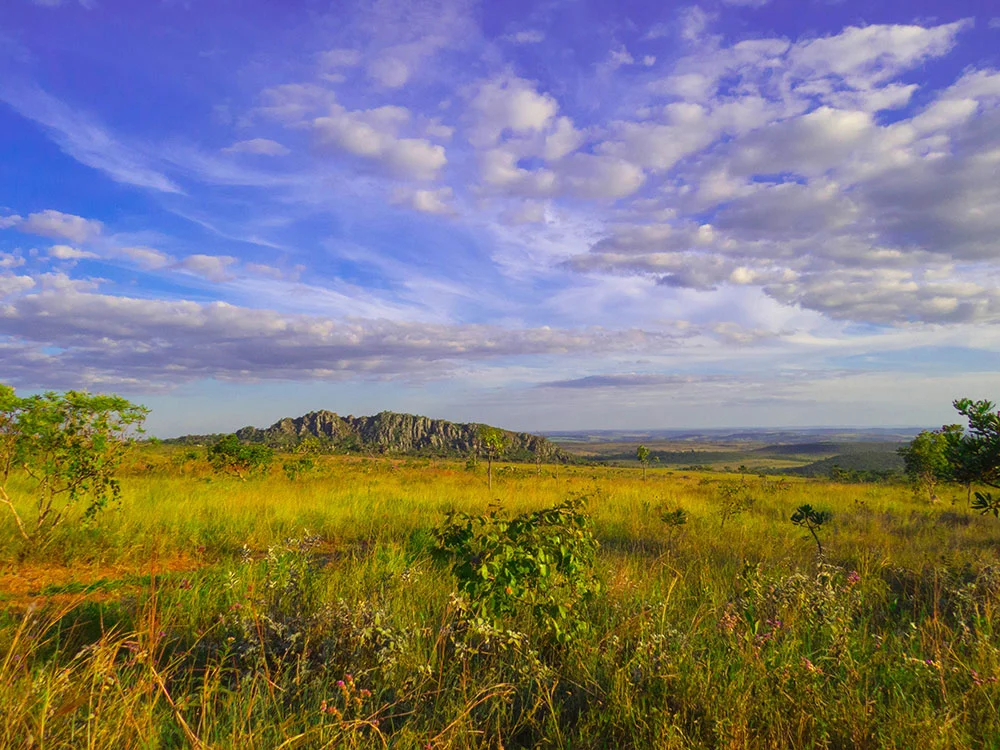
However, when the grassland is completely disturbed, the original advantages of these plants will turn into disadvantages. Because they grow slowly, it is difficult to compete for resources with plants that can grow and reproduce quickly in the competitive environment after land destruction.
As a result, restoring grasslands are often first colonized by another type of plant. These plants grow faster, reproduce more quickly, and are efficient at obtaining water, nutrients, and sunlight. Not only can they quickly colonize disturbed land, they can also quickly form new populations through short reproductive cycles.
The differences are even reflected in the height of the plants, the researchers found. Plants in secondary grasslands tend to grow taller than in ancient grasslands because taller plants gain an advantage in competing for sunlight. Once these plants reproduce, the next generation inherits similar growth characteristics, allowing the plant community structure to continue.
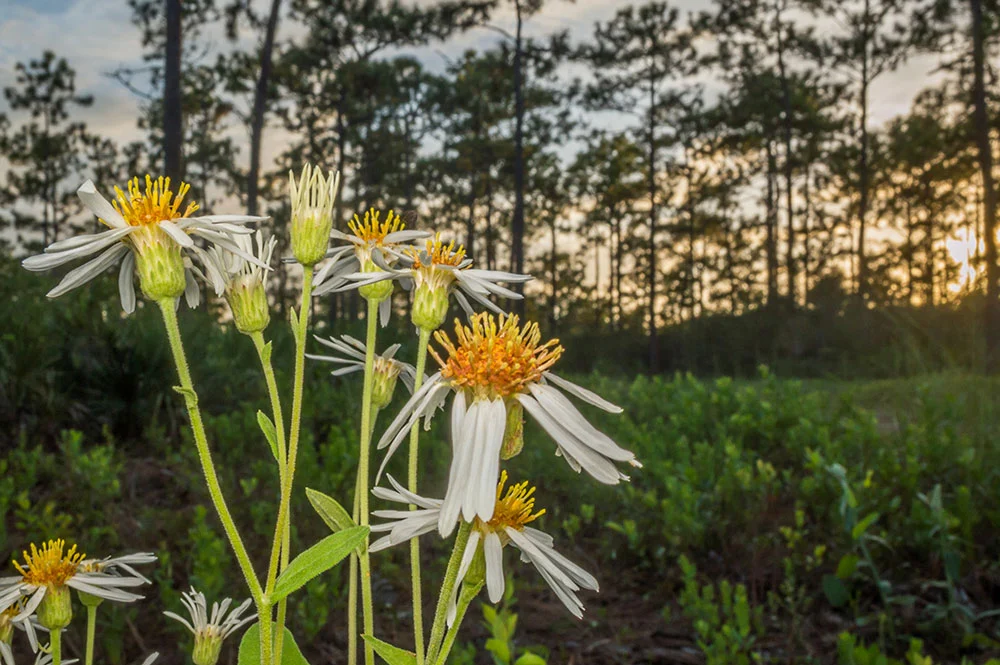
The differences in specific plants are also very obvious. For example, Stipa stricto, common in the pine steppes of the southeastern United States, is a highly drought-tolerant perennial plant that has survival strategies typical of ancient grassland plants, but is not a major feature of secondary grasslands. In contrast, recovering grasslands are more likely to have fast-reproducing annuals such as pigweed, which quickly utilize water and nutrients in the soil.
What’s even more surprising is that this difference can last for a very long time. In some cases studied, even after 300 years of restoration, the plants in the secondary grasslands were still taller than their ancient counterparts. This means that just because an ecosystem has seemingly regrown vegetation does not mean it has regained its original biological characteristics.
This discovery is important for understanding grassland ecosystems, because grasslands are not simply "land without trees." Widespread plant root systems reduce surface runoff and soil erosion, while grasslands store about one-third of terrestrial carbon. Grasslands are also important habitats for a large number of wildlife and livestock, from bison in North America to wildebeests in Africa and great bustards in Asia, all of which rely on different types of grassland ecosystems.
Grasslands cover nearly a quarter of the Earth’s land area and directly or indirectly support the livelihoods of more than 1 billion people. The Eurasian continent stretches from Hungary to China, with a total length of about 5,000 miles, including the Eurasian steppe, the North American Great Plains, and the African savanna, all of which are important components of this ecosystem.
Over the past two centuries, however, much of the ancient grassland has been converted into farmland, plantations, and urban development. Brazil's Cerrado is one of the world's most biodiverse savannas, but it loses an area the size of London every three months due to pressure from agricultural development. One study estimates that the area of savanna in India dropped from about 100 million acres in 1880 to about 60 million acres in 2010, and the area of historical grasslands preserved in North America is less than half of its original area.
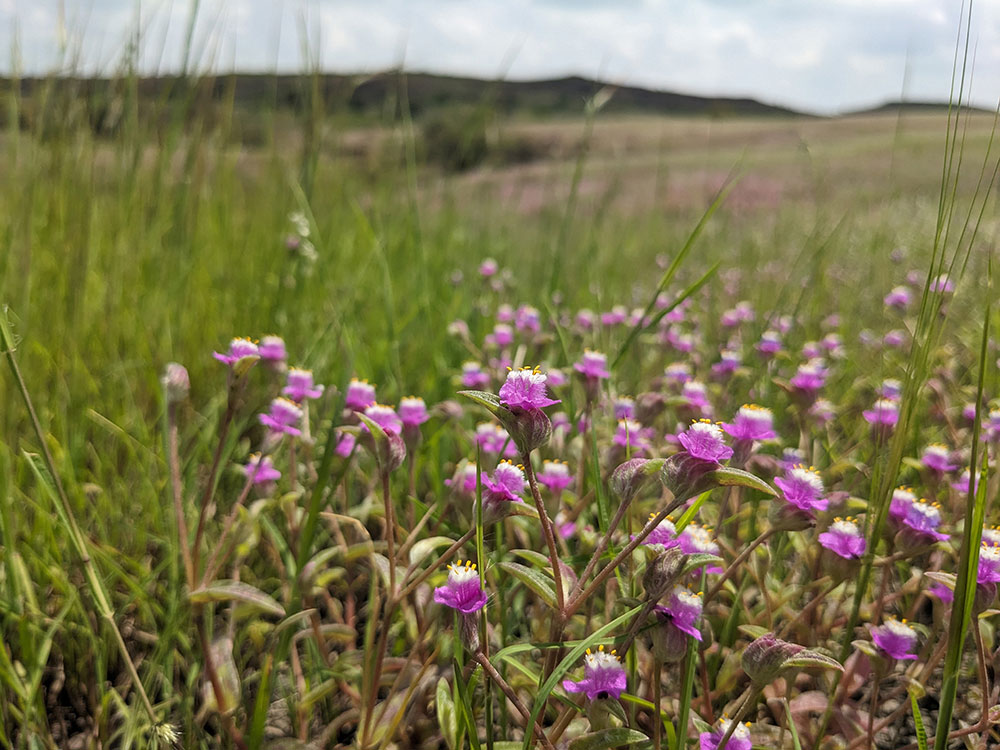
Meanwhile, millions of acres of farmland are being abandoned around the world, creating opportunities for secondary grasslands to regenerate. Therefore, a question that has received increasing attention is: if grass grows back on farmland, will the original ecosystem return?
The answer given by this study is that, at least in terms of the composition and characteristics of plant communities, the answer is often no. Secondary grasslands can re-form green vegetation, but the dominant plants may have undergone long-term changes, and some unique or representative plants in the original grasslands may still not have returned.
Researchers are not yet sure how much these plant community differences will affect other functions of the ecosystem. For example, whether secondary grasslands can absorb carbon dioxide from the atmosphere with the same efficiency as ancient grasslands, or whether they can cycle nutrients in the same way, requires further study.
However, these findings have had a direct impact on grassland ecological restoration work. If you simply stop farming the farmland and wait for natural recovery, the resulting plant community may not automatically return to the state before the disturbance. The researchers therefore believe that if the goal is not just to regrow the land with grass, but to restore an ecosystem with similar functions and plant composition to the ancient grasslands, then humans may need to be more actively involved, such as spreading native plant seeds, transplanting specific plants, etc.
At the same time, researchers stress that protecting existing ancient grasslands may be more important than restoring them afterward. Because once a native grassland that took hundreds of years or more to form disappears, it cannot be quickly restored by simply stopping farming. For these ecosystems, "regrowing plants" and "really restoring the original ecosystem" are two completely different processes.
Comments