
Abstract:
As Microsoft continues to advance its Windows 11 popularization plan,
A commentary article that has triggered widespread discussion
Once again, the stability differences between Windows 10 and Windows 11 have been brought to the forefront. The author of the article believes that Microsoft's series of update events in recent years show that Windows 10, which is nearing the end of its life cycle, has shown a more mature and stable performance than Windows 11.
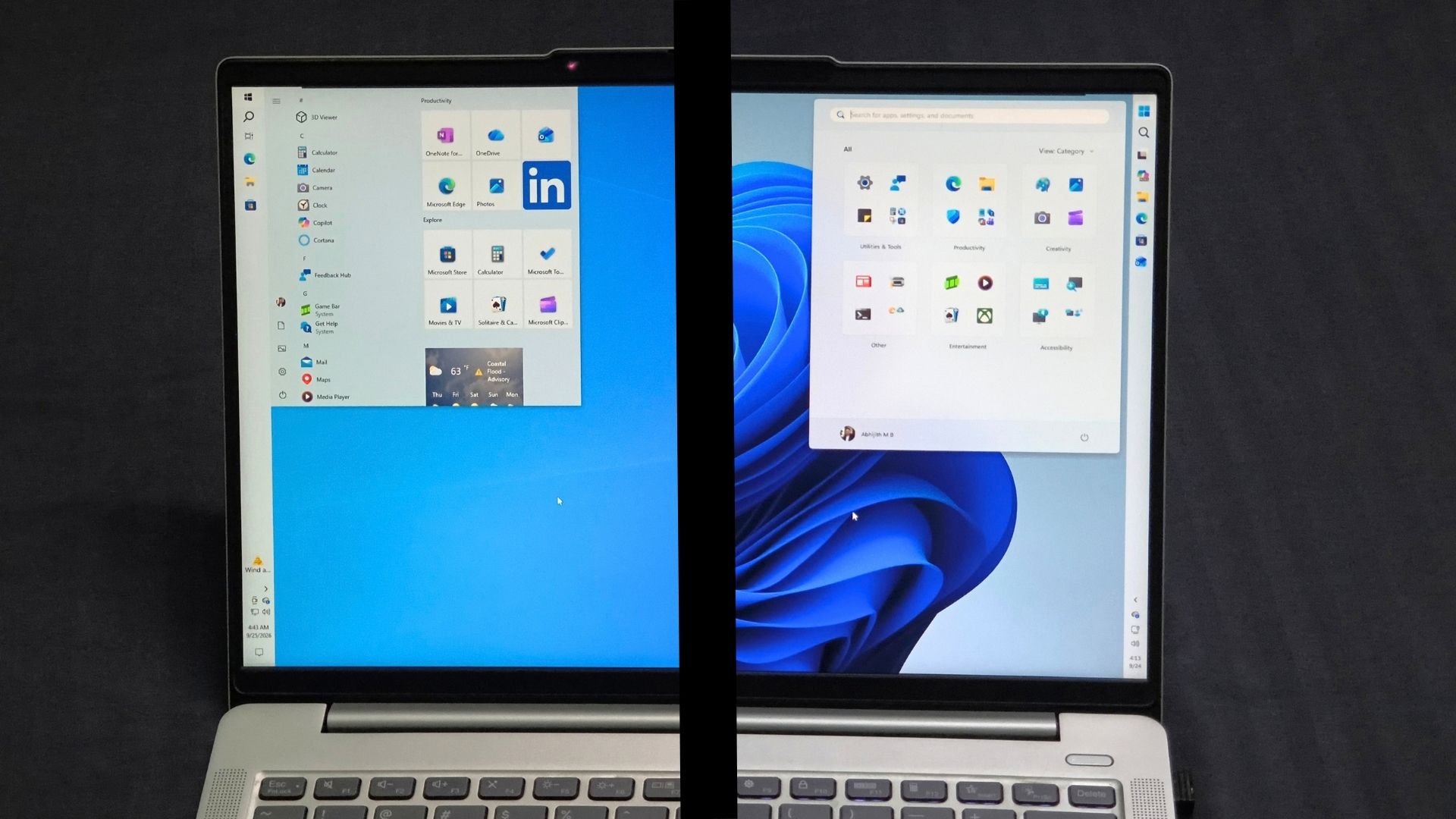
Since its release, Windows 11 has been carrying Microsoft's mission of promoting the transformation of the next generation Windows platform. From interface design, artificial intelligence functions to the underlying system architecture, Microsoft continues to add new features to it. However, frequent feature updates also bring ongoing compatibility and stability challenges.
In contrast, after years of iteration, the core functional framework of Windows 10 has long been finalized. As Microsoft makes fewer and fewer modifications to it, the overall status of the system tends to be stable. Many enterprise users and ordinary users said that in daily office, gaming and productivity scenarios, the frequency of abnormal situations in Windows 10 is significantly lower than that in Windows 11.
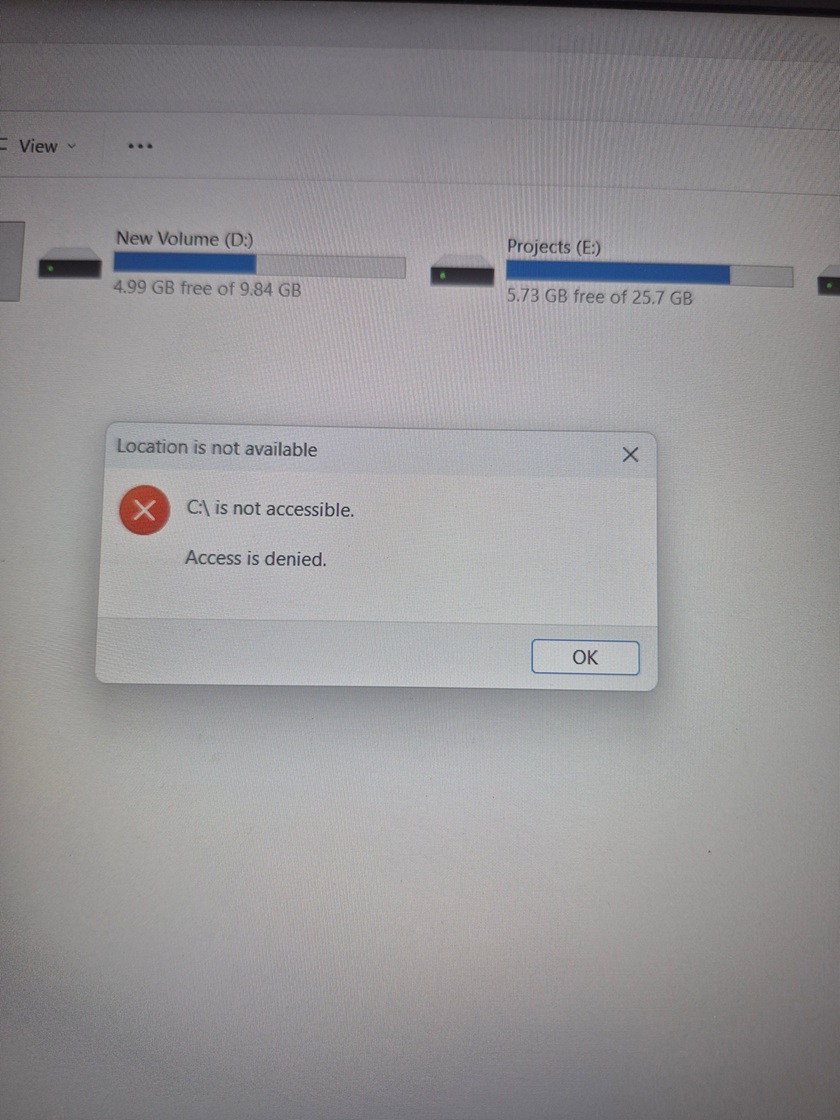
In the past period of time, Windows 11 has been criticized by users many times due to update issues. These include file explorer abnormalities, taskbar function failures, start menu issues, driver compatibility conflicts, and performance fluctuations caused by some updates. Although Microsoft usually fixes these problems in subsequent patches, many users believe that this cycle of "fixing one problem and causing another problem" has gone on for too long.
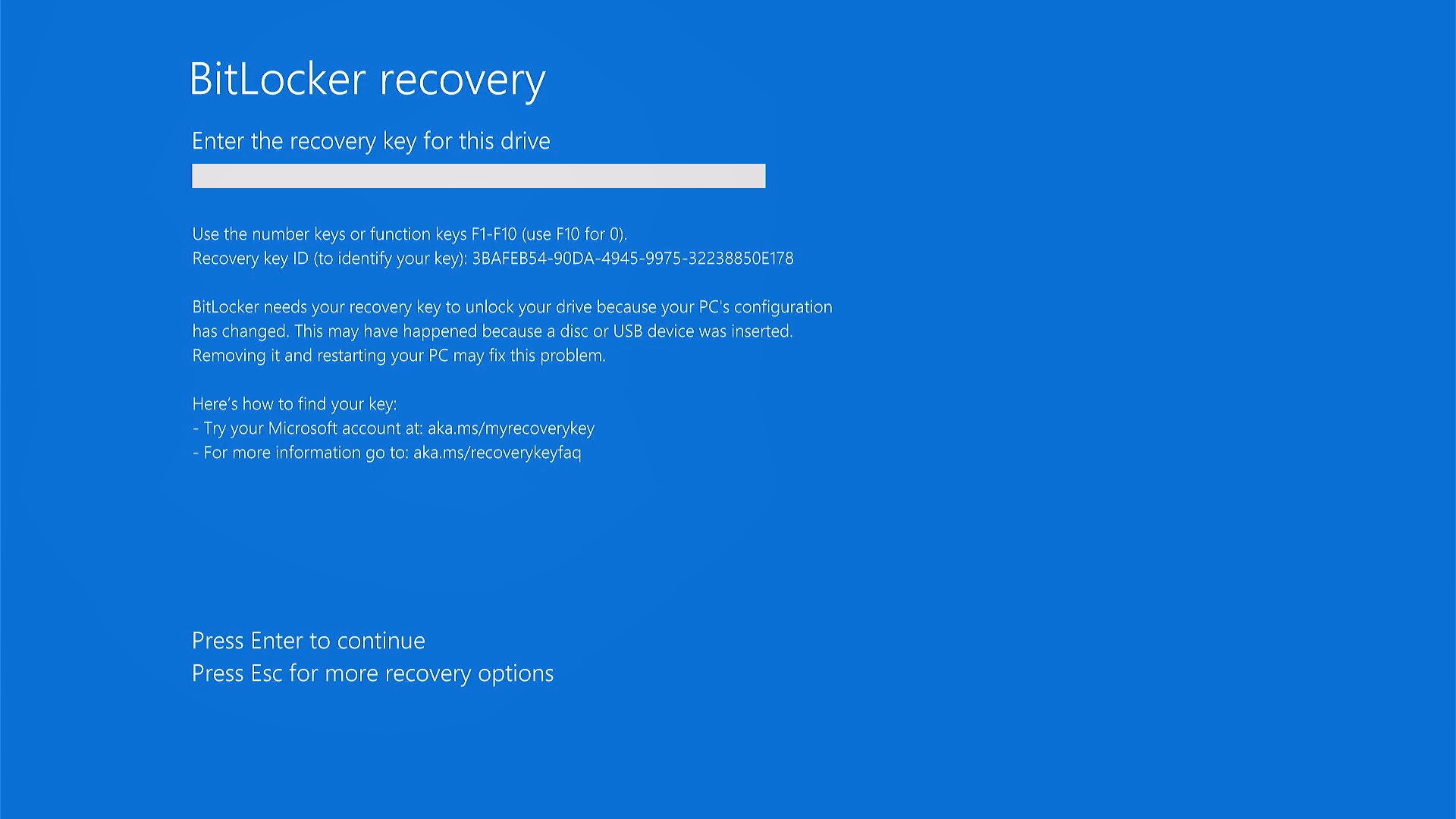
A real dilemma currently facing Windows 11 is that Microsoft hopes to continue to add new features, but must also maintain the compatibility of the huge hardware ecosystem. In an environment with tens of thousands of hardware combinations, every major adjustment may cause unexpected new problems.
Meanwhile, Windows 10 benefits from a relatively static development status. Most of the functions have been verified for many years, and the driver ecosystem and software compatibility have also reached a very mature level. Therefore, Windows 10 is still quite attractive for users who pursue stability.
Microsoft has vigorously promoted Copilot, AI functions and various modern design improvements in recent years, but these new features are not needed by all users. Some users care more about whether the system runs reliably than how many new features it has. In this case, mature platforms are more likely to receive favorable reviews.
Of course Windows 11 is not without its advantages. The new system has a more modern user interface, better security mechanisms, better AI integration capabilities, and the guarantee of continuous feature updates in the coming years. From a long-term development perspective, Microsoft obviously hopes that all users will eventually migrate to the Windows 11 platform.
However, at least from the current user experience level, Windows 10 still maintains certain advantages in stability. Especially in enterprise environments, business-critical equipment, and scenarios with high system reliability requirements, many users still tend to continue using Windows 10 until migration becomes inevitable.
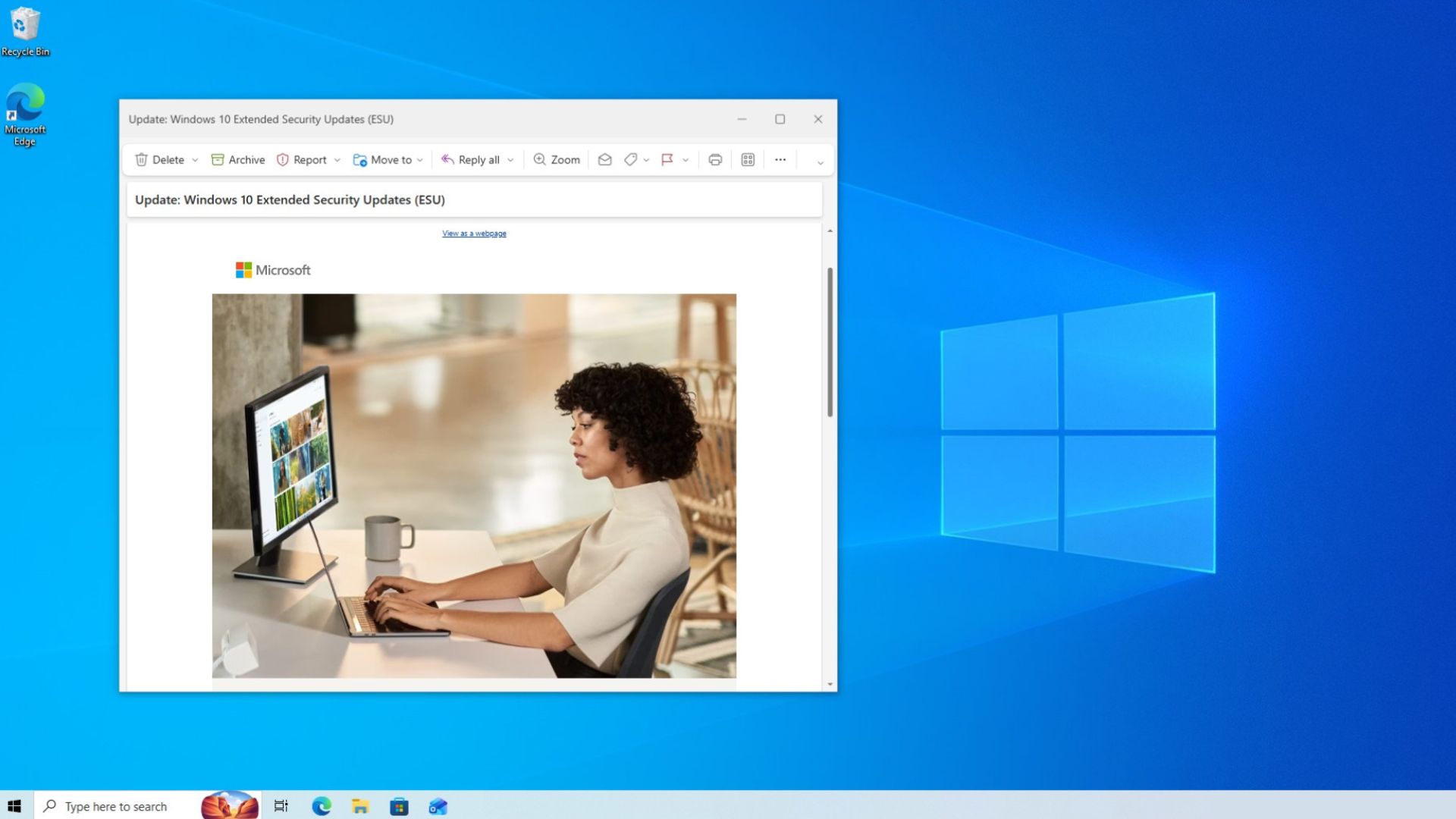
As the Windows 10 support cycle gradually comes to an end, Microsoft is accelerating user upgrades through various methods. Whether the system is stable and reliable is still the primary criterion for many users to measure the value of an operating system. For Microsoft, how to strike a balance between continued innovation and maintaining stability is still an important issue that must be faced in the future development of Windows 11.
Comments