
Abstract:
A team of paleontologists and geologists announced in a latest study that for the first time, land dinosaur tracks belonging to the Coniacian age of the late Cretaceous (approximately 89.7 million to 86.5 million years ago) were discovered in the Tumbler Ridge area of northeastern British Columbia, Canada. This major discovery successfully filled in the long-standing gap in dinosaur evolution fossils in North America and provided key basis for studying major changes in prehistoric ecosystems.
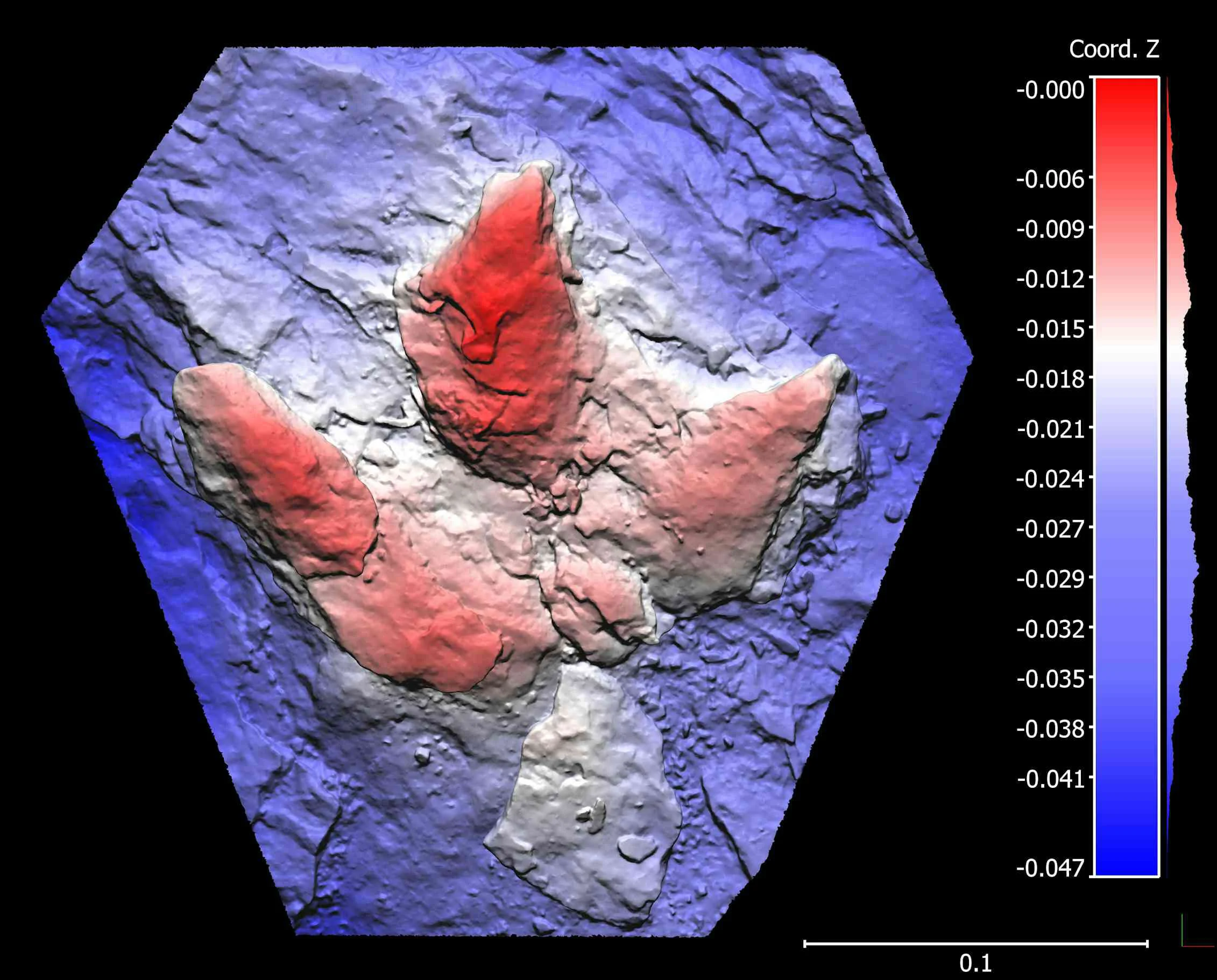
This ancient site was first accidentally discovered by geoscientist Guy Plint during an investigation in 1988. However, due to its extremely remote location and can only be reached by helicopter, related sampling and in-depth research work was not fully launched until recent years. After conducting 3D digital scanning, sampling and dating of the on-site footprints, a joint expedition team composed of Print and local paleontologist Charles Helm confirmed that these footprints are completely preserved in the geological Marshbank Formation (Marshybank Formation), and its stratigraphic age is locked at about 88 million years ago.
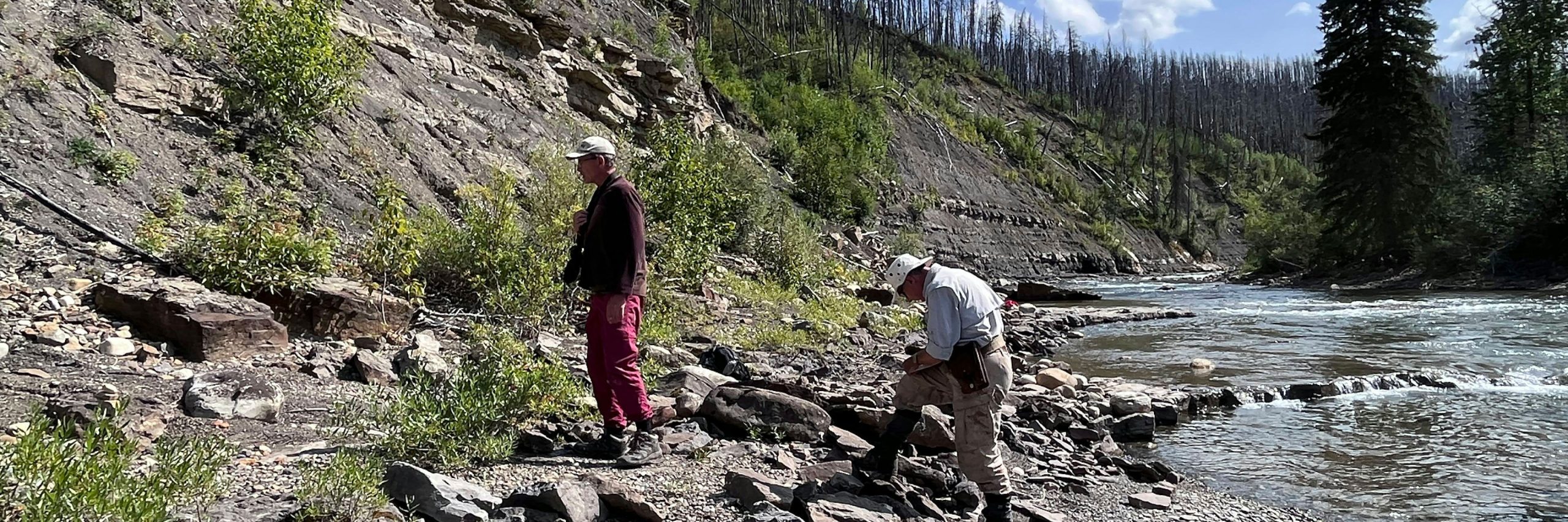
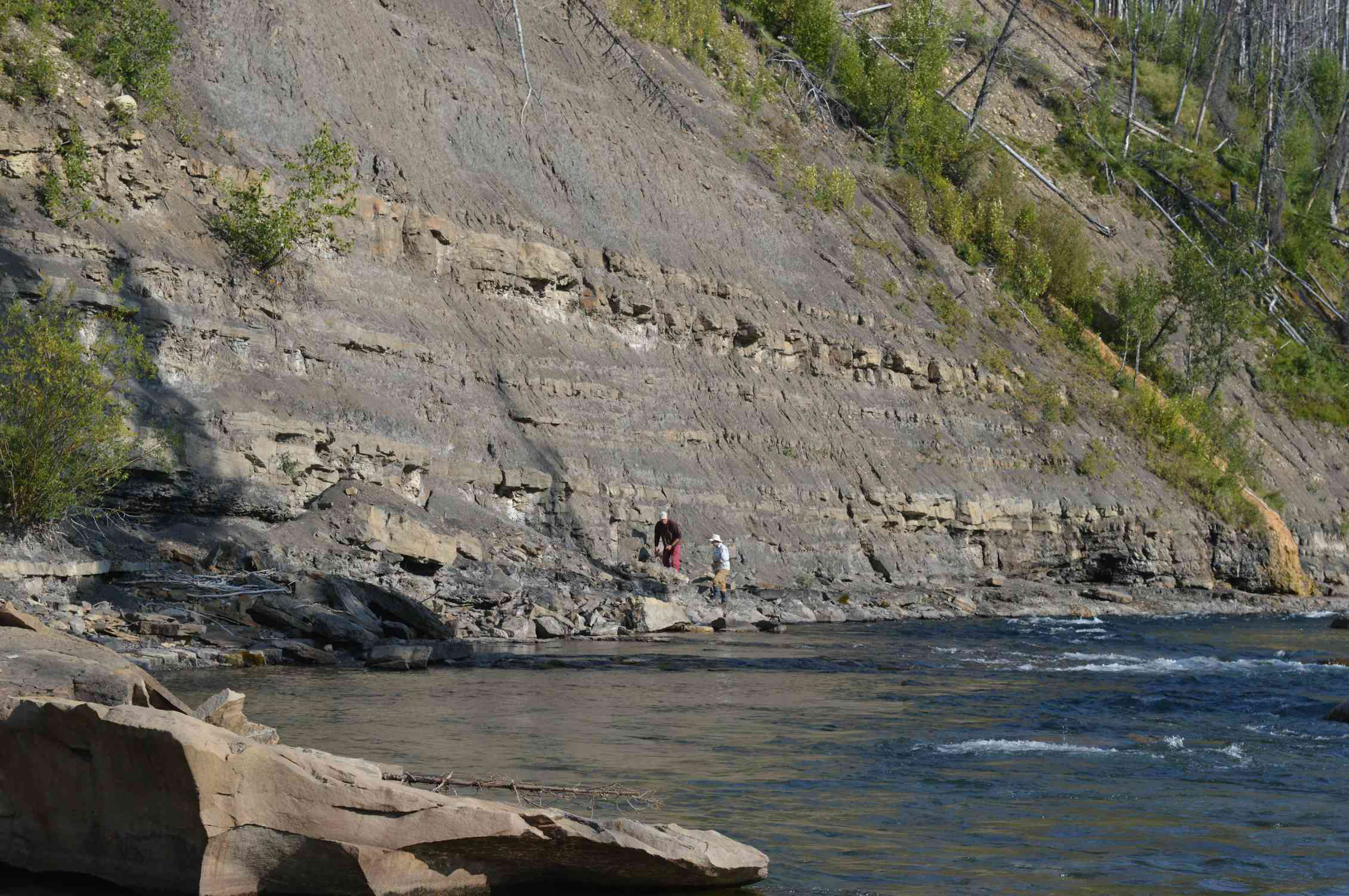
Geological analysis shows that the site was a river delta that meandered into the inland sea in ancient times. When the ancient river flooded, the thin sand layer quickly covered and sealed the animal footprints left on the mudflat, thus completely preserving this wetland ecosystem in the form of a "natural mold" to this day. The footprints cleared at the site mainly include three categories: the largest number are the footprints of ornithopod dinosaurs (such as hadrosaurs) with a width of 30 to 50 centimeters and blunt three-toed shapes. In addition, there are also a small number of footprints of carnivorous theropod dinosaurs and armored stegosaurs/ankylosaurs.
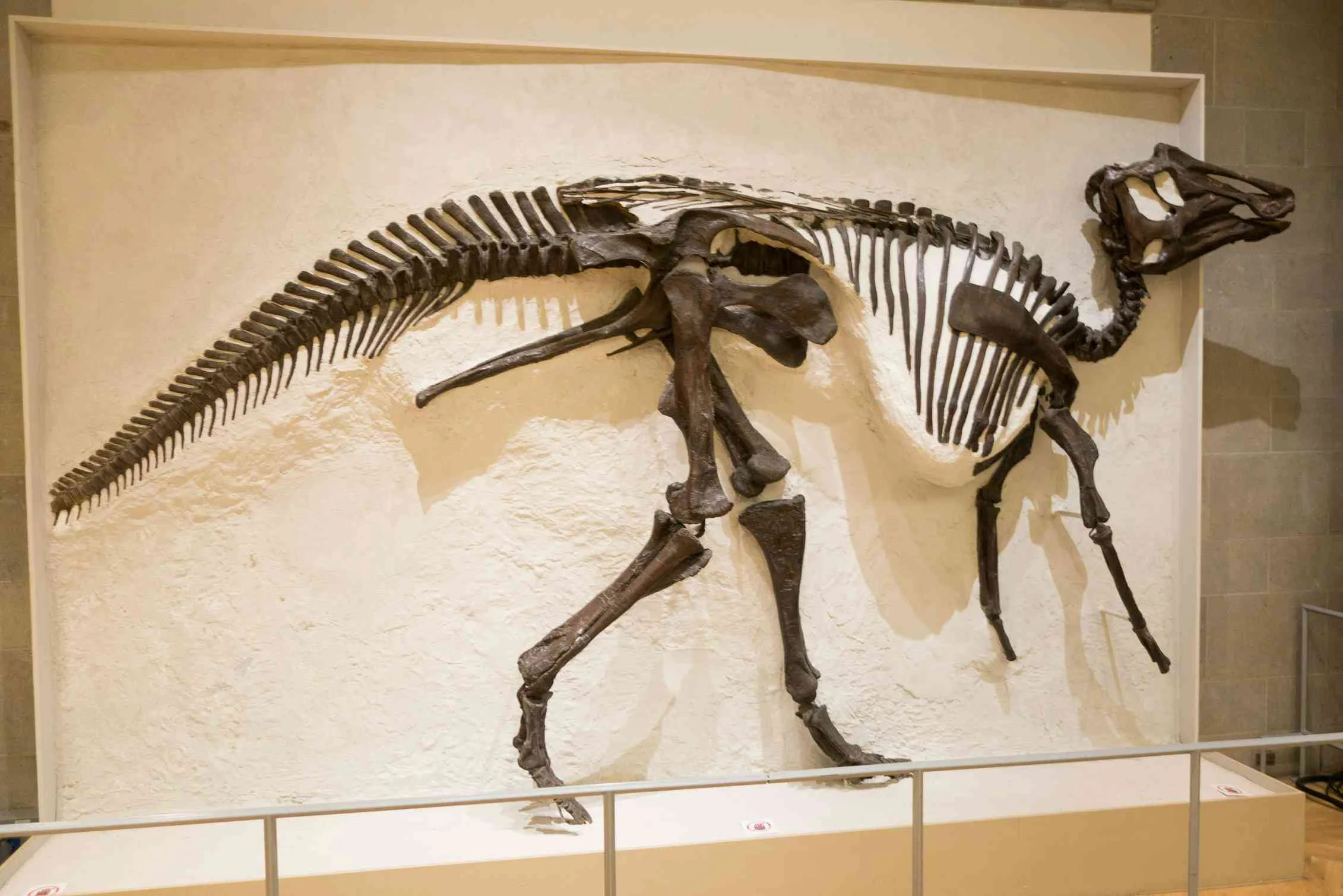
This discovery is a milestone in revealing the ecosystem succession in the late Cretaceous. In earlier strata 90 million years ago, slow-moving, heavily armored ankylosaurs dominated the herbivorous dinosaurs in North America; and fossil evidence from the Tumblrage site shows that by the Coniac Stage, ornithopods with the ability to walk on two or four legs had replaced ankylosaurs and became the most prosperous terrestrial herbivorous species in the area.
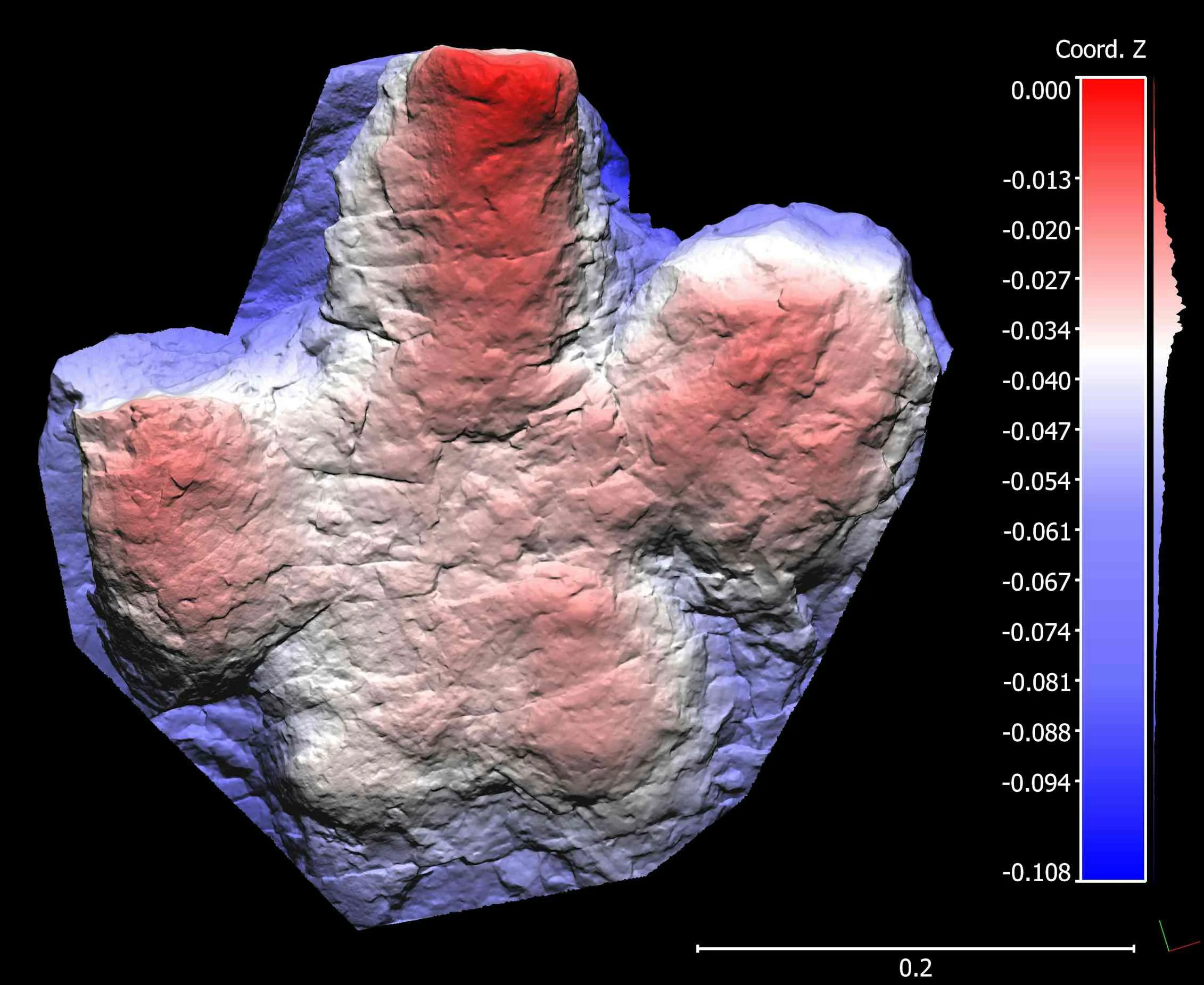
The researchers pointed out that this shift in ecological dominance was inseparable from the explosive evolution of angiosperms (flowering plants) at that time. The richer plant dietary structure promoted the rapid rise of ornithopod dinosaurs. Previously, due to erosion and ancient marine intrusion, almost no Coniacian terrestrial dinosaur fossils were preserved throughout Canada, so this period was once called "erased history." This discovery not only reassembles this missing piece of the evolutionary puzzle, but also further consolidates the academic value of this area as a key landmark for global paleontological research.
Comments