
Abstract:
A new international study has found that many medieval parchment manuscripts that have been preserved to this day not only record the words left by ancient scribes, but also accidentally preserve the genetic information of viruses spanning thousands of years. By analyzing the animal hides used in these ancient documents, scientists reconstructed the 3,500-year evolutionary history of the capripox virus and traced its spread back to the Bronze Age in Eurasia.
The research was led by University College Dublin and brought together geneticists, historians, virologists, protein chemists and conservation experts. The research team extracted DNA samples from several famous European medieval manuscripts and obtained evidence for the first time that the capripox virus had widely affected sheep flocks in Europe and Asia thousands of years before the birth of modern veterinary medicine.
Sheeppox is a highly contagious viral disease that can spread rapidly among sheep and is particularly threatening to young animals. Infection not only causes high mortality but also severely affects wool, meat and dairy production, so it has long been an important threat to the livestock industry.
In the Middle Ages, most books and religious documents were written on parchment. These parchments were usually made from the hides of sheep, goats, or cows. Although most biological tissue will be removed during the production process, the animal's own DNA and some traces of pathogens may still be retained. Therefore, every page of parchment that survives to this day has the potential to become a "biological archive" recording the health of ancient animals.
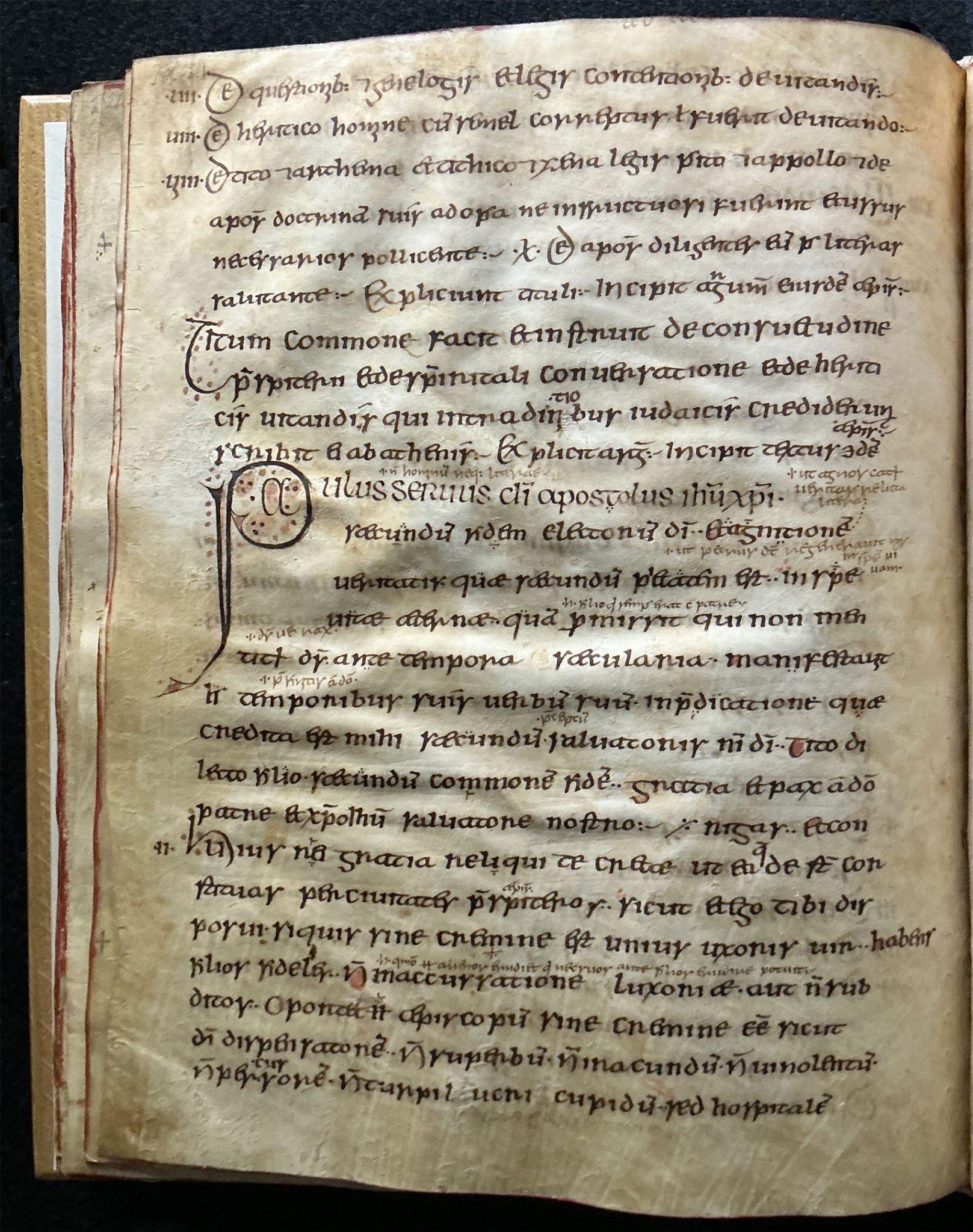
Researchers extracted DNA samples from many famous historical documents, including the Gospel of York, and successfully discovered the genetic material of sheeppox virus. By sequencing the genomes of these viruses and combining them with virus samples from sheep teeth unearthed from Bronze Age pastoral sites in Russia and central Kazakhstan, the research team successfully reconstructed the evolution of the capripox virus over more than 3,500 years.
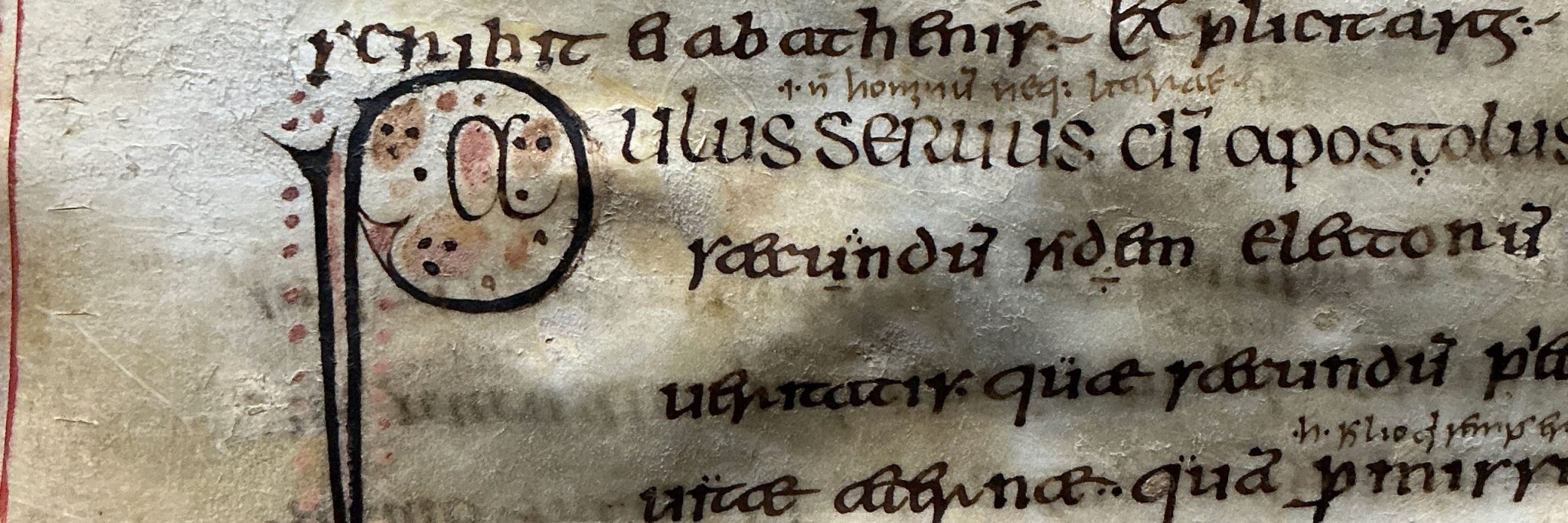
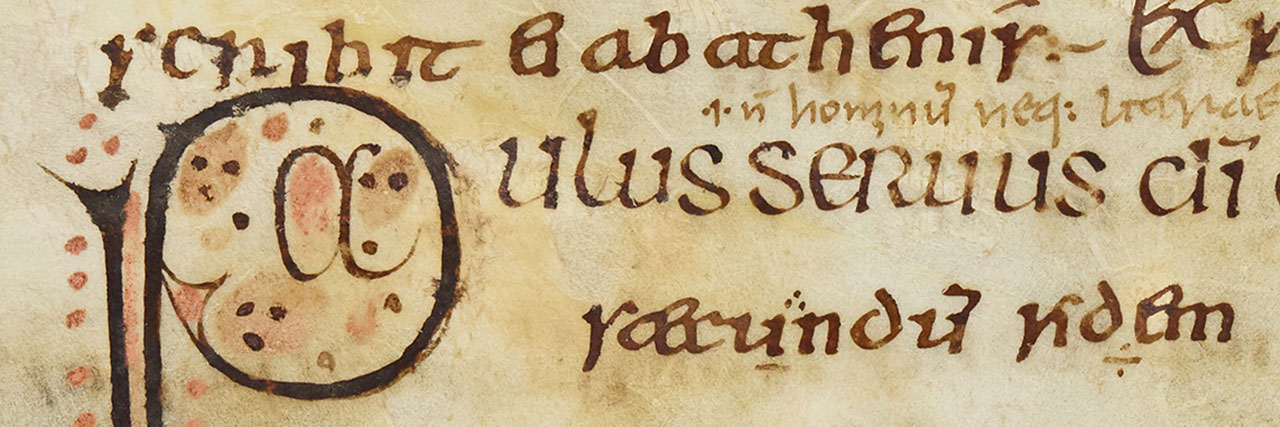
Among them, the "York Gospel" is about 1,000 years old and is regarded as one of the most important surviving Anglo-Saxon manuscripts. Research also involves the Corpus Glossary held at Corpus College, Cambridge, and other medieval documents from Britain and continental Europe.
Surprisingly, researchers not only found sheeppox virus DNA in parchment, but also found related genetic traces in calfskin, goatskin and even some paper documents. This result suggests that the sheeppox virus may have been transmitted across species, or cross-contamination occurred through animal-derived glue, gelatin and other materials during the making and binding of ancient parchment.
The study also found that multiple pages in some manuscripts contained capripox virus DNA. This indicates that the animals used to produce these documents likely came from sheep that had been infected with the virus, and these documents have inadvertently become evidence recording ancient epidemics.
The research team stated that this result not only helps people understand the history of capripox virus, but also opens a new window for studying other ancient animal diseases. In the past, ancient DNA research relied more on bones, teeth and archaeological remains, but this study proves that historical documents preserved in libraries and archives may also contain rich biological information.
The research leader pointed out that the discovery of ancient pathogen DNA has completely changed human understanding of historical infectious diseases, and this study further proves that parchment can preserve the genetic information of animal pathogens for a long time. In the future, ancient documents in libraries and archives around the world may also hold a host of important clues about the outbreak and spread of past animal diseases.
By analyzing these manuscripts that have been preserved for hundreds or even thousands of years, scientists found that the capripox virus has been affecting sheep in Eurasia for at least 3,500 years. Compared with pathogens such as smallpox virus, capripox virus has relatively limited genetic changes in its long history and shows high stability.
Researchers believe that reconstructing the evolutionary history of such ancient viruses will not only help understand how past pastoral societies were affected by diseases, but also help scientists delve deeper into the origin, adaptation and transmission mechanisms of modern pathogens. Medieval manuscripts that were once regarded as mere cultural heritage have now been given a new identity - precious biological databases recording the history of ancient diseases.
Comments