
Abstract:
An international research team recently announced the discovery of a never-before-seen extremely heat-resistant single-celled organism. This new type of eukaryotic organism, called "flame amoeba" by researchers, can survive in high-temperature environments close to the boiling point, and has refreshed the scientific community's understanding of the heat resistance of complex life.
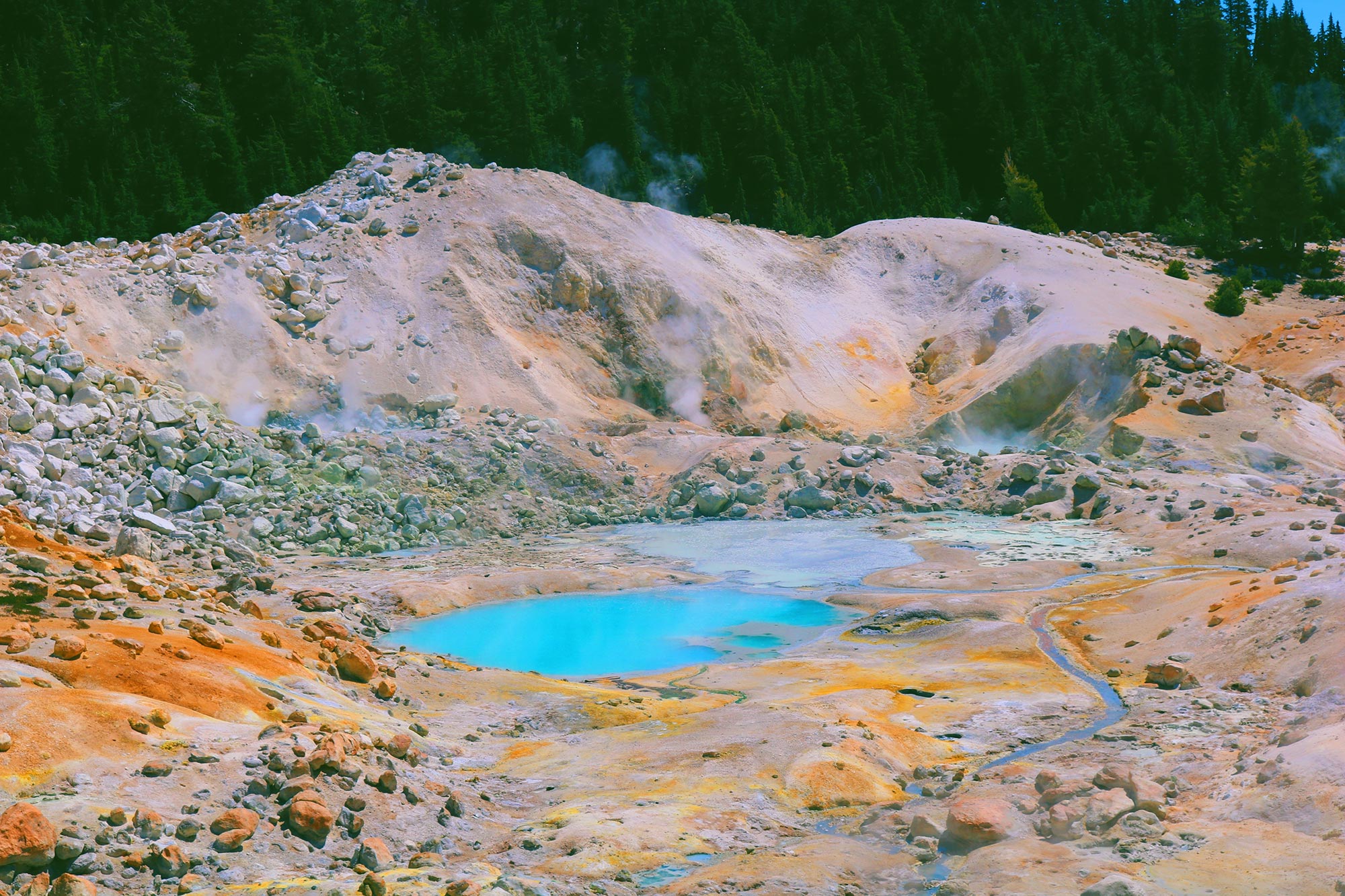
For a long time, scientists have believed that the most heat-resistant life forms are mainly concentrated in the field of prokaryotes such as bacteria and archaea. These microorganisms can live in deep-sea hydrothermal vents, volcanic hot springs, and other extreme environments. However, for eukaryotes, which possess nuclei and more complex internal structures, it is generally accepted that there is a clear upper limit to their thermal tolerance.
The new creatures discovered this time are challenging this traditional view.
Researchers discovered this special amoeba while collecting samples in a high-temperature hot spring environment. Experimental results show that it can not only survive in an environment far higher than the survival limit of most eukaryotes, but can also grow and reproduce normally.
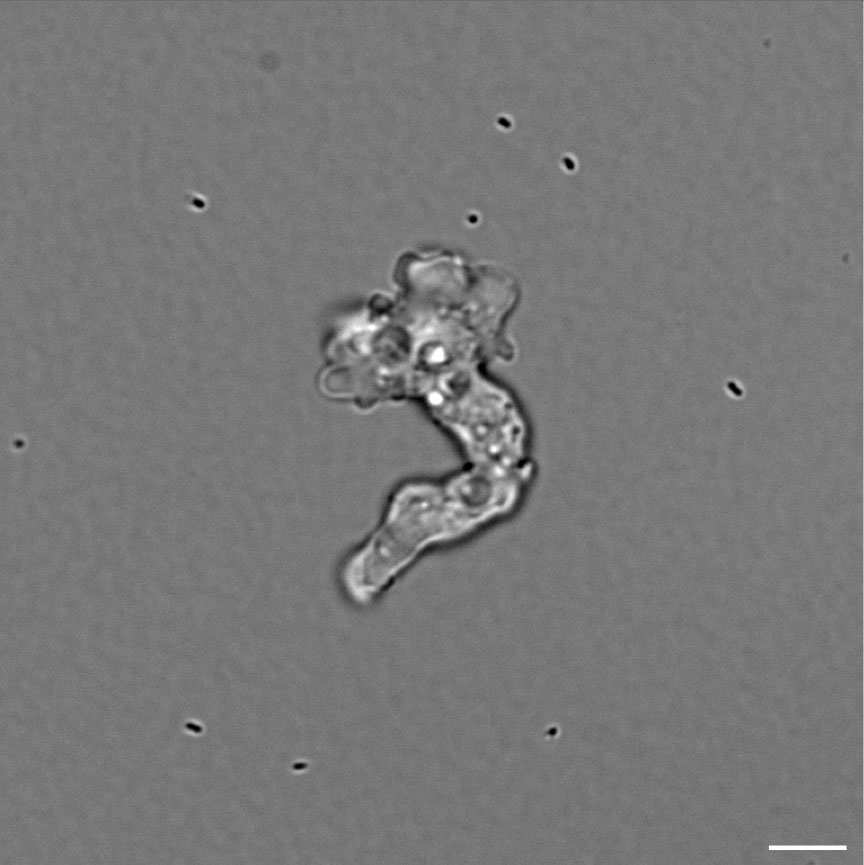
From a taxonomic perspective, this creature belongs to the amoeba group and is able to move slowly and prey on surrounding microorganisms by changing its shape. But unlike ordinary amoeba, it lives in extreme conditions close to boiling for a long time, so it earned the name "flame amoeba".
What surprised the research team even more was that the internal structure of the cells did not lose stability due to high temperatures.
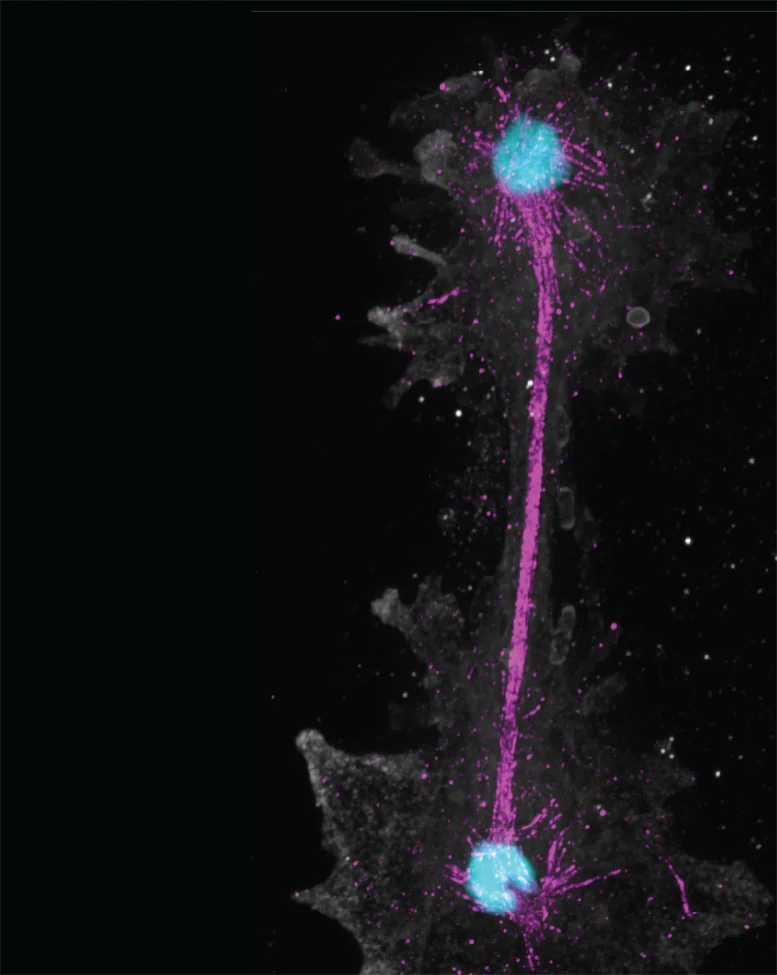
Normally, high temperatures can lead to protein denaturation, cell membrane destruction, and damage to genetic material, all of which are important reasons why it is difficult to maintain life activities. However, the flame amoeba has apparently evolved a unique set of survival mechanisms that allow it to withstand the damage caused by sustained high temperatures.
Researchers speculate that this organism may have a specially modified protein structure, a more stable cell membrane composition, and a unique DNA protection mechanism. However, the specific working principle still needs further study.
The significance of this discovery is not limited to biology.
Scientists say that a new understanding of the heat tolerance limit of life will affect human understanding of the evolution history of life on Earth. The early Earth was exposed to high temperatures for a long time. If complex life is more adaptable to high temperatures than previously thought, some theories about the origin and evolutionary path of life may need to be re-evaluated.
At the same time, this research also provides new ideas for searching for extraterrestrial life.
Many studies in the past have believed that only relatively mild environments are suitable for the existence of complex life. The discovery of flame amoeba shows that eukaryotes can maintain complex life activities even under extreme high temperature conditions. This means that some planetary or satellite environments that were considered too harsh in the past may be worthy of further exploration in the future.
The research team pointed out that the number of currently known most heat-resistant eukaryotes is very limited, and the emergence of flame amoeba has expanded the scientific community's understanding of the adaptability of life.
In the future, researchers plan to sequence its complete genome and conduct in-depth analysis of the related heat-resistant mechanisms, hoping to understand how this organism maintains normal operations in an environment that is almost enough to destroy most life forms.
Analysts believe that the discovery of the flame amoeba once again proves that life's ability to adapt to extreme environments far exceeds human imagination. From deep-sea hydrothermal vents to high-temperature hot springs, from extremely cold ice to strong acid environments, nature continues to break scientists' existing understanding of the limits of life.
This time, an amoeba living in a "flame"-like environment is forcing people to rethink an ancient question: under what extreme conditions can life exist.
Comments