
Abstract:
A research team at the University of Utah Health Center in the United States found that bacteria can determine whether they have been invaded by recognizing an enzyme activity necessary for the virus itself, thereby activating a powerful immune defense system. This discovery not only reveals an important link in the bacterial antiviral mechanism, but is also expected to help scientists develop more effective phage therapies to combat the growing problem of antibiotic resistance. The research results have been published in the journal Science.
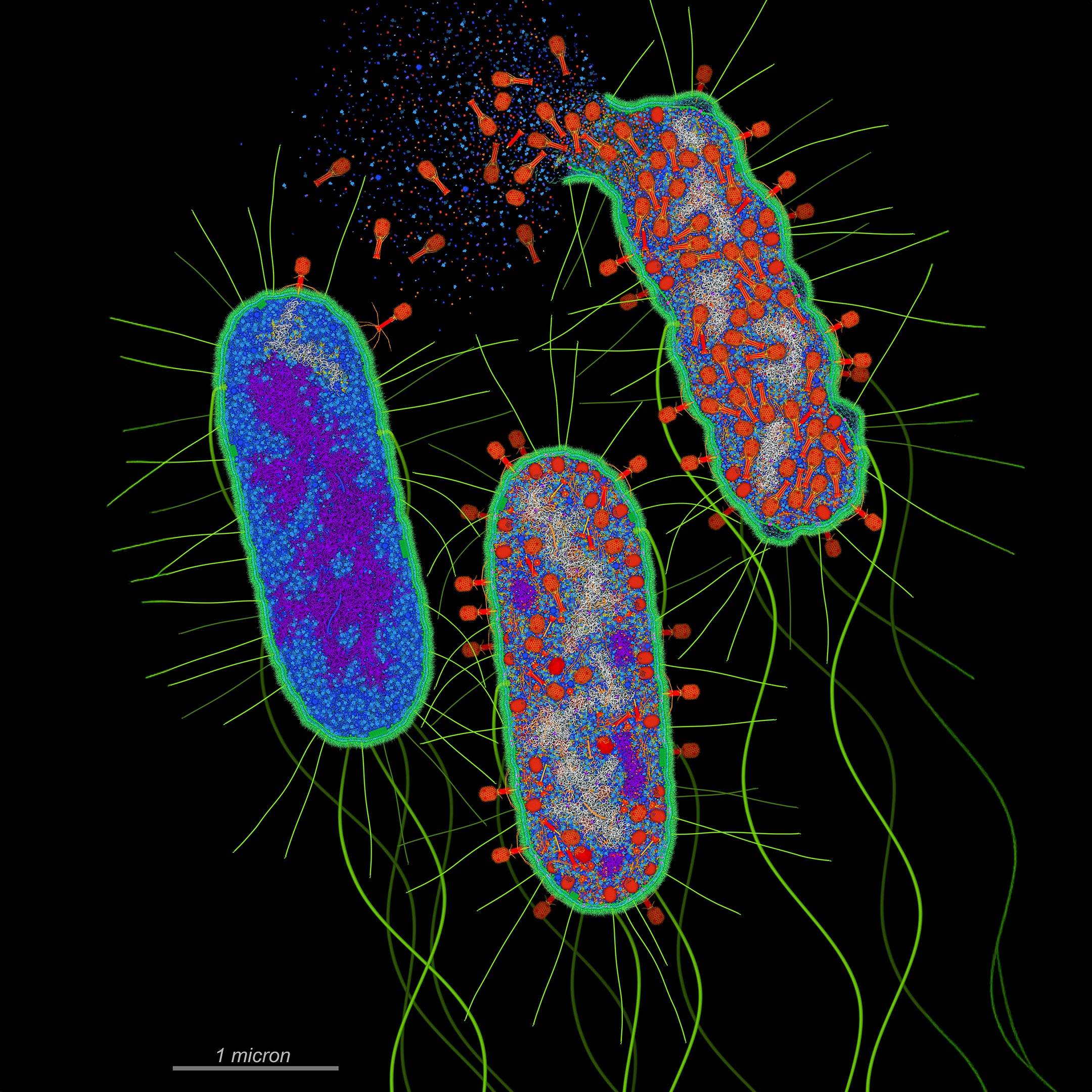
In recent years, viral phages that specifically infect bacteria have received widespread attention from the medical community. Because phages can precisely attack bacteria without harming human cells, they are seen as an important tool in the future treatment of stubborn bacterial infections, especially in the context of an increasing number of pathogens becoming resistant to existing antibiotics. However, bacteria are not defenseless. They also have complex immune systems that prevent phage infection. Studying these defense mechanisms is considered a key step in promoting the development of phage therapy.
Researchers discovered this time that the way bacteria recognize viral invasion is different from what was previously thought. In the past, it was generally believed that bacteria detect attackers primarily by sensing foreign viral genetic material. But new research shows that bacteria can also detect activity signals produced by viruses as they carry out their own tasks. Specifically, an enzyme necessary for the virus cleaves an important sensor molecule inside the bacteria, and this action instead triggers an alarm signal, allowing the bacteria to quickly launch an immune response.
Sam Hobbs, first author of the study and assistant professor of biochemistry at the University of Utah Health Center, said that this is one of the most common forms of immunity in bacteria, and when the team finally cracked its working mechanism, everyone felt like they had experienced an "aha moment."
This study focused on a bacterial immune system called CBASS. When the system is activated, the bacteria adopt an extreme "self-sacrifice" strategy. Before the virus completes its replication and spreads to surrounding bacteria, the infected cells will actively die, thus breaking the chain of viral transmission. Because this defense directly leads to host cell death, the system must be extremely accurate to identify a true viral threat before it is activated.
The research team found that the CBASS system targets a key tool that the virus relies on to survive. Some phages produce enzymes called proteases that cut and break down proteins. Scientists have discovered that viral proteases directly act on specific proteins in host bacteria, and this process becomes a key switch in activating the entire immune signaling pathway. In other words, the weapons used by the virus in launching attacks have exposed its own existence.
The researchers believe that this mechanism demonstrates an extremely clever biological game. Bacteria do not need to directly identify the ever-changing viruses themselves, but instead monitor the critical steps that viruses inevitably perform during infection. Once these steps occur, the immune system is ready to respond immediately.
Scientists say that a deeper understanding of how bacteria detect and resist phages will not only help design new therapeutic phages that can bypass the bacterial immune system, but also help researchers explore the immune strategies formed during the long-term evolution of life. As the antibiotic resistance crisis continues to expand, this type of research may play an important role in developing alternative treatments in the future.
Comments