
Abstract:
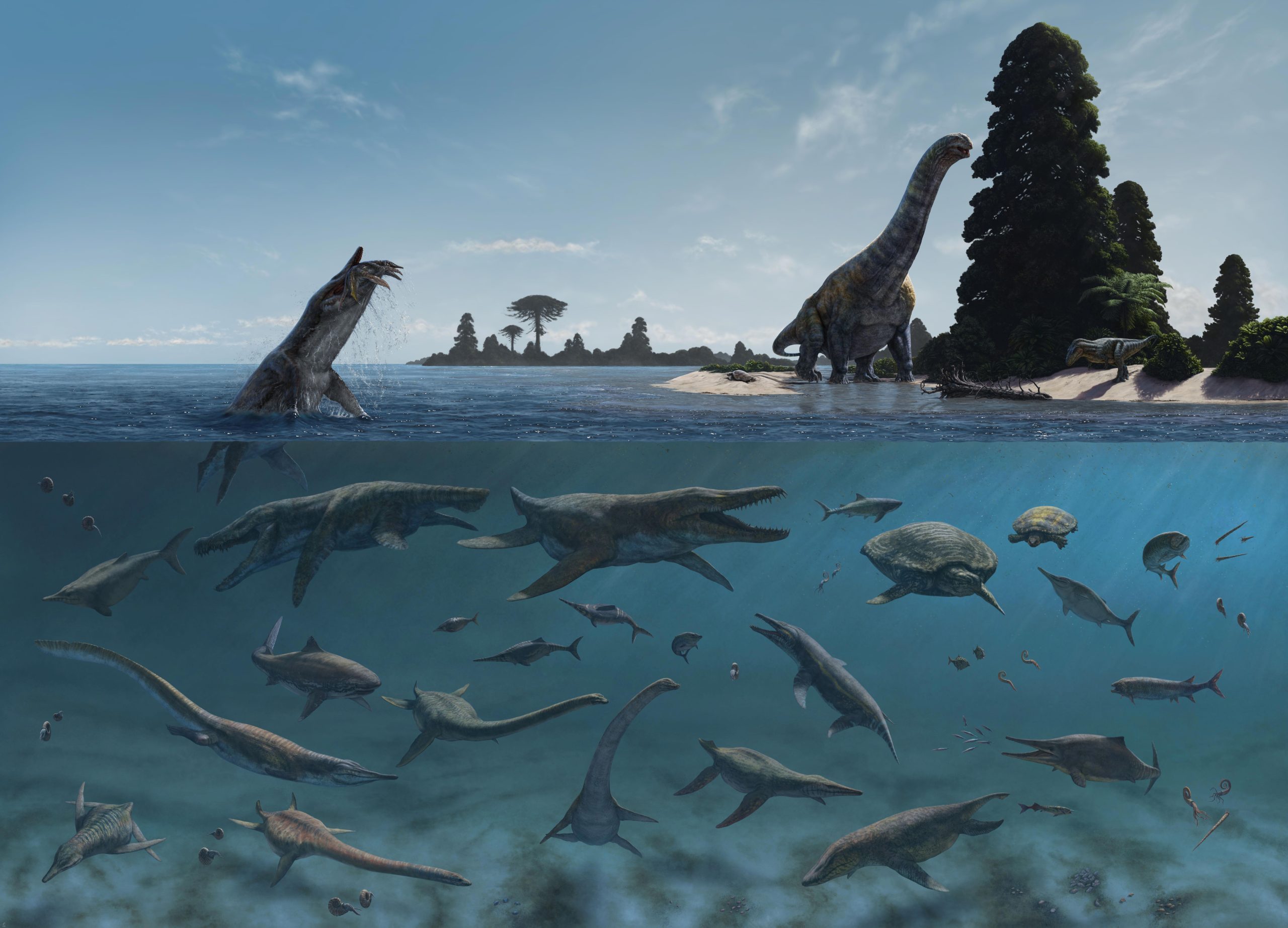
In the Early Cretaceous about 120 million years ago, the sea area where central Colombia is today used to be home to an extremely complex marine ecological community. Long-necked plesiosaurs, ancient marine crocodiles, turtles, sharks and various crustaceans together form a highly complex food web. Surprisingly, this ecosystem not only hosts a wide variety of marine life, but also contains multiple large predators at the top of the food chain.
Recently, a research team from McGill University in Canada proposed a new model that may change the traditional understanding of evolution by re-analyzing the fossil records of this period. They believe that major changes in the Earth's ecosystem do not necessarily require large-scale species extinction. Sometimes, ancient biological lineages that are on the verge of disappearing and new taxa that are emerging may flourish together for a long period of time, ultimately promoting profound changes in the ecological structure.
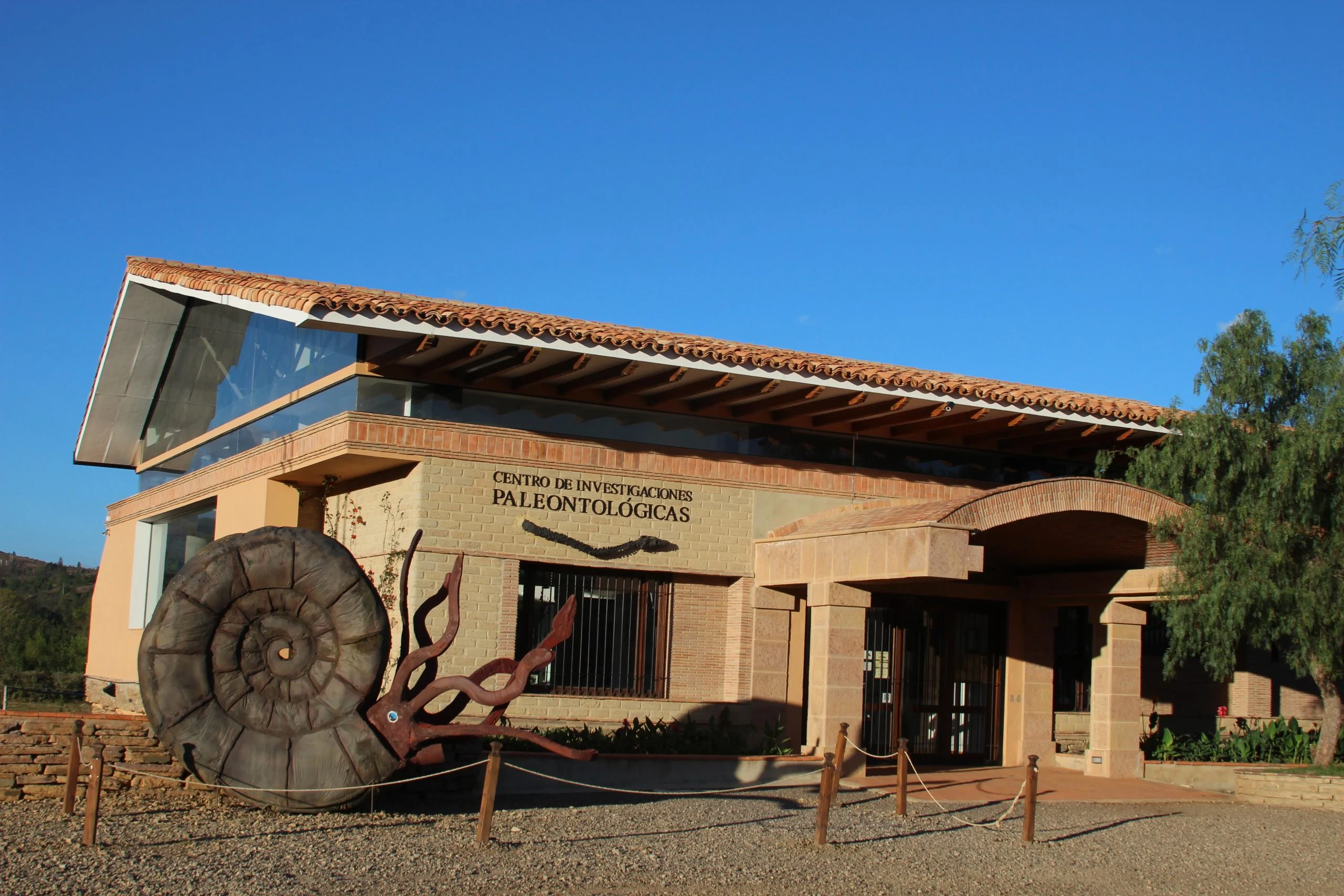
The study is based on fossils from Colombia's Paja Formation. This formation is located near Via de Leyva in central Colombia. It was formed in the Early Cretaceous and has an extremely rich fossil record of marine life. The local paleontological research center preserves most of these important specimens.
Researcher Dirley Cortés and McGill University biology professor Hans Larsson pointed out that the Paha Formation preserves a very rich variety of organisms, including huge long-necked plesiosaurs, ancient marine reptiles that are evolutionary related to modern crocodiles, as well as sea turtles, sharks and crustaceans. Together these organisms make up the so-called Paja Biota.
The research team has previously reconstructed the food web of this biota and analyzed the predatory relationships between different species. The results show that the Paha biota has a high degree of ecological complexity, especially the diversity of large apex predators. Normally, the number of top predators that can coexist in an ecosystem for a long time is limited by food resources and competition for ecological niches, but the Paha Biota exhibits an unusually rich predator assemblage.
Researchers believe that this special ecological structure may be related to the simultaneous emergence of a series of factors in the earth's environment at that time.
First of all, the global climate during the Early Cretaceous was relatively warm, and higher greenhouse gas concentrations kept ocean temperatures at a high level. Secondly, the global sea level was high at that time, and coastal shallow sea areas were widely distributed, providing a rich habitat for marine life. In addition, nutrient-rich coastal waters can support higher biological productivity and provide sufficient energy sources for complex food webs.
Another potentially important factor was the maritime connection between the eastern Pacific and the early Atlantic Ocean at that time. Researchers believe that in the area where Colombia is today, new ocean channels may promote exchanges between biota in different sea areas, gradually connecting originally relatively independent ecosystems. Species from different origins enter the same sea area, further increasing ecological diversity.
These environmental conditions coincided with an important transition in biological evolution. Some ancient Jurassic life lineages are on the verge of extinction, while some new Cretaceous life groups are beginning to emerge. Two organisms at different evolutionary stages coexist in the same ecosystem, forming a special transitional state.
Researchers named this phenomenon "Biotic Inflection."
This concept describes an evolutionary process in which a group of ancient biological lineages gradually decline while new biological groups are emerging and about to flourish. The ecosystem does not replace the old with the new through a sudden mass extinction, but gradually changes as different lineages coexist.
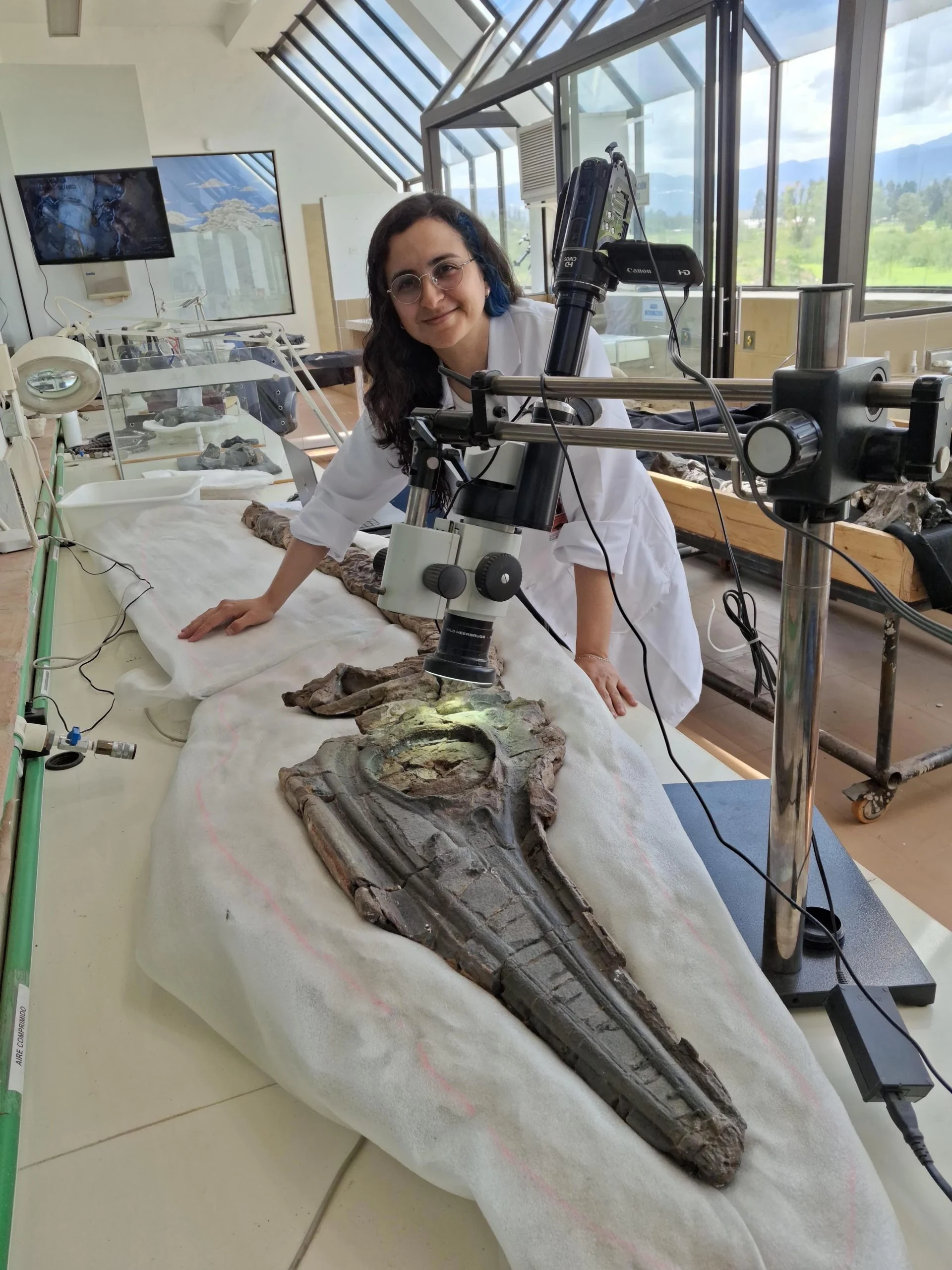
Research leader Hans Larsson believes this may represent a pattern of global biodiversity change that has not been fully appreciated before. Traditionally, scientists have associated major shifts in Earth's ecosystems with mass extinction events, such as the end-Cretaceous mass extinction represented by the extinction of the dinosaurs. But the Paha Biota shows that ecosystems can undergo equally profound evolutionary reorganization without a catastrophic extinction event.
Of course, the researchers stress that it is not yet certain how common this biological transition phenomenon was in Earth's history. To test this theory, it will be necessary to collect more fossil samples from different regions, further improve the accuracy of stratigraphic dating, and compare Colombia's fossil record with contemporaneous sedimentary layers in other parts of the world.
This study was published in "Frontiers in Ecology and Evolution" on May 15, 2026, titled "The Paja Formation of Colombia records the unique high biodiversity of Gondwana's Early Cretaceous marine ecosystem during the biological transition period."
The significance of the research is that it provides another perspective for understanding the evolution of life on earth: species replacement does not always take catastrophic extinction as the dividing line. Ancient organisms and emerging species may coexist for long periods of time, and environmental conditions such as climate, sea level, nutrient supply, and ocean connectivity may combine to create an ecological window for extraordinary prosperity.
In other words, some major changes in the history of life on earth may not have occurred after the mass extinction, but were quietly completed in the process of the co-prosperity of old and new creatures and the continuous reorganization of ecological relationships.
Comments