
Abstract:
A research team from the University of British Columbia in Canada recently discovered and described two never-before-recorded sea spider species in the Salish Sea. This is the first time a new sea spider species has been discovered in the area in nearly a century. The relevant results not only fill the gaps in local marine biodiversity research, but also reveal the little-known lifestyle of these strange creatures.
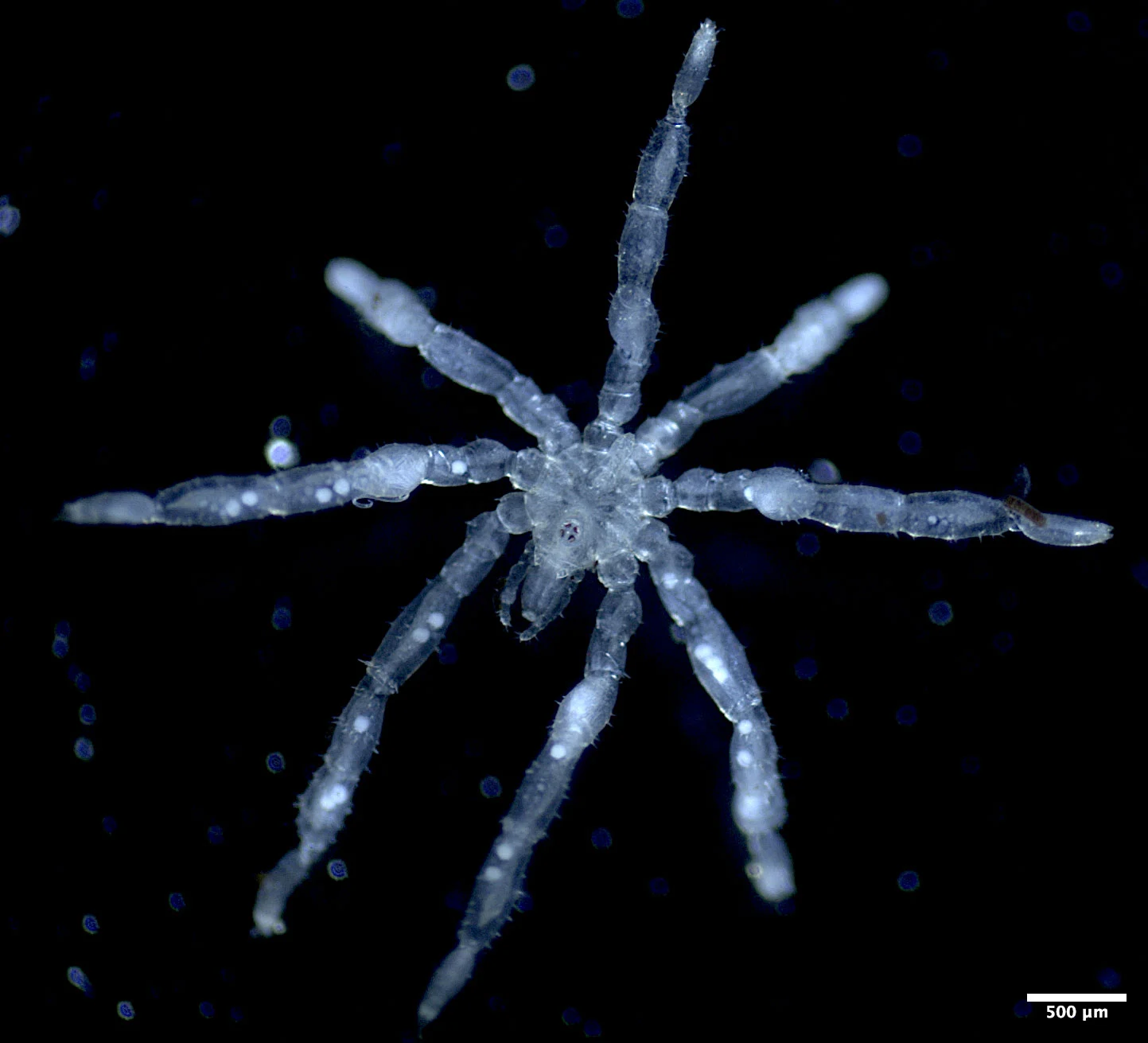
One of the new species has bright red eyes, feet covered with fine hairs and mouthparts shaped like a three-petal structure. Researchers say the appearance of its mouth is reminiscent of monster lairs in science fiction works, while the thick bristles on its legs give it a highly recognizable appearance. The new species has been named Tanystylum kiixin.
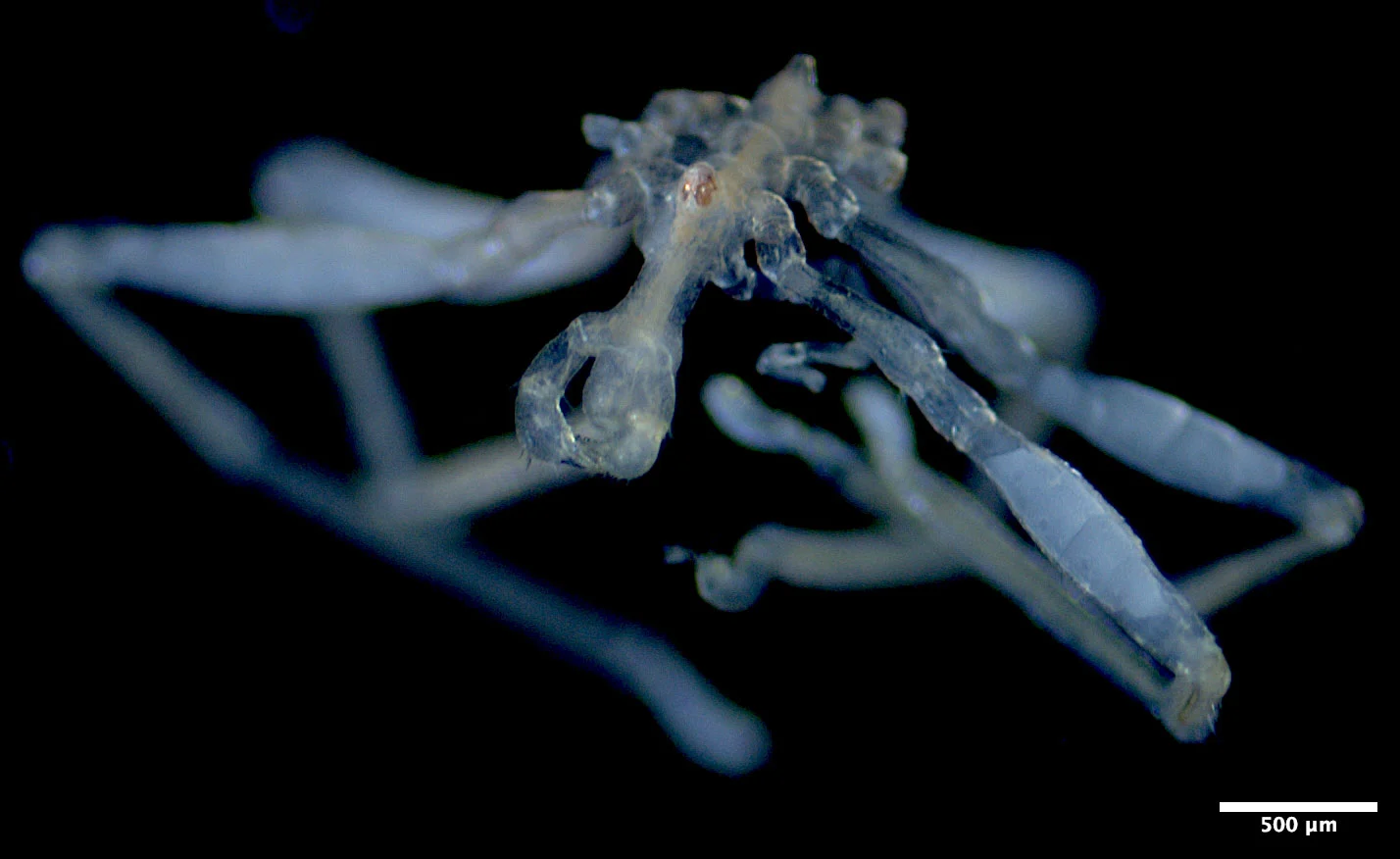
Another newly discovered sea spider is named Callipallene pilosuspedes, which also has a unique body structure and living habits. The researchers pointed out that the discovery of two new species shows that there are still a large number of invertebrates in the local marine ecosystem that have not yet been recognized by the scientific community.
Research leader Cormac Toller-Scott originally planned to study the impact of climate change and human activities on sea spiders, but when reviewing the data, he found that there was an extremely lack of basic information about the species and ecological habits of sea spiders in the Salish Sea. It was this gap in knowledge that led the team to decide to launch a species survey first.
In order to complete the investigation, the research team conducted a one-year field investigation from September 2023 to August 2024. They conducted diving sampling in Quadra Island, Banfield, Victoria and other waters around Vancouver Island, diving to a depth of about 18 meters, and finally confirmed two new sea spider species.
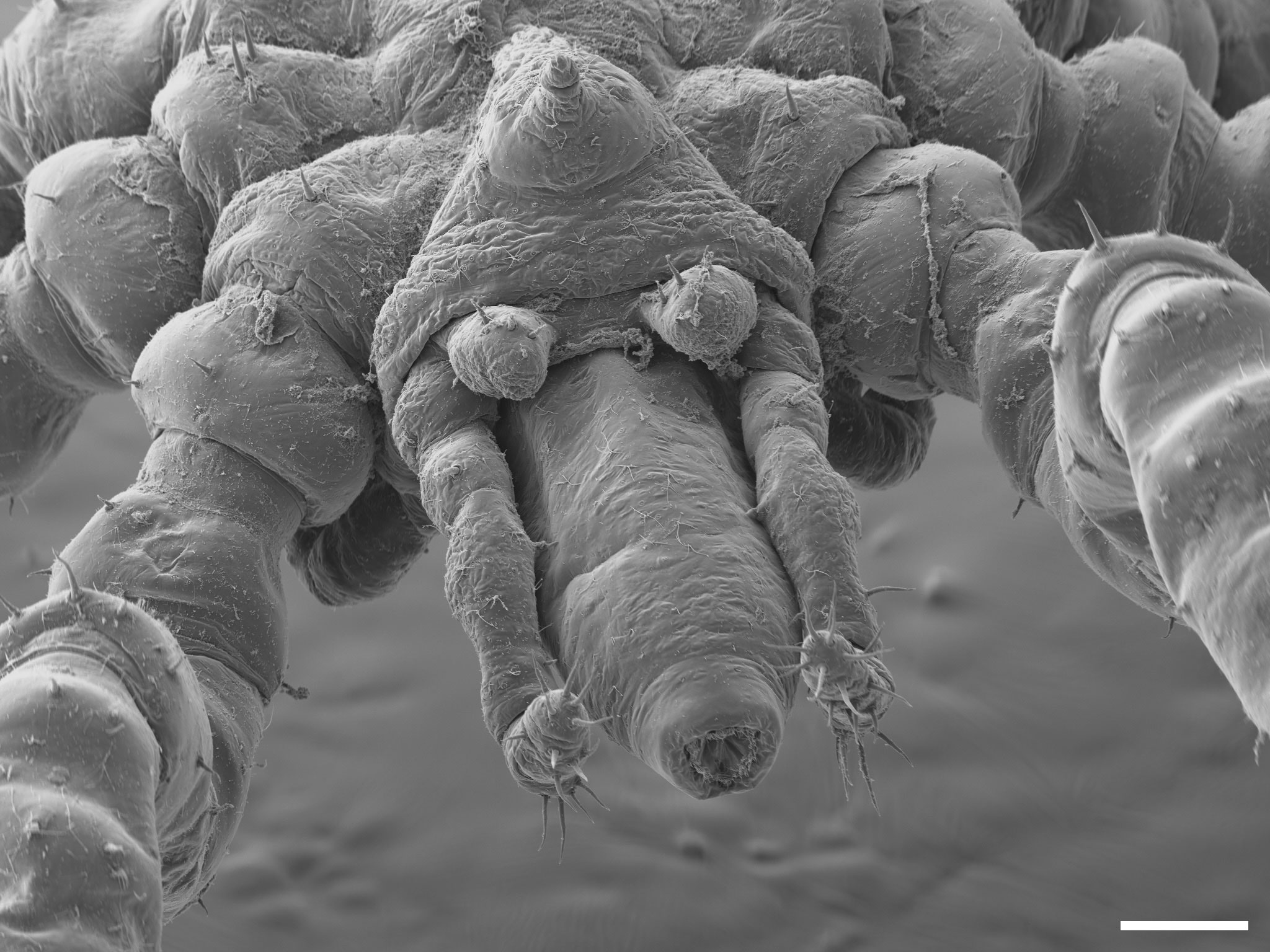
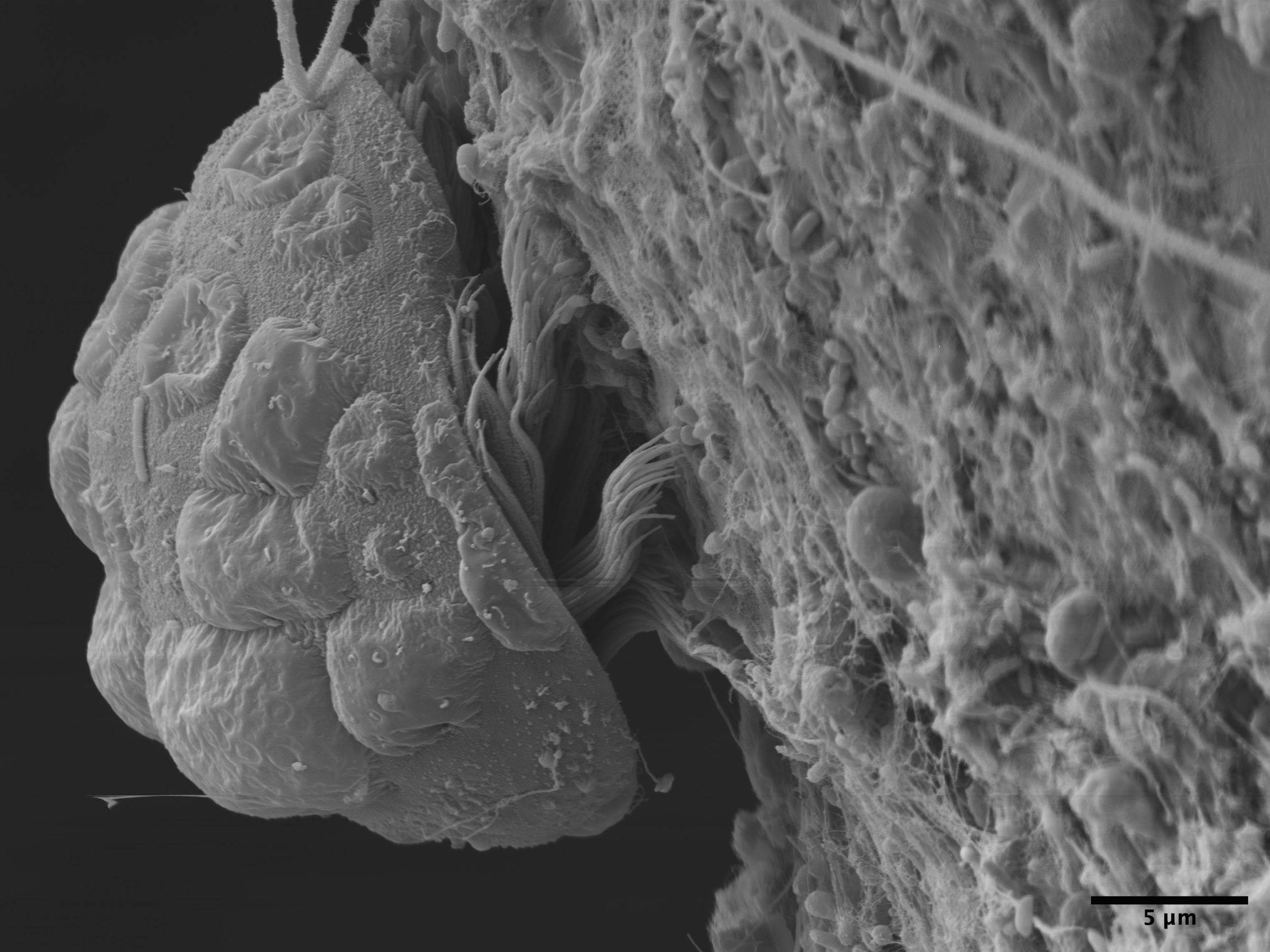
The sea spider is a very ancient marine arthropod, its origins can be traced back to about 500 million years ago. Although they are related to spiders, scorpions and horseshoe crabs on land, they have never left the marine environment. Some species have as many as 12 legs and use a special straw-like mouthpart to ingest food.
The size of these creatures varies greatly. Some species are less than 1 centimeter long, while the giant sea spiders that live in Antarctic waters can have a leg span of more than 70 centimeters. Researchers say that many shallow-water sea spiders are tiny and often parasitize larger marine organisms and use special mouthparts to suck nutrients from host tissues.
Unlike many marine animals, sea spiders exchange gases directly through their body surfaces. They also retain some very special breeding methods. The female's ovaries are located inside the legs, and the eggs produced are expelled from the body through special holes. After mating, the male collects the eggs using special appendages located near his head and uses a gelatinous substance secreted by his legs to hold the eggs to his body until the young hatch.
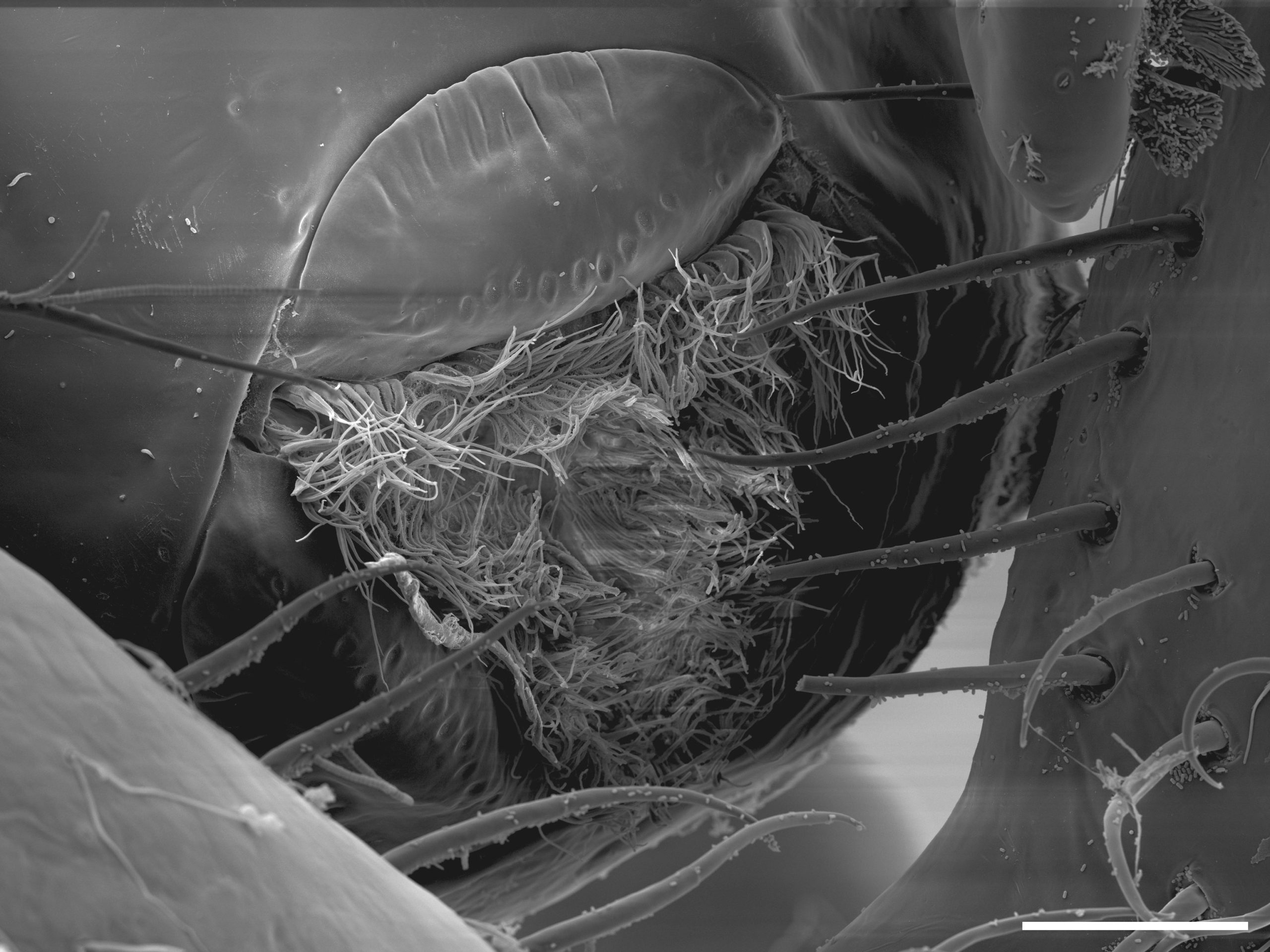
During the research, scientists also discovered that sea spiders possess some rare behaviors. For example, some individuals use comb-like appendages to clean their bodies, while others have a large number of tiny parasites attached to their bodies, showing a complex ecological relationship.
The researchers believe these findings highlight huge gaps in the study of Salish Sea biodiversity. As global climate change and human activities continue to affect coastal ecosystems, establishing a more complete species list will become an important basis for protecting the marine environment.
The team says the two new sea spiders known so far may be just the beginning. Considering that there are still many areas of the local marine environment that have not been fully investigated, more unknown species may be discovered in the future, thus further enriching the scientific community's understanding of this ancient biological group.
Comments