
Abstract:
An international paleontological research team recently announced the discovery of a previously unknown fossil of an ancient giant rodent in southern Thailand. The new species lived about 34 million years ago and was much larger than any known rodent of its time. The researchers believe the discovery suggests that large rodents may have evolved much further back than previously thought, and that Southeast Asia played an important role in this evolution.
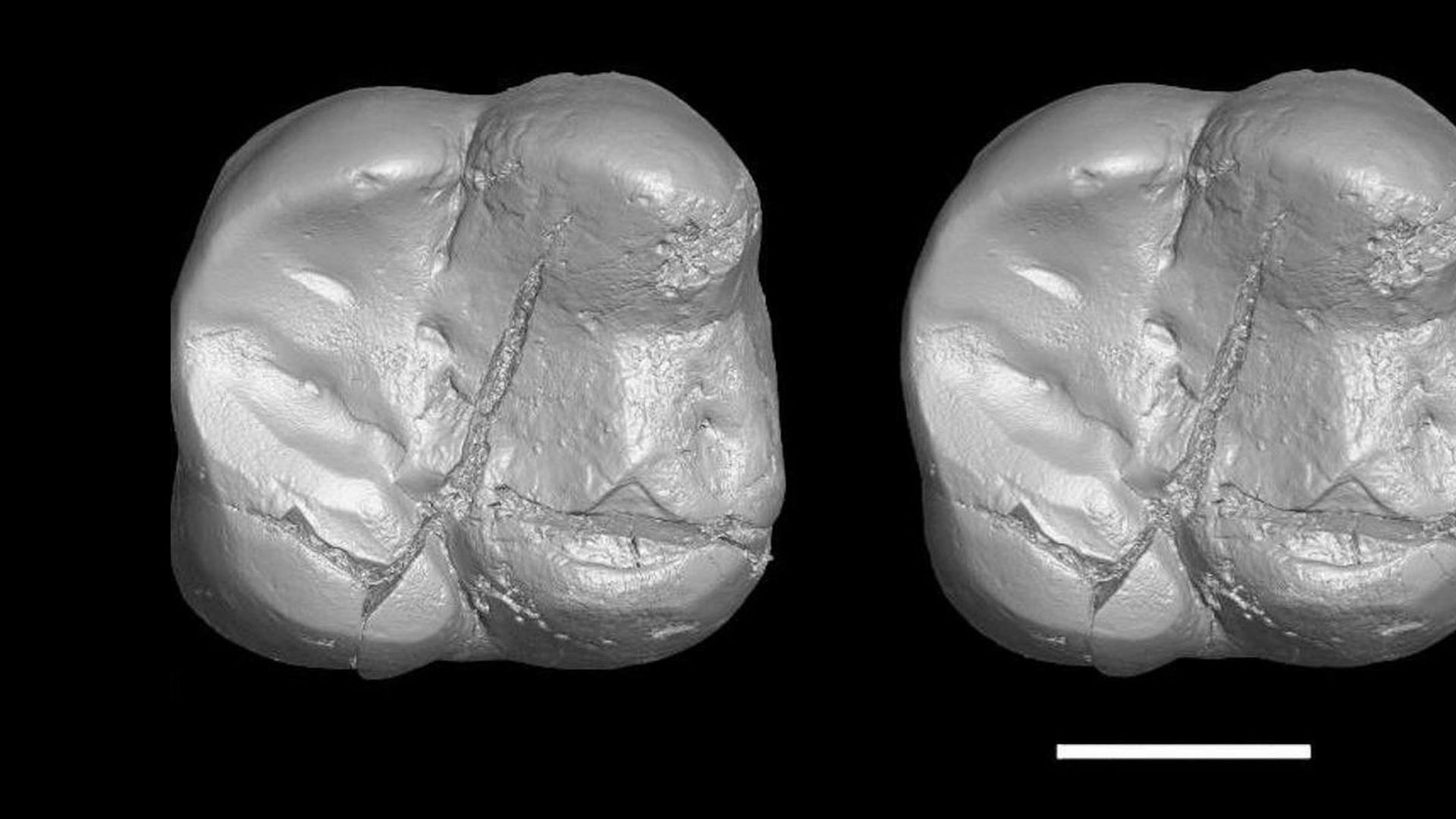
The newly discovered species has been named "Yakamys sirindhornae." Researchers discovered two fossil teeth, a lower second molar and a lower incisor, in the Bonmark Mine, a lignite mine in Krabi Province, Thailand. Although the fossil materials currently available are very limited, the unusually large size of the two teeth attracted great attention from the research team, and they were finally confirmed to belong to a completely new species.
To infer the animal's size, scientists analyzed tooth size using seven commonly used methods for estimating body weight. The results show that this ancient rodent may have weighed about 30 kilograms, which is about 66 pounds. This figure was approximately twice the weight of some large rodents known from the same period, making it one of the largest rodents of the era. However, the researchers also emphasized that since only two teeth have been found so far, the weight data is still an approximate estimate and more fossil evidence is needed in the future for verification.
The research team said that the largest rodent on earth today is the capybara living in South America. However, large rodents are not unique among modern fauna. Rodents have independently developed huge body sizes many times during their long evolutionary history, and most of the previous fossil evidence comes from stratigraphic records from much later periods in South America.
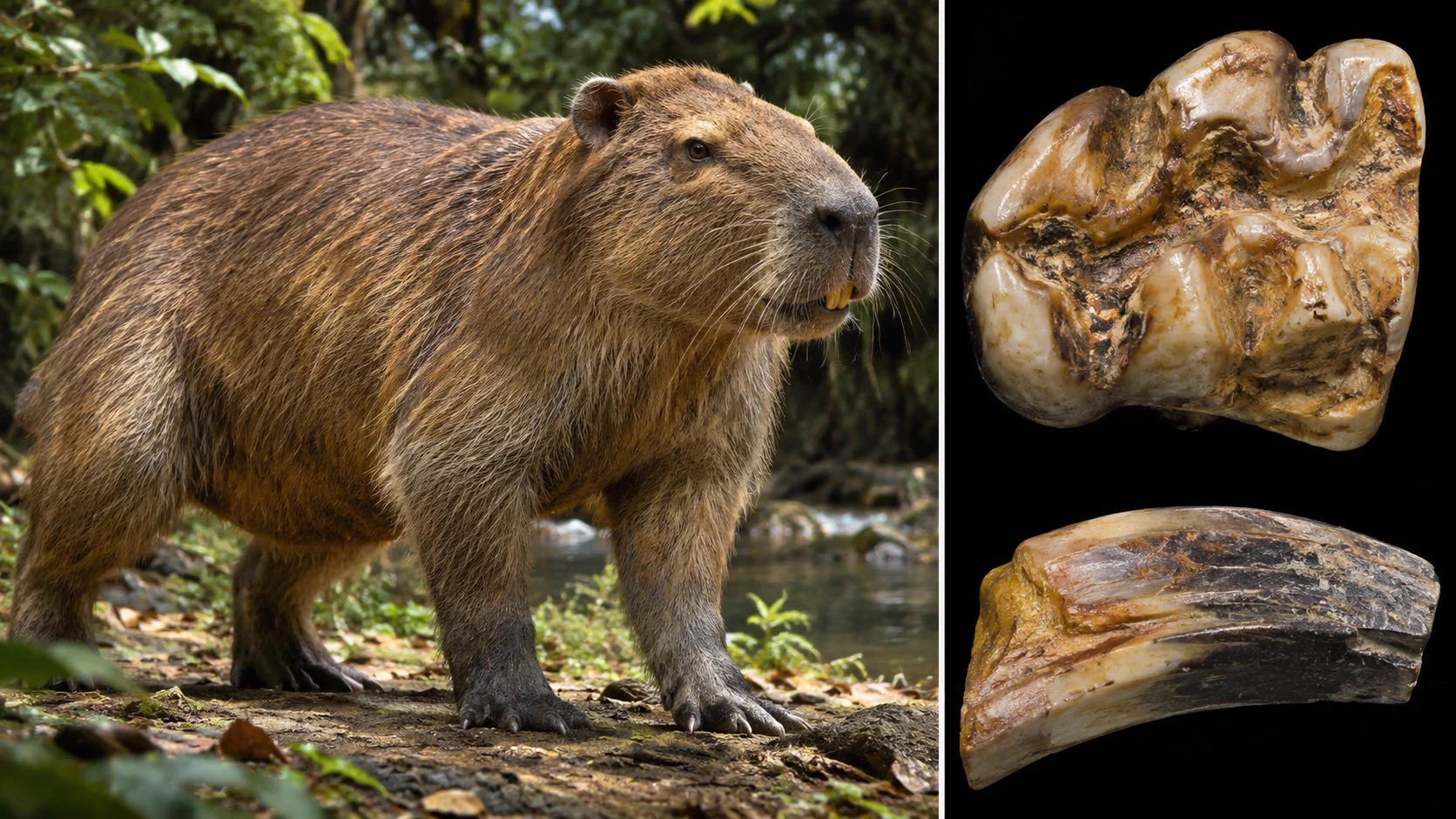
The important significance of this discovery is that it greatly advances the time when large rodents appeared. Scientists believe the new species is evidence of the perhaps long-underestimated role Southeast Asia played in the early evolution of large rodents. In other words, rodent gigantism did not only occur in South America, but had already occurred in Asia earlier.
There is a story behind this research that spans more than two decades. Related fossils were first discovered in Krabi lignite mines in 2004. One of the huge incisors was so large that the discoverers even mistakenly thought it was a fossilized bone. Due to the lack of sufficient comparative materials and research data at the time, scientists could not immediately determine its biological identity. After long-term research and further analysis, these two teeth finally revealed the existence of a new ancient giant rat.
The "Yak" in the new species' name comes from the Thai word meaning "giant", while "mys" comes from the Greek word meaning "rat". The species name "sirindhornae" commemorates Princess Sirindhorn, who has long supported Thailand's scientific research and paleontology.
The researchers said that this discovery not only enriches human understanding of ancient ecosystems, but also provides new important clues for exploring the evolution of rodent body size, species spread, and the prehistoric biodiversity of Southeast Asia. As more fossil evidence is discovered in the future, the scientific community is expected to further unveil the mystery of this ancient giant rat and its living environment.
Comments