
Abstract:
Swiss scientists have discovered that local barn owls are undergoing a concerning change. Over the past 30 years, the plumage color of these nocturnal raptors has gradually become more reddish-brown, and the number and area of black spots on their bodies has also increased significantly. By analyzing the genome data of more than 3,000 individuals, the researchers confirmed that this phenomenon is not a random fluctuation, but the result of natural selection at work.
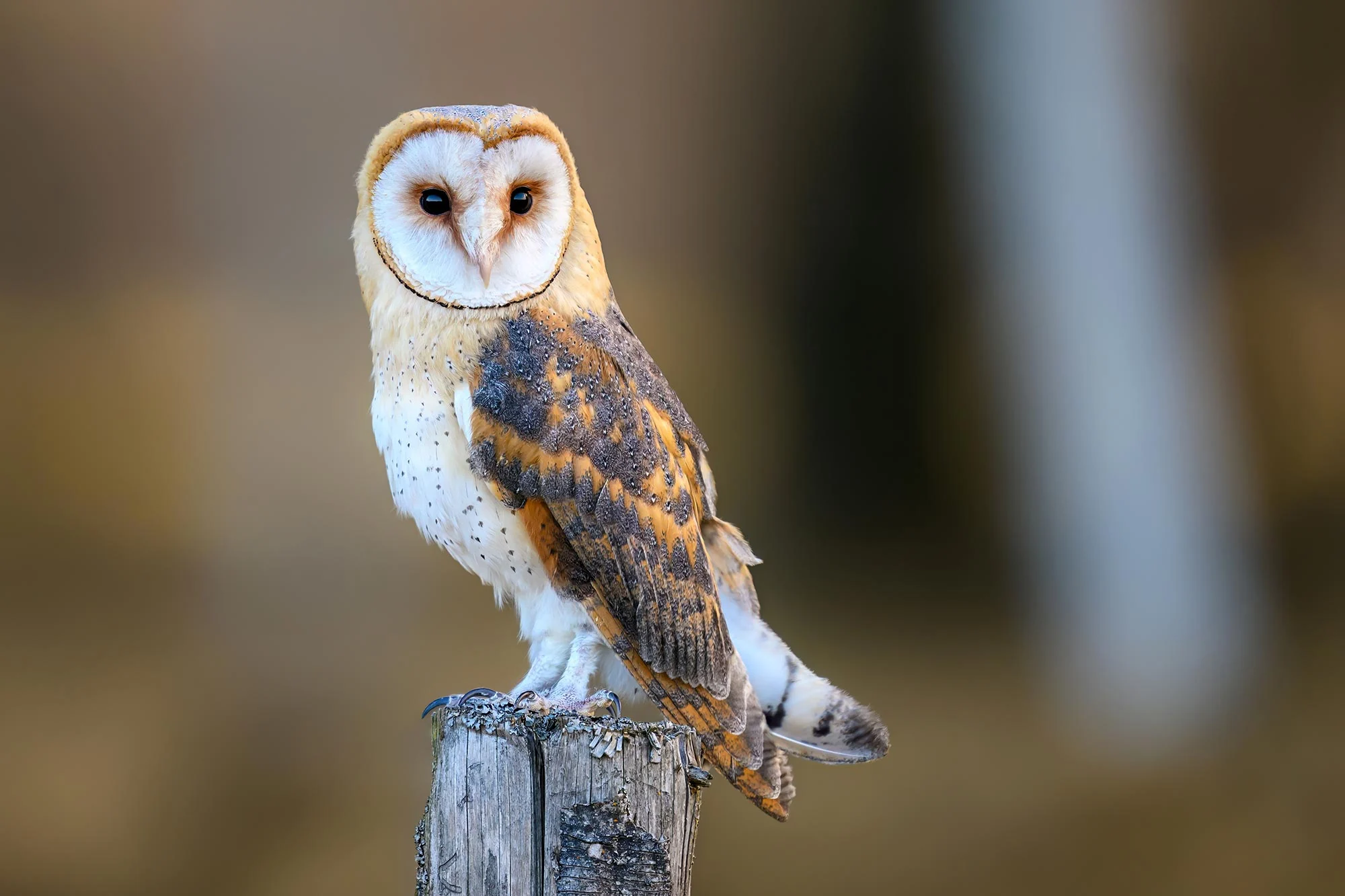
This study was completed by a research team from the Department of Ecology and Evolution of the University of Lausanne in Switzerland, and the relevant results have been published in the journal Nature Communications. Researchers say this is one of the most in-depth genetic studies of wild animal populations to date, and it also provides the scientific community with a rare example of observing real-time evolution in nature.
Barn owls are known for their heart-shaped facial disks, light-colored feathers and their ability to fly nearly silently. There is long-standing variation in plumage color between individuals, ranging from nearly pure white to dark reddish brown. Some individuals have only a few light spots on their chests, while others have more pronounced, dense black markings.
Previous research has shown that these appearance differences are not just aesthetic, but are closely related to survivability. Studies have found that feather color is linked to reproductive ability, hunting strategies and food sources. White owls, for example, are able to use moonlight as cover to increase their hunting success. Meanwhile, black spots on feathers are associated with immunity and stress resistance. Individuals with larger black spots appear to be better able to cope with stressful situations such as food shortages and parasite infestations.
To explore the reasons behind the changes in appearance, the research team used field observation data accumulated over decades to sequence the whole genomes of more than 3,000 barn owls and identify DNA variations associated with feather color and spot characteristics.
The researchers targeted several key genetic regions in their analysis. These include the MC1R gene, known to be involved in pigment formation, and a genetic region located on the sex chromosomes. The research team further clarified the specific effects of these gene regions on feather color and spot formation.
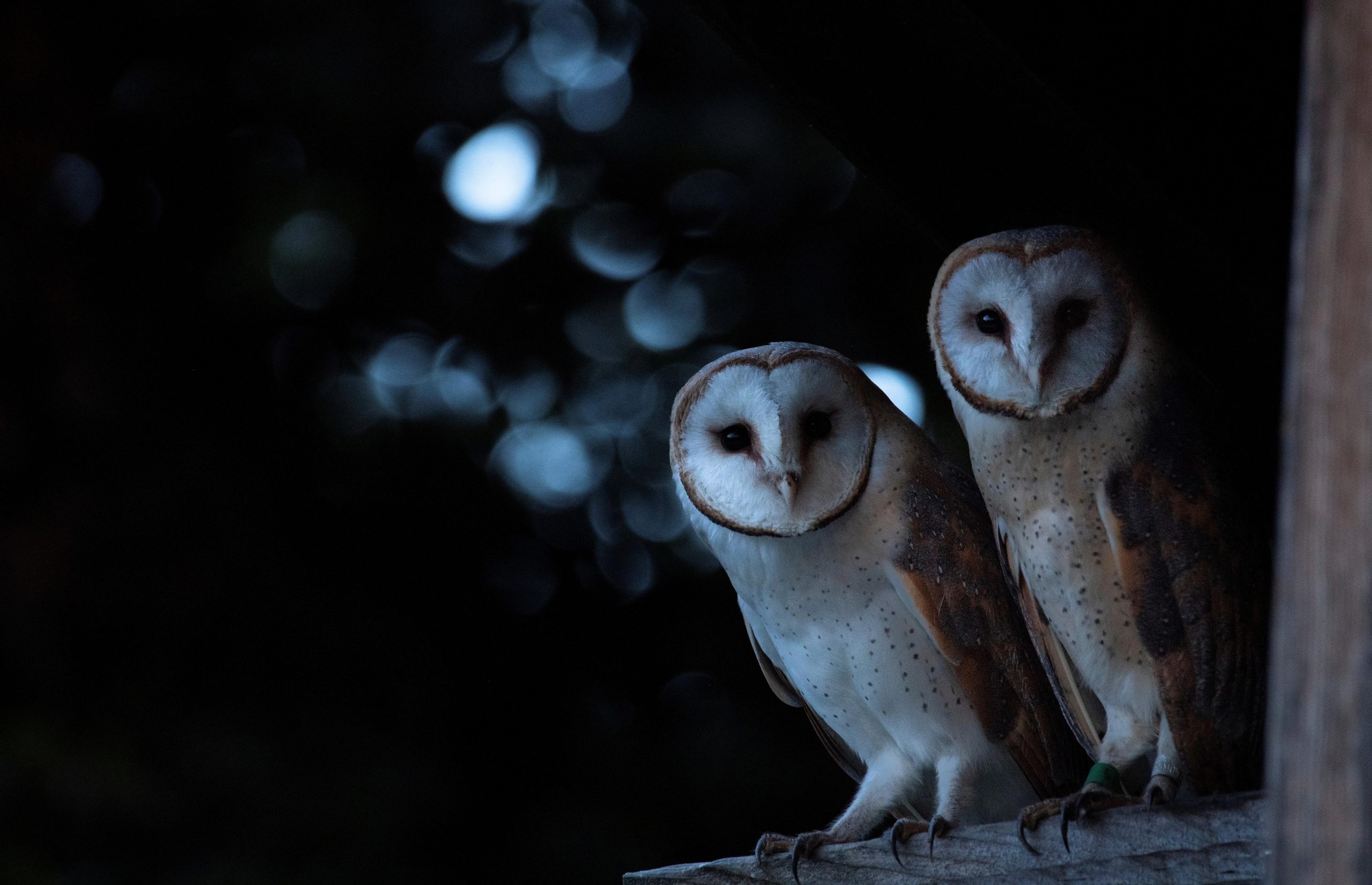
To determine whether these changes were random or driven by natural selection, scientists compared real-world observational data with the results of a large number of computer simulations. In a purely stochastic model of evolution, it is unlikely that some of the genetic variants associated with rufous plumage would have increased to the extent observed in reality. Only by adding natural selection factors to the model can the genetic change trends seen in actual populations be reproduced.
Tristan Kümmel, the first author of the study, said that compared with random evolution simulations, the frequency of a genetic variant related to reddish-brown feathers in real populations has increased far beyond what can be explained by chance factors, indicating that natural selection is actually occurring.
However, the researchers pointed out that what natural selection actually favors may not necessarily be the feather color itself. Because related genes may also influence stress management, immune responses, and even behavioral traits, it's possible that rufous feathers are simply a by-product of an indirect push by natural selection. In other words, it may be other biological abilities associated with these appearance traits that actually increase the survival advantage.
Although scientists have determined that natural selection is changing the genetic makeup of barn owls, there is still no clear answer as to which ecological and environmental factors are driving this evolution. Factors such as climate change, changes in prey structure, habitat adjustments and disease pressure may all play a role.
The research team believes that the significance of this result is not only to explain why owl feathers change color, but also to prove that evolution does not only occur in units of millions of years. Research shows that after only about ten generations of individuals, wild animal populations already have evolutionary signals that can be clearly captured by genomic analyses.
In the context of continuous changes in the global environment, this discovery also provides positive information to the scientific community, that is, some species may have the ability to adapt faster than previously thought, thereby being able to adjust their characteristics and improve their chances of survival under changing ecological conditions.
Comments