
Abstract:
As DIY peripherals and 3D printing culture continue to heat up, the field of gaming mouse modification is ushering in new innovative tools. Recently, a small 3D printing team called Unskilled Design released a project called MausStudio. The tool is still in the development stage, but its goal is very clear: to allow users to design their own gaming mouse shell according to their needs and have it produced through 3D printing.
In recent years, the mouse modding community has developed rapidly. Some brands, including Keychron, have begun to disclose 3D model files of their own mouse shells, while open source projects such as OpenMouse provide unified custom settings and key mapping solutions for different brands of mice. Against this background, MausStudio has become another new project that has attracted attention.
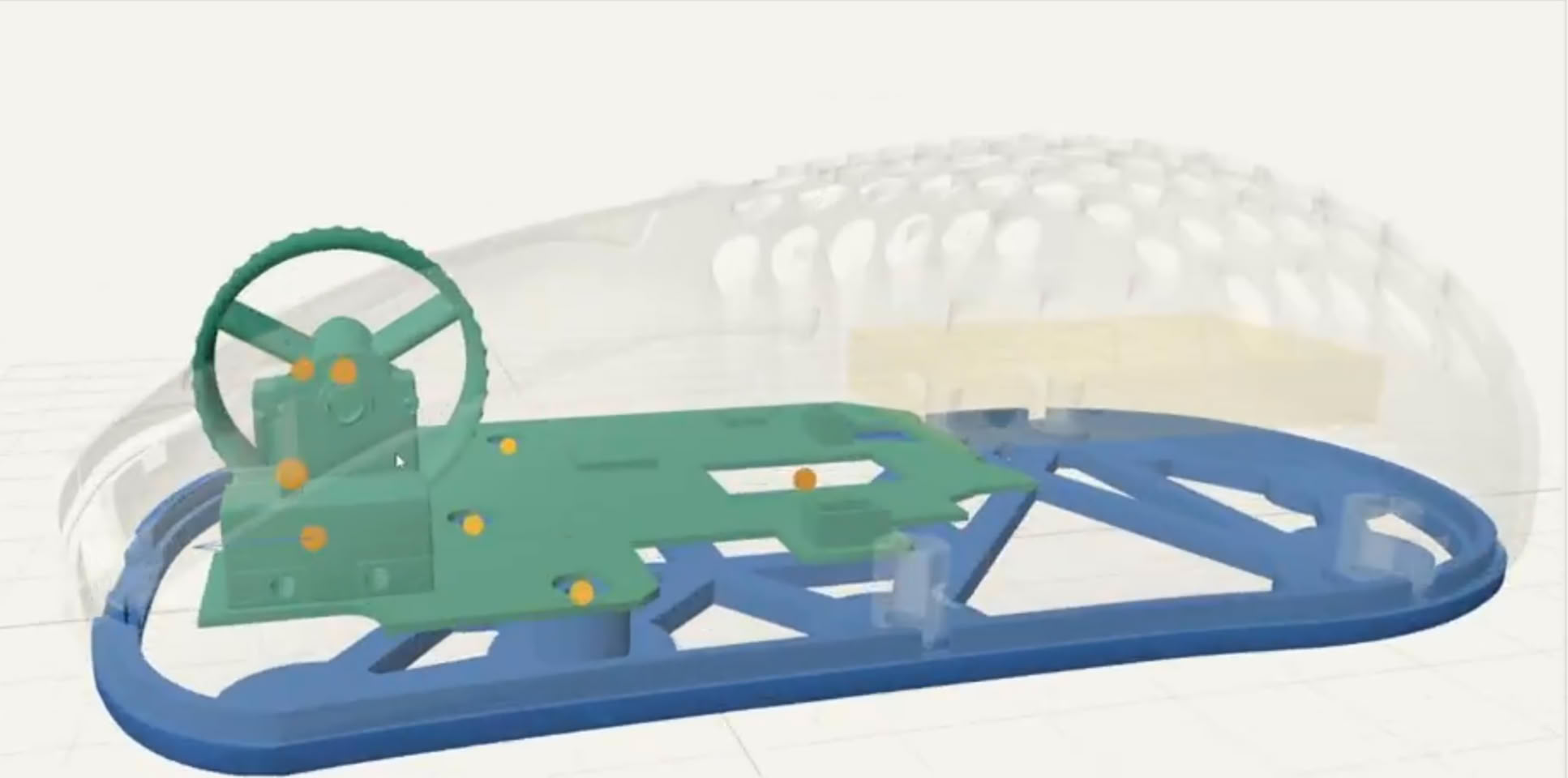
According to the demonstration video shown by the development team, users first need to import the STL model file of the existing mouse PCB circuit board, and then calibrate the positions of key hardware components, including screw holes, micro switches, rollers, and sensor positions. After completing these basic settings, the system can automatically generate an adapted mouse shell model based on the parameters entered by the user.
In terms of personalization, MausStudio provides a wealth of options. Users can adjust the basic dimensions of the mouse such as length, width, and height, and can further modify the location of the raised areas, choose a lightweight or solid bottom structure, set the battery mounting location, and add a honeycomb opening design to reduce the overall weight.
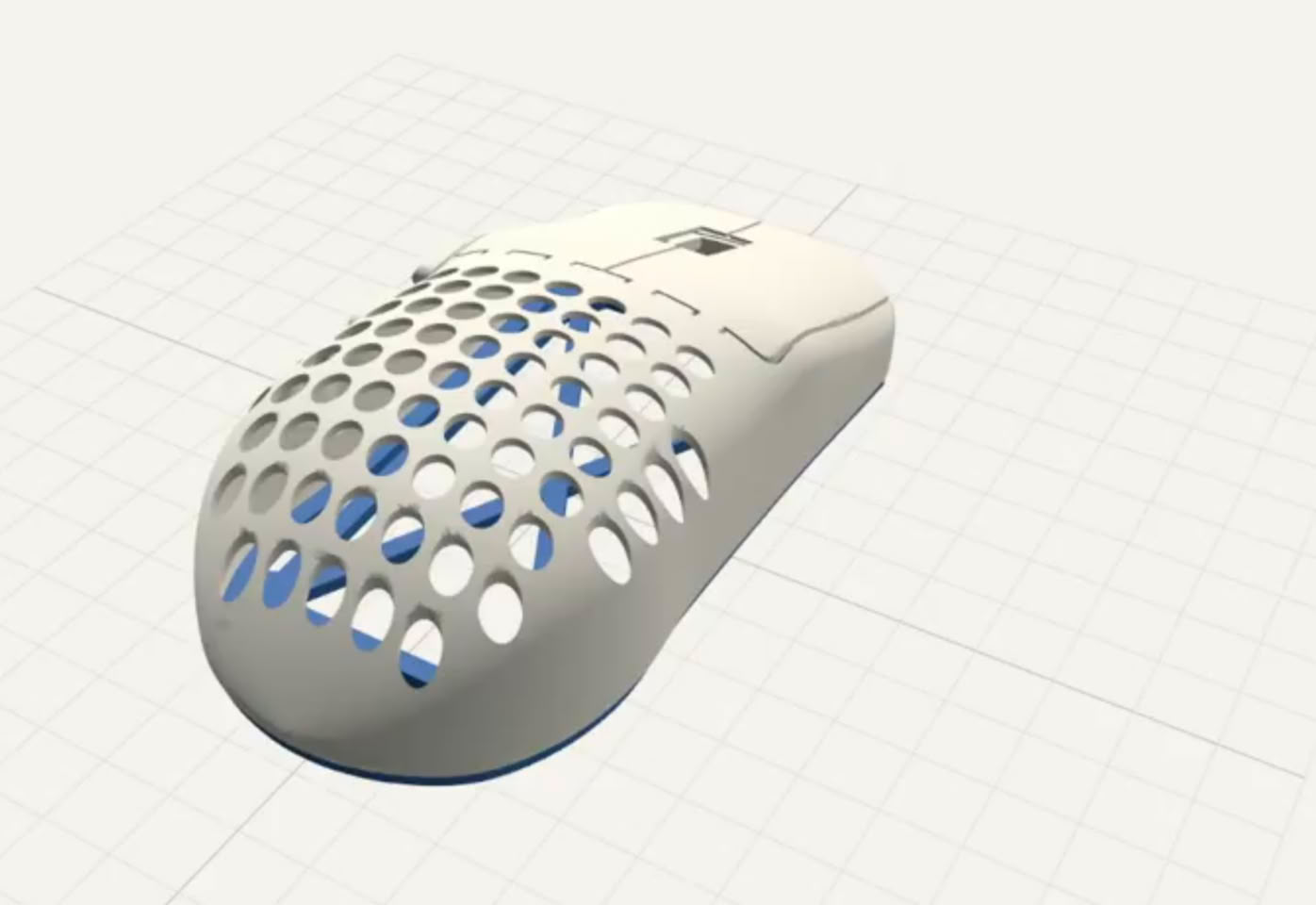
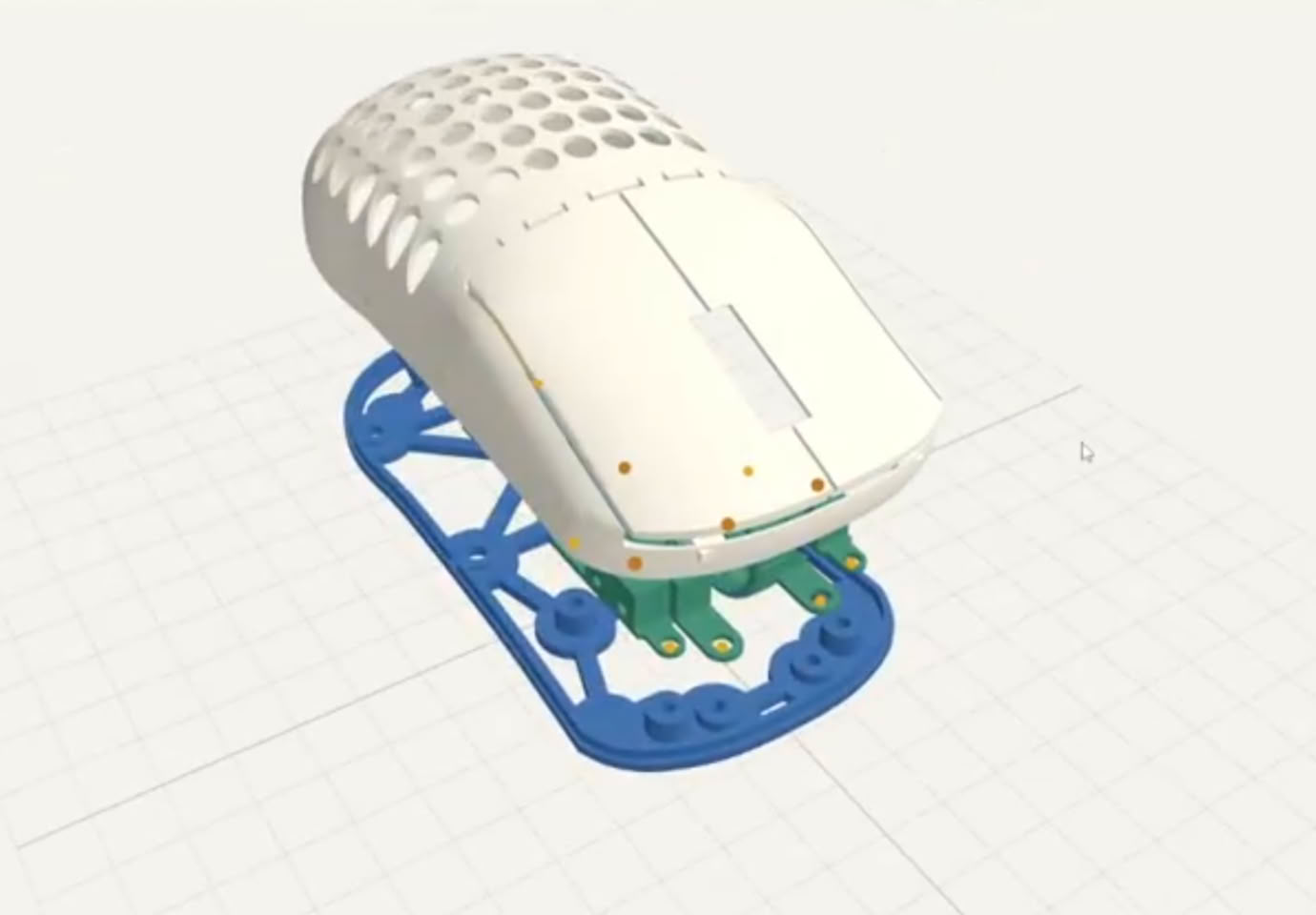
For players with special needs, this tool also supports side button layout design for left-handed users, allowing the mouse shape to better fit personal usage habits.
After completing the shell design, MausStudio can also automatically generate the screw hole positions required to install the PCB and create an opening structure suitable for rollers, thereby reducing the user's subsequent manual modification of the 3D model.
Project developer Bastian particularly emphasized that the model generated by MausStudio is not created by generative artificial intelligence, but is designed based on mathematical algorithms and parametric modeling technology. This means that users get an engineered model that accurately meets hardware and size requirements, rather than a randomly generated appearance design by AI.
However, MausStudio is still in the development stage. The development team has not yet announced an official release date, nor has it confirmed what business model it will adopt in the future. It is unclear whether the tool will eventually be launched as paid software or will be available to users in the form of a browser online tool.
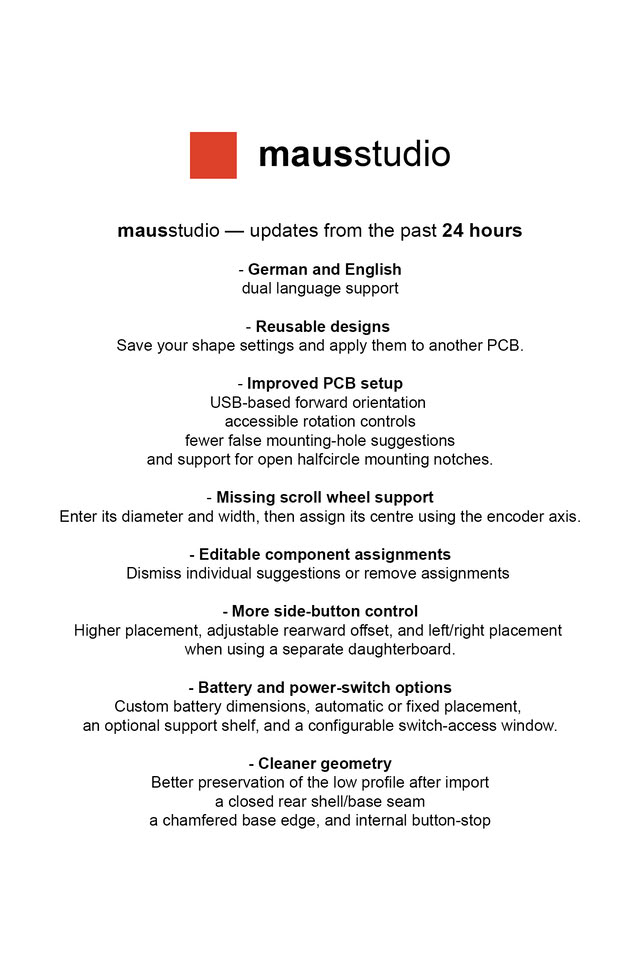
Although it is still some time before its official release, MausStudio has already demonstrated the great potential of parametric design combined with 3D printing in the field of exterior customization. For gamers who pursue the ultimate grip, lightweight design or personalized appearance, in the future they may no longer have to wait for manufacturers to launch the ideal model, but will be able to personally design and manufacture an exclusive gaming mouse that truly meets their needs.
Comments