
Abstract:
U.S. defense technology company Anduril Industries (Anduril) recently adjusted its commitment to the supply chain of its BlueChip notebook computers, stating that when the product is scheduled to be launched in 2027, the procurement cost of domestic parts will account for more than 65% to meet the relevant "Buy American" requirements in U.S. federal government procurement. However, just the day before, the company also stated that it was uncertain whether the first product could achieve this ratio, and revealed that the proportion of domestic parts in the prototype at this stage is only about 32%. The shift has raised concerns about its supply chain plans, production capabilities and the viability of its commitments.
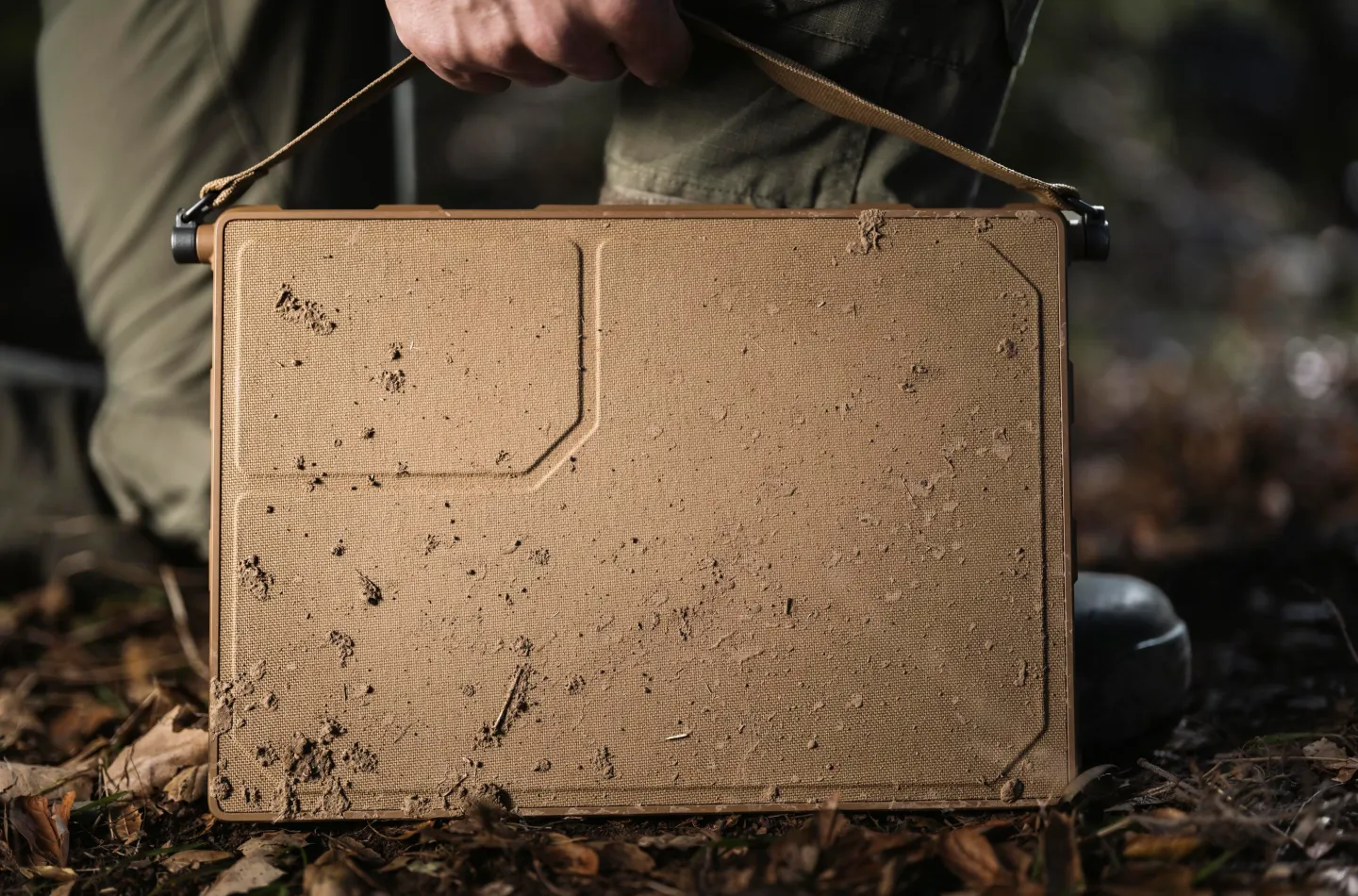
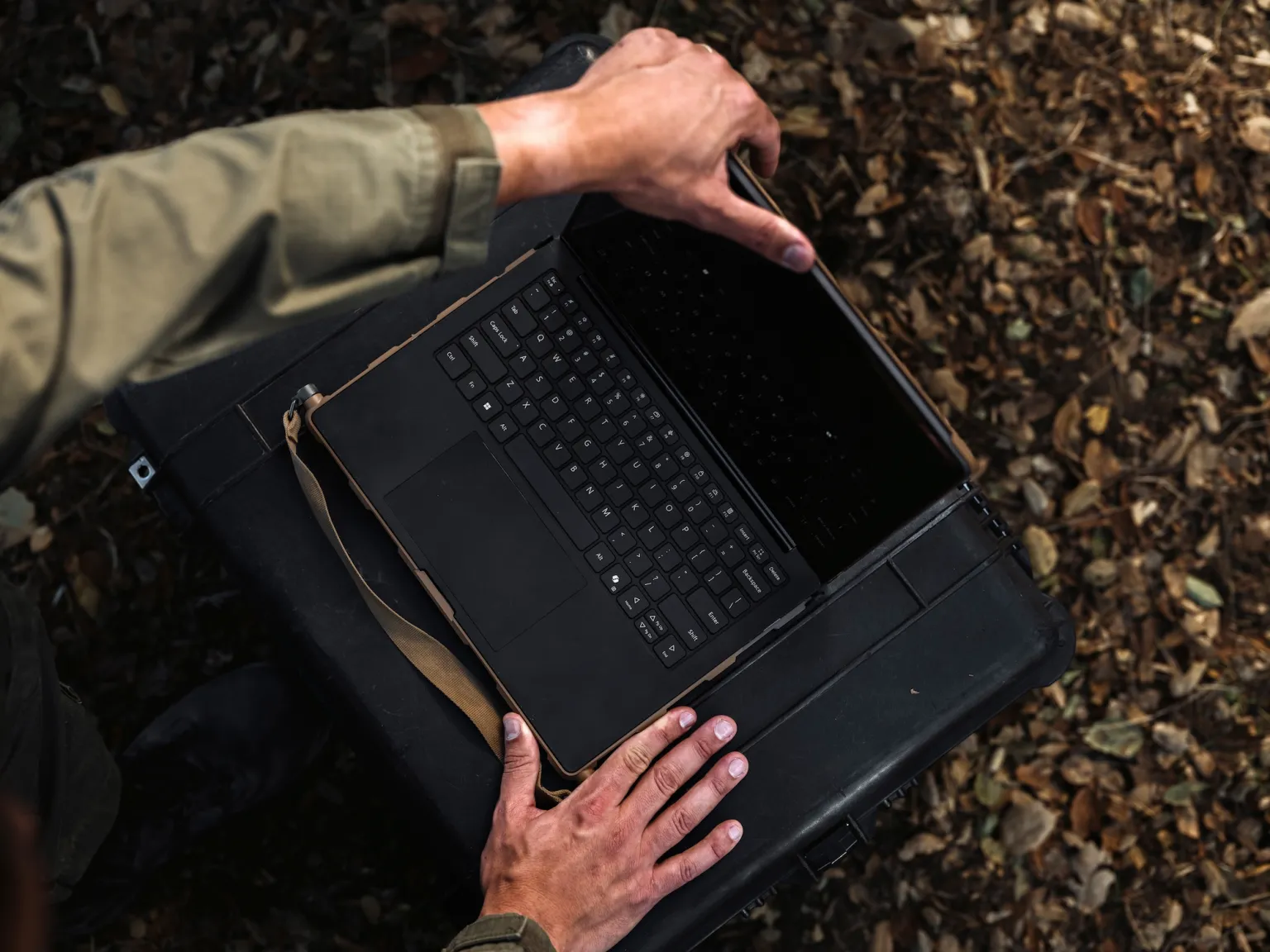
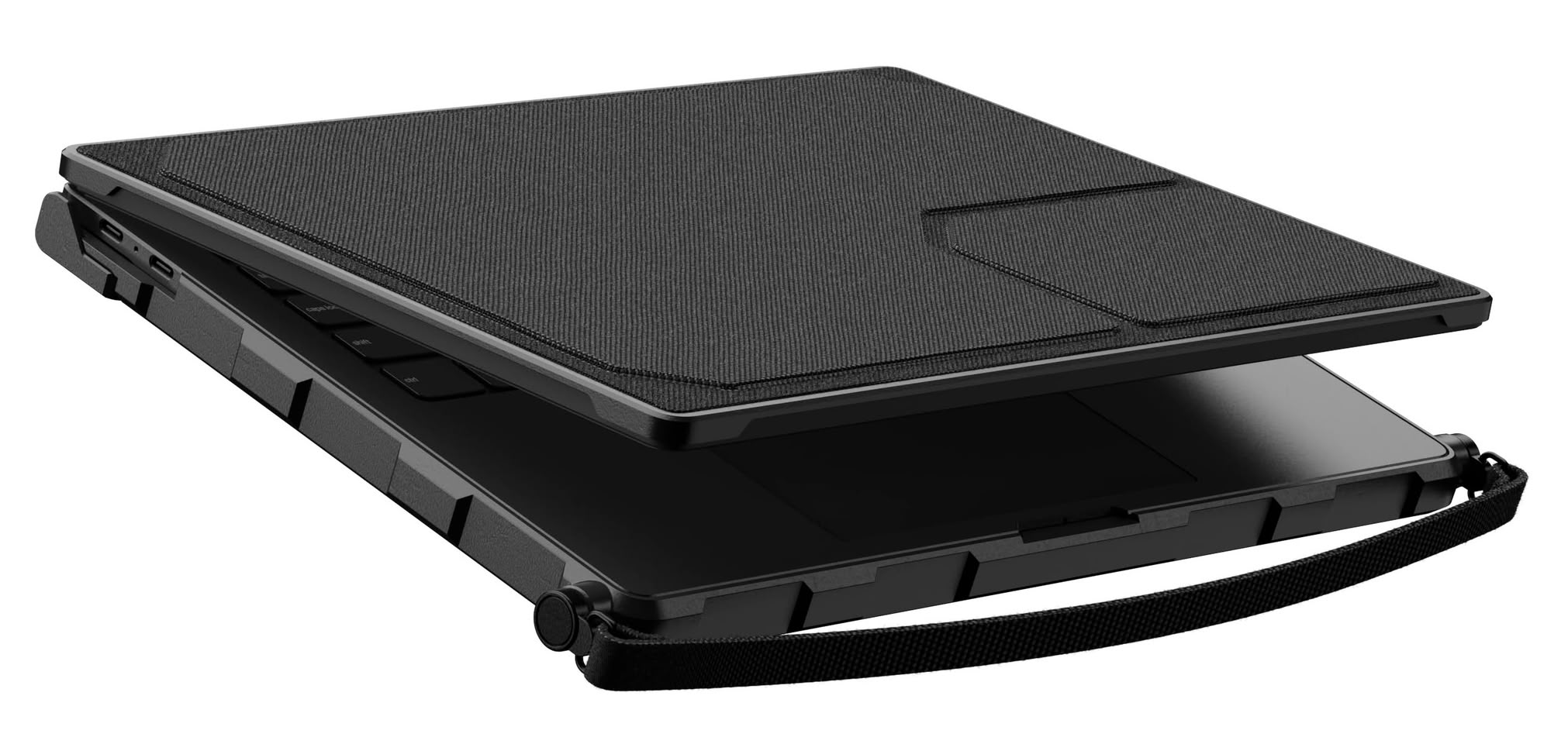
Anduril announced on October 27 that it would cooperate with Qualcomm to launch the BlueChip laptop product line. It plans to gradually rebuild the domestic computer manufacturing supply chain in the United States, starting with ruggedized laptops for the government, military and public security fields. The product will be equipped with Qualcomm Snapdragon X series processors and support local running of artificial intelligence models. Target users include the military, law enforcement agencies, emergency rescue agencies and other organizations that need to handle sensitive information.
Anduril founder Palmer Luckey previously said that the company hopes to eventually achieve localized production of everything from processors to batteries, displays and other components across the United States, and has developed a technology roadmap to gradually achieve this goal. However, when asked by the media how many parts of the first laptop will be produced in the United States when it is launched, Luckey initially did not give a clear proportion, but said that the specific number has yet to be determined.
Luckey explained at the time that the supply chain plan was affected by a number of factors, including when the domestic memory chip, CPU and GPU manufacturing capacity in the United States would reach scale, and whether a display panel production line could be established in the United States. He said that the company has determined local supply options for some parts, such as display cover glass and surrounding frames, but there is still uncertainty about whether other components can be made in the United States before the launch.
Subsequently, a spokesman for Anduril told the media that among the current prototypes, about 32% are from the United States in terms of parts procurement costs; if suppliers from the United States and its allied countries are combined, this proportion exceeds 90%. The company emphasized at the time that it was expanding local procurement and production capabilities, but it could not yet confirm whether the final U.S. content could reach 65% when it is launched in 2027.
In response, Shannon Pryor, vice president of Anduril Communications, stated on October 28 that the company’s previous reply was incorrect and clearly promised that BlueChip would exceed the 65% U.S. content threshold when it is launched in 2027. She said that reaching this standard is the core goal of the project, but the final proportion still needs to be further confirmed as suppliers are identified and prototype development progresses. The company plans to announce more information in 2027.
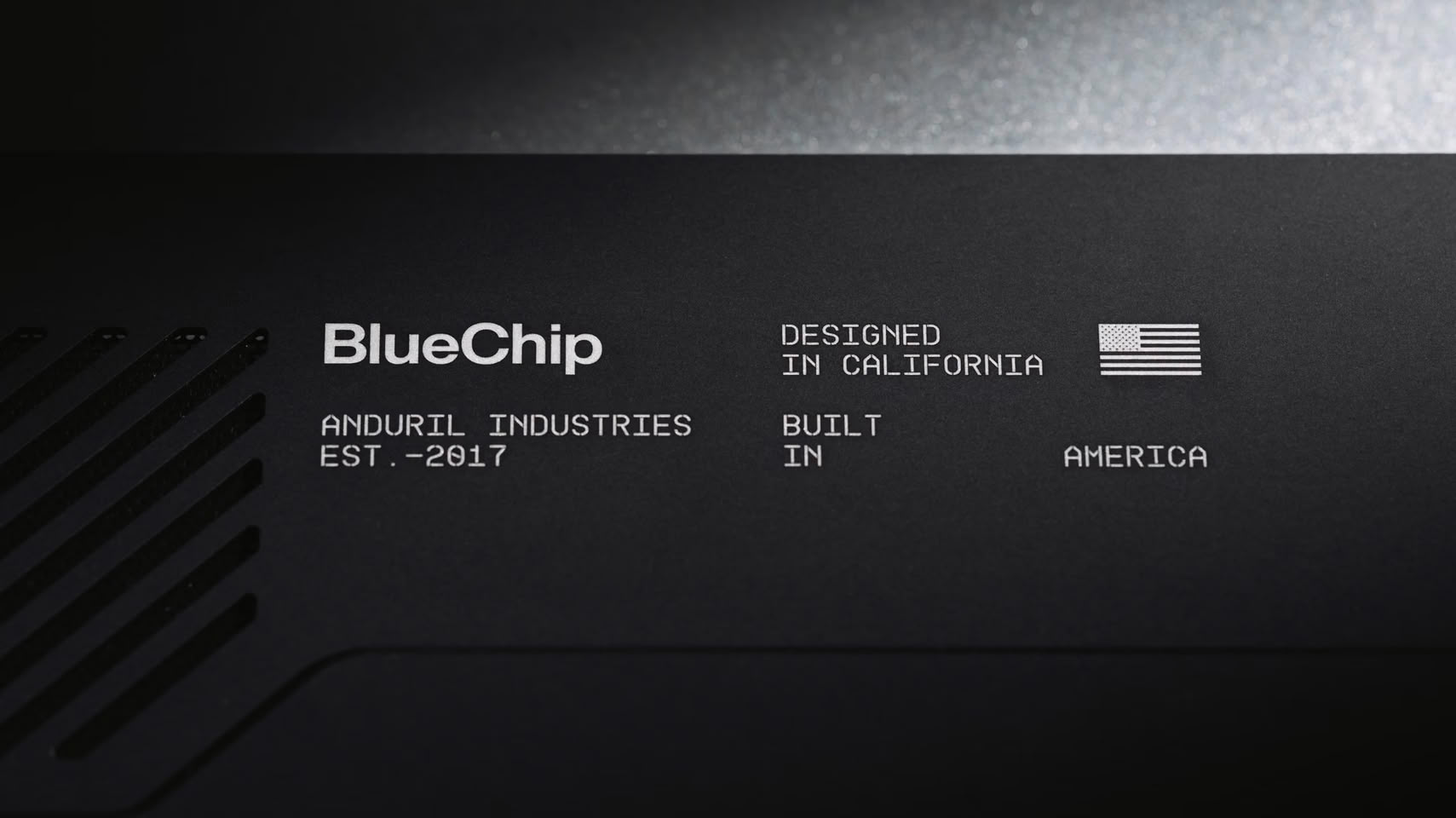
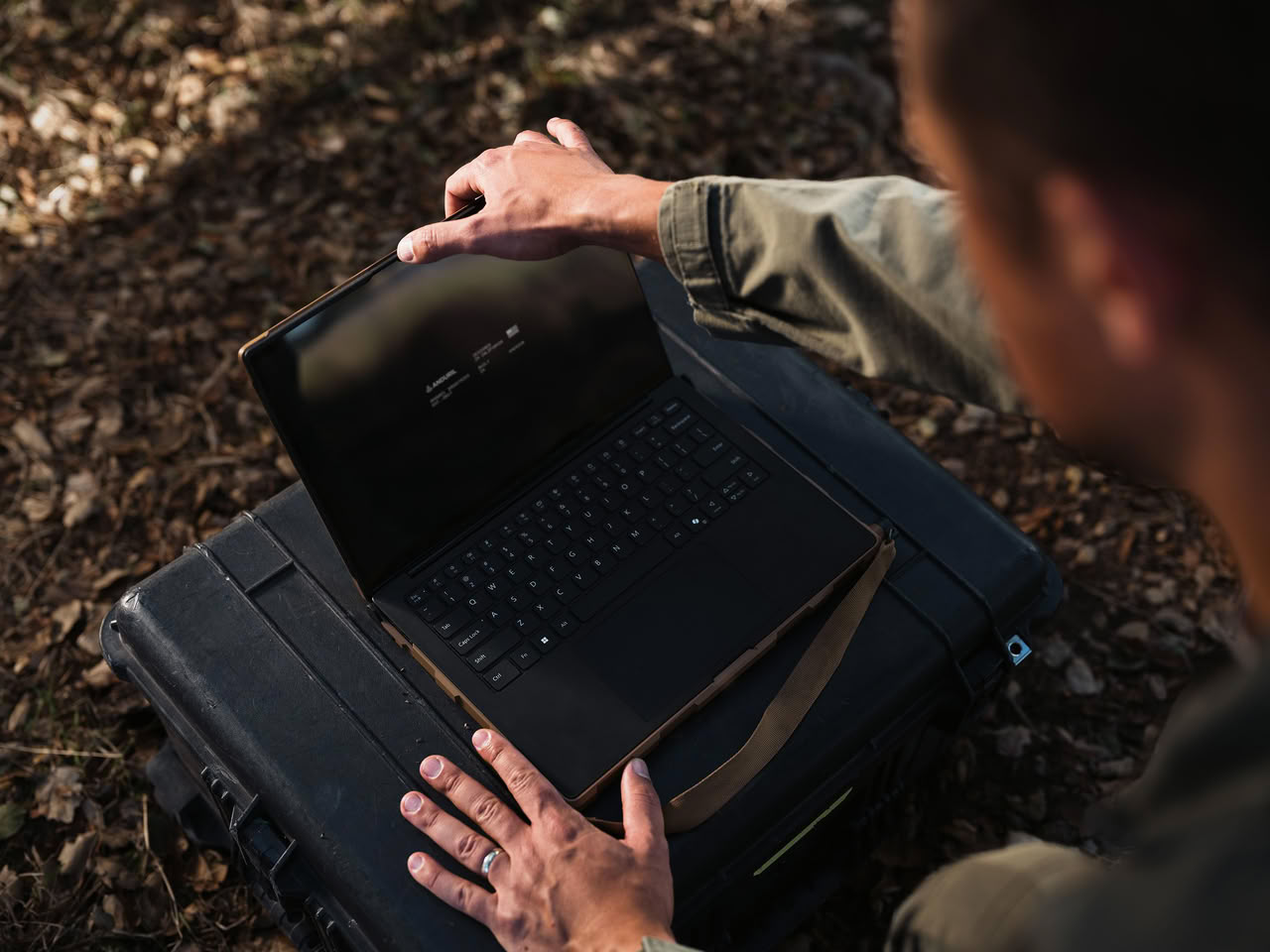
The reason why this ratio is important is related to the U.S. federal government procurement rules. The Buy American Act was enacted in 1933 and, after subsequent adjustments, required the local content of certain federally purchased products. According to current rules, the U.S. content threshold for relevant products is currently 65% and is planned to be increased to 75% in 2029. In purchases subject to the Act, products generally need to meet relevant requirements or be exempted by government agencies before they can be purchased.
Anduril founder Luckey has previously said that when purchasing computers, some U.S. government departments should give priority to products that meet local manufacturing requirements according to law, but in reality some purchases still rely on exemption arrangements. If BlueChip can meet the 65% local content standard when it is launched, it may provide government agencies with more computer options that meet relevant procurement requirements. However, whether you meet specific procurement qualifications still needs to be determined based on applicable rules, product classifications and relevant review procedures.
In order to increase the proportion of local parts and components, Anduril is advancing a number of engineering works. The company has been looking for U.S. suppliers for laptop cover glass and plans to develop batteries and power management systems that adapt to existing U.S. battery technology. The fuselage shell will be designed in a manner suitable for local processing in the United States, and the material selection will also consider metals that can be mass-produced and processed by the American industry.
In terms of some electronic components, Luckey said that the company is studying the use of field-programmable gate arrays (FPGAs) to implement the functions of certain power management chips and other circuits to reduce reliance on components that are difficult to purchase in the United States. FPGA is a type of integrated circuit that can change logic functions through programming. In some applications, it can replace dedicated chips to undertake specific tasks. However, whether it can meet the performance, power consumption, cost and reliability requirements of notebook computers still depends on the actual design.
The processor is provided by Qualcomm. Qualcomm CEO Cristiano Amon said that the Snapdragon processor used by BlueChip will be manufactured at TSMC's factory in Arizona, USA. This arrangement helps keep the manufacturing of key computing chips in the United States, but it still does not prove that the entire laptop has been completely localized based on the production location of the processor.
BlueChip plans to manufacture and assemble the laptops in the United States, with circuit board assembly expected to take place at Anduril's Arsenal-1 facility in Ohio. The company is also developing local production capabilities for body, battery components and other hardware, and gradually identifying suppliers that meet the requirements.
However, there is still a long way to go from assembling the complete machine to realizing a complete local supply chain. Modern laptops involve processors, memory, flash memory, display panels, batteries, printed circuit boards, and a host of passive components. The manufacturing of some components is highly concentrated in Asia, especially products such as display panels and memory chips. Even if the entire machine is assembled in the United States, it does not mean that all its key components come from the United States.
Anduril adopts a phased approach in project planning: first increase the proportion of domestic procurement and production in the United States, then gradually reduce reliance on overseas suppliers, and finally strive to achieve an end-to-end U.S. supply chain from parts to complete machines. The company believes that the design, supplier relationships and production processes developed for the first laptop can also be used in subsequent BlueChip products, thereby expanding U.S. computer manufacturing capabilities.
This plan also reflects the policy direction of the United States in trying to reduce the dependence of key technology supply chains on overseas manufacturing. For military and government departments, computers are not only office equipment, but may also undertake tasks such as sensitive information processing, communications, data analysis, and artificial intelligence reasoning. Government agencies may be at risk of unstable supplies of equipment if supply chains are affected by international conflicts, trade restrictions or logistics disruptions.
Anduril hopes to solve this problem with BlueChip, but the local content promise of its first product has yet to be verified in actual production. The current U.S. procurement cost of the prototype is about 32%, which means that the company needs to significantly increase the proportion of local procurement before mass production. At the same time, as the relevant threshold is planned to increase to 75% in 2029, even if the first product reaches 65%, companies will still need to continue to expand their supply chain capabilities to adapt to higher standards that may apply in the future.
At present, Anduril has not announced the final mass production configuration, specific parts list or complete local content calculation results. The company also did not explain in detail how it increased the local procurement cost of the prototype from 32% to more than 65% in less than two years. As the launch date approaches in 2027, supplier certification, production scale, cost control and local manufacturing capabilities of key components will become key factors in measuring whether the project can fulfill its promises.
The significance of the BlueChip project is not only to launch a laptop assembled in the United States, but also to try to rebuild a local computer industry chain covering key components. However, judging from the information disclosed so far, Anduril has clearly promised that the first product will meet the 65% domestic content requirement in the United States. As for whether it can further achieve complete localization, it is still a goal that needs to be gradually verified through long-term investment, technology development and supply chain construction.
Comments