
Abstract:
Instagram director Adam Mosseri recently stated that anxiety and resistance to artificial intelligence from all walks of life are rising, and this trend may further intensify in the next few years. In an interview with the Colin and Samir podcast, Mosseri was asked about the development of artificial intelligence and the phenomenon of students expressing dissatisfaction with technology industry executives at some college graduation ceremonies. He admitted that people who are anti-AI are not limited to young people or people working in creative industries, but are prevalent among broader social groups.
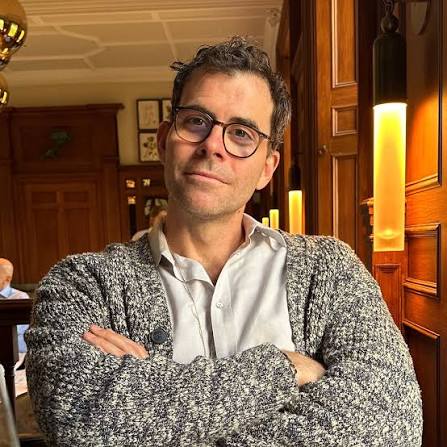
Mosseri believes that people’s anxiety, frustration and anger about artificial intelligence are growing, especially in the creative industries. He said the situation was "not only getting worse but will continue to get worse in the future". He predicts that social criticism and dissatisfaction with AI will further increase in the next few years. Some of these concerns have reasonable basis, but some concerns may not be completely founded. This situation will cause stress for many people, and it is not just the technology industry that will be affected.
When talking about how Instagram treats AI-generated content, Mosseri said that the platform will not lower the ranking of creators’ content solely because of their use of AI. However, he also pointed out that the quality of AI content varies greatly. There are both high-quality works and a large amount of low-quality content. He raised a practical question: Should AI content receive the same recommendation weight as non-AI content? His answer was "probably not."
Regarding the term "AI slop" that has been widely circulated in recent years, Mosseri believes that this label is being overused. He said that while it is true that there are a lot of shoddy AI works, not all AI-generated content should be simply classified into this category.
With the rapid popularity of generative AI, Instagram is also strengthening the management of related content. Earlier this year, the platform launched an identification system for AI accounts, and in August this year began to adopt stricter management measures for AI-generated character accounts. However, issues involving misleading content such as celebrity deepfakes remain.
Mosseri revealed that Instagram is now beginning to require AI accounts to actively tag their identities so that users can clearly understand whether the content they see is a real person or an AI-generated character. He believes that it is important for users to know the authentic source of content.
Mosseri has previously given a negative attitude to the question of whether AI content will be completely banned. He said that on a practical level, it is not feasible to completely ban AI content, so platforms need to explore other ways to manage related content instead of simply taking one-size-fits-all measures.
When talking about the sources of public concerns, Mosseri pointed out that people's concerns involve many aspects, including creators' concerns about their works being used to train AI models, users' concerns about security risks, and the anxiety of different professional groups about their jobs being replaced by AI. Whether you are a content creator, an engineer or a mathematician, you may face similar concerns.
In Mosseri’s view, one of the fundamental reasons why many people are uneasy about artificial intelligence is that they are worried about being left behind in the wave of technological change. As AI capabilities continue to increase, concerns about being replaced, marginalized, and losing competitiveness are becoming an important factor driving the rising negative sentiment in society.
Comments