
Abstract:
New news has recently emerged about the development progress of Samsung’s next-generation flagship mobile processor Exynos 2700. There are reports that this chip is close to or entering the stage of mass production, and is expected to become an important product in the Samsung Galaxy S27 series to expand the proportion of self-developed chips. At the same time, Samsung’s recent internal tests are said to show that Exynos 2700 has the ability to compete with Qualcomm’s next-generation flagship Snapdragon platform in multiple projects such as CPU, GPU, AI, and energy efficiency.
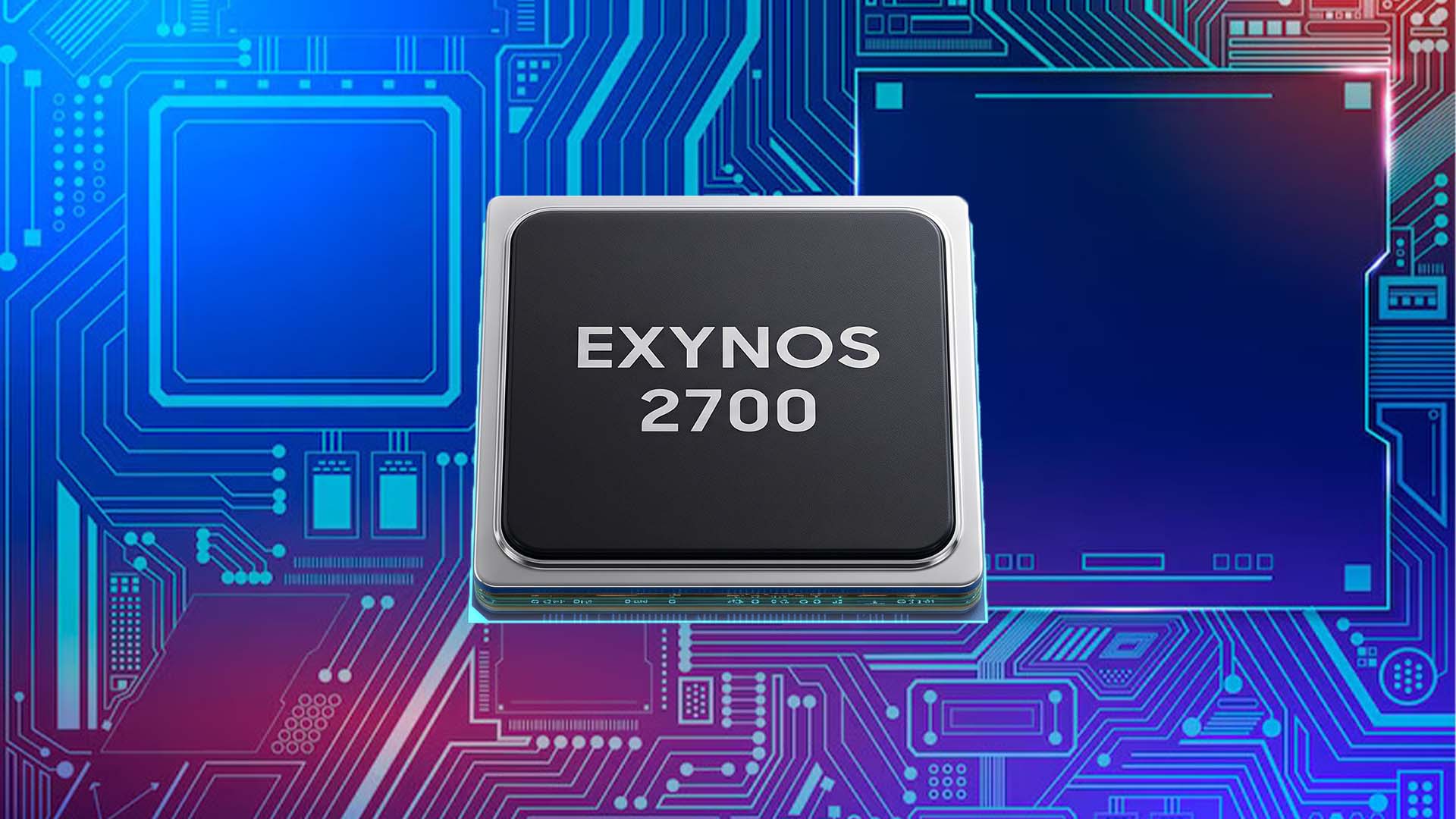
Exynos 2700 is internally codenamed "Ulysses" and is expected to use Samsung's second-generation 2nm GAA process, also known as SF2P. Compared with the first-generation SF2 process currently used in Exynos 2600, SF2P will further optimize the transistor structure, power supply and performance. Previously exposed information shows that Samsung initially set a target for SF2P to improve performance by about 12%, but subsequent roadmaps have increased the target to about 15%, while hoping to reduce power consumption by about 26%.
Judging from the current product progress, Samsung has significantly accelerated the development of Exynos 2700. Previous reports stated that Samsung’s System LSI department completed the design of the Exynos 2700 at the end of 2025 and produced the first batch of engineering samples in early 2026, which were then handed over to Samsung’s mobile business unit for testing in advance. Samsung has currently verified Exynos 2700 as an important platform for the Galaxy S27 series.
The latest industry news shows that Exynos 2700 plans to enter mass production in the second half of 2026. If this timetable is finally confirmed, it means that Samsung has prepared chip supply in advance for the mass production of the Galaxy S27 series.
One of the biggest technical changes of Exynos 2700 is the expected use of ARM’s new generation C2 series CPU core. Previously leaked information shows that it may continue to use a 1+3+6 ten-core design, including one ultra-large core, three high-performance cores and six performance cores. Compared with the C1 series cores used in Exynos 2600, the new generation architecture is expected to bring significant IPC improvements.
Currently circulating data shows that the maximum frequency of the Exynos 2700 may reach 4.2GHz, which is higher than the maximum frequency of the Exynos 2600 of approximately 3.8 to 3.9GHz. According to the calculations of some whistleblowers, its Geekbench 6 single-core score may reach about 4,800 points, and its multi-core score may reach about 15,000 points. However, these data are predictions, and there are currently no official Samsung benchmark results to confirm.
In terms of GPU, Samsung is expected to continue to use the Xclipse series of GPUs developed based on AMD Radeon architecture. Exynos 2600 already uses Xclipse 960 and is Samsung's first mobile GPU to use AMD's custom RDNA 4 architecture. Exynos 2700 is expected to be further upgraded on this basis while continuing to enhance graphics functions such as ray tracing.
The memory and storage subsystems may also receive upgrades. Exynos 2700 is said to support LPDDR6 and UFS 5.0, which means the chip’s data throughput capability will be further improved. The theoretical transmission rate of LPDDR6 can reach up to 14.4Gbps, which has greater bandwidth space than the LPDDR5X currently widely used in flagship mobile phones.
Another change that has attracted attention in the Exynos 2700 is the heat dissipation design. Samsung reportedly plans to adopt a new FOWLP-SbS packaging solution and introduce a unified Heat Path Block covering AP and DRAM, which is a unified heat conduction structure. Compared with the Exynos 2600's Heat Pass Block, the new design allows the heat generated by the chip and memory to be transferred more directly to the phone's cooling system.
The significance of this change is that Samsung has been facing power consumption and heating issues on high-performance Exynos chips in the past few years. Even if the processor itself can provide high peak performance, if the frequency is reduced due to excessive temperature during sustained high load, the actual user experience will still be affected. Therefore, whether the Exynos 2700 can solve the sustained performance problem may be more important than pure peak running score.
Samsung already uses Heat Pass Block technology on Exynos 2600. Relevant news said that this structure can significantly reduce the thermal resistance of the chip, and Exynos 2700 will further expand the thermal conduction coverage. If this design is finally implemented, Samsung may hope to improve the performance stability of flagship phones during long-term operation without adding active fans.
The current news about the performance of Exynos 2700 is also quite positive. In August 2026, Korean media quoted industry sources as saying that in Samsung's internal testing, Exynos 2700 surpassed Qualcomm's next-generation Snapdragon 8 Elite Gen 6 in multiple items such as CPU, GPU, NPU, and power consumption efficiency. However, these tests belong to Samsung's internal data, and the test environment, engineering sample version and specific power consumption limits have not been made public, so it is not yet possible to make a direct comparison with the final retail version of the chip.
Meanwhile, Samsung is reconsidering Exynos 2700 coverage in the Galaxy S27 series. Previously, the common news was that Exynos 2700 was mainly used in Galaxy S27, S27+ and S27 Pro models, and would be parallel to the Qualcomm Snapdragon version depending on the market. Markets such as the United States and China are expected to still adopt more Snapdragon versions.
But the latest Korean industry news shows that Samsung has even considered letting Exynos 2700 enter the Galaxy S27 Ultra. Samsung is said to have prepared motherboards for the Galaxy S27 Ultra equipped with Exynos 2700 and is coordinating supply with System LSI and mobile business units. If eventually implemented, this will mean that Samsung’s flagship Ultra model will once again use Exynos processors in some markets since the Galaxy S22.
However, this does not mean that the Galaxy S27 Ultra will use Exynos 2700 globally. The current news is still a dual-track strategy of using different chips in different markets. Markets such as the United States may continue to use Qualcomm platforms, while Exynos versions may appear in some markets such as South Korea and Europe.
If the Exynos 2700 can eventually reach the level shown by Samsung's internal testing, then it will make obvious business sense for Samsung to expand the proportion of self-developed chips. Samsung is currently not only a Galaxy mobile phone manufacturer, but also an Exynos chip designer and an advanced process wafer foundry. Increasing the proportion of Exynos used in Galaxy can reduce the purchase of Qualcomm mobile platforms while improving the capacity utilization of its own System LSI and Foundry businesses.
More importantly, Exynos 2600 itself has become an important commercial verification product for Samsung's 2nm GAA process. Samsung is currently gradually improving the yield and stability of the SF2 process through Exynos, while Exynos 2700 further assumes the task of verifying the SF2P process. If the chip can meet expectations in terms of performance, power consumption and yield, it will also help Samsung promote the second-generation 2nm GAA technology to other chip customers.
However, there is still a key uncertainty in the Exynos 2700, which is the actual yield of Samsung's 2nm process. Although Exynos 2600 has been officially mass-produced, the outside world has been paying attention to Samsung's 2nm GAA yield and production capacity issues. Industry sources say that the supply ratio of Exynos 2600 in the Galaxy S26 series is still limited by yield. Therefore, whether Samsung can further increase production on Exynos 2700 will directly determine whether it can replace Qualcomm's solution on a large scale.
Judging from the current route, Samsung obviously hopes that Exynos 2700 will become an important turnaround opportunity. Exynos 2600 is responsible for completing the commercialization of Samsung's first 2nm GAA mobile chip, while Exynos 2700 further upgrades the manufacturing process, CPU architecture, GPU, memory, packaging and cooling technology. If these improvements can be realized at the same time, the gap between Samsung's self-developed flagship chips and Qualcomm Snapdragon may be further narrowed.
Currently, Samsung has not announced the complete specifications of the Exynos 2700, nor has it confirmed which Galaxy S27 models and markets it will eventually be installed on. Therefore, information such as the 4.2GHz frequency, approximately 4800 single-core and 15000 multi-core results, LPDDR6, UFS 5.0 and Galaxy S27 Ultra version should currently be regarded as revelations or industry news. The real performance and power consumption still need to wait for Samsung’s official release and actual testing of retail equipment to confirm.
Comments