
Abstract:
Joe Lonsdale, a well-known venture capitalist in Silicon Valley and co-founder of Palantir, publicly made sharp remarks in an exclusive interview, accusing some leading artificial intelligence companies of deliberately hyping and exaggerating the doomsday narrative that AI may lead to the "destruction of mankind" in an attempt to lobby policymakers to introduce strict regulatory bills, thereby building monopoly barriers that benefit existing industry giants.
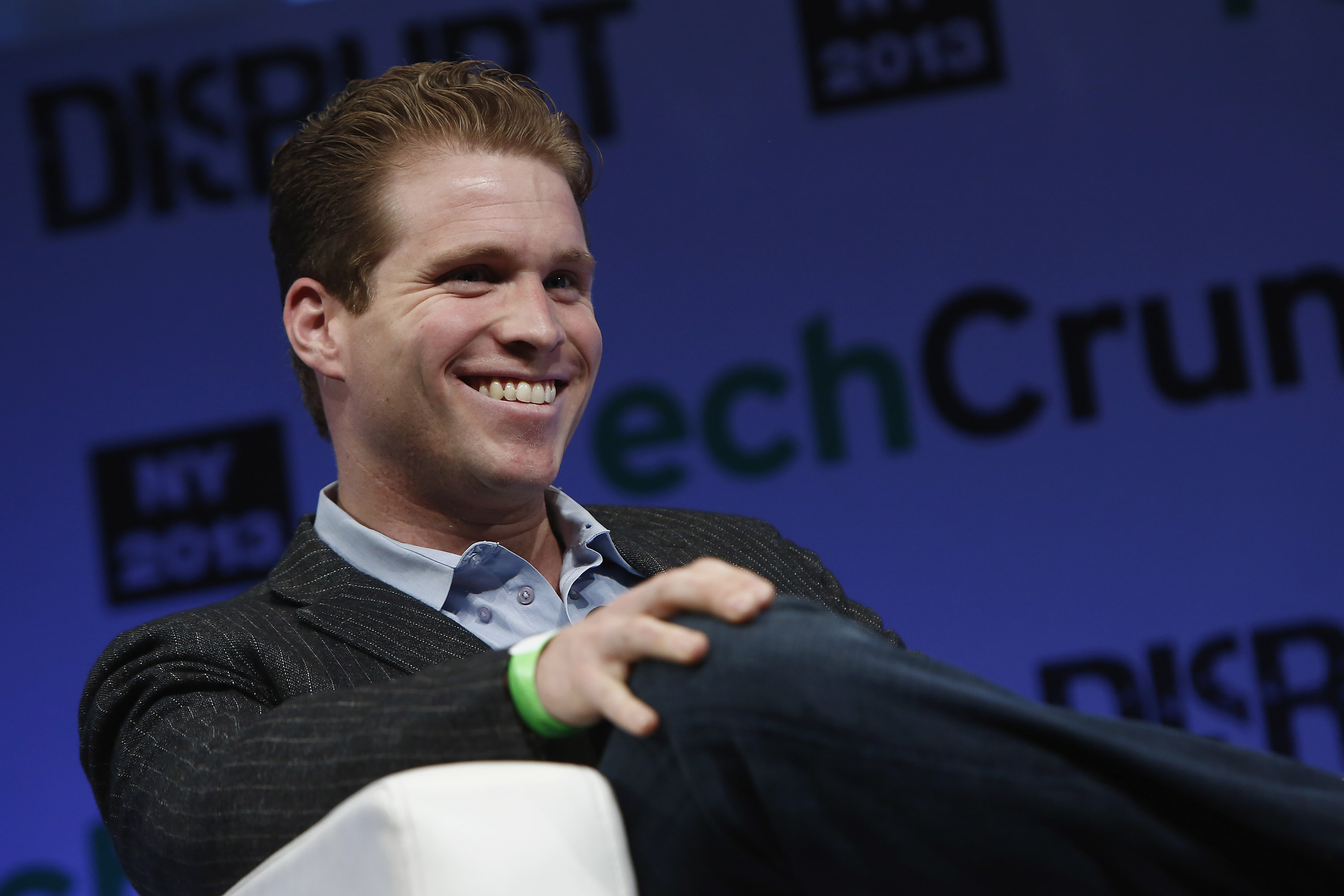
8VC, founded by Lonsdale, is an early investor in many leading AI companies such as Anthropic. Although his portfolio includes a large number of top model developers, he expressed strong doubts about the "extinction risk" narrative of artificial intelligence currently prevalent in Silicon Valley. He believes that the so-called "AI destroys mankind" has been highly dramatized and exaggerated to a large extent. This doomsday warning is not entirely out of public interest, but is a political rhetoric used by some leading companies to protect their vested interests.
In an in-depth analysis of industry lobbying strategies, Lonsdale pointed out that when giants that have established industry leadership continue to exaggerate the extreme potential harm of AI superintelligence to Congress and the public, the political world will usually instinctively tend to formulate extremely complex entry thresholds, compliance approvals, and licensing mechanisms. The actual effect of such stringent regulations is not to truly eliminate technical risks, but to directly stifle the living space of small and medium-sized start-ups and the open source software ecosystem, because only large companies with tens of billions of dollars in capital can afford the high legal compliance costs.
Lonsdale called on lawmakers and the public to keep a clear head and not be swayed by exaggerated existential fears. He emphasized that the focus of regulation should be on specific, clear and immediate issues, such as algorithmic bias, data infringement, deep forgery and the cybersecurity of critical infrastructure, rather than stifling open innovation and a fair playing field in the entire technology ecosystem to prevent distant doomsday scenarios that lack scientific evidence support.
Comments