
Abstract:
Members of both parties in the U.S. Congress are pushing for a new legislative proposal that hopes to restrict data center equipment and related technologies from China from entering sensitive U.S. government systems. This move is seen as the latest move by the United States to strengthen security review in the fields of artificial intelligence and critical digital infrastructure.
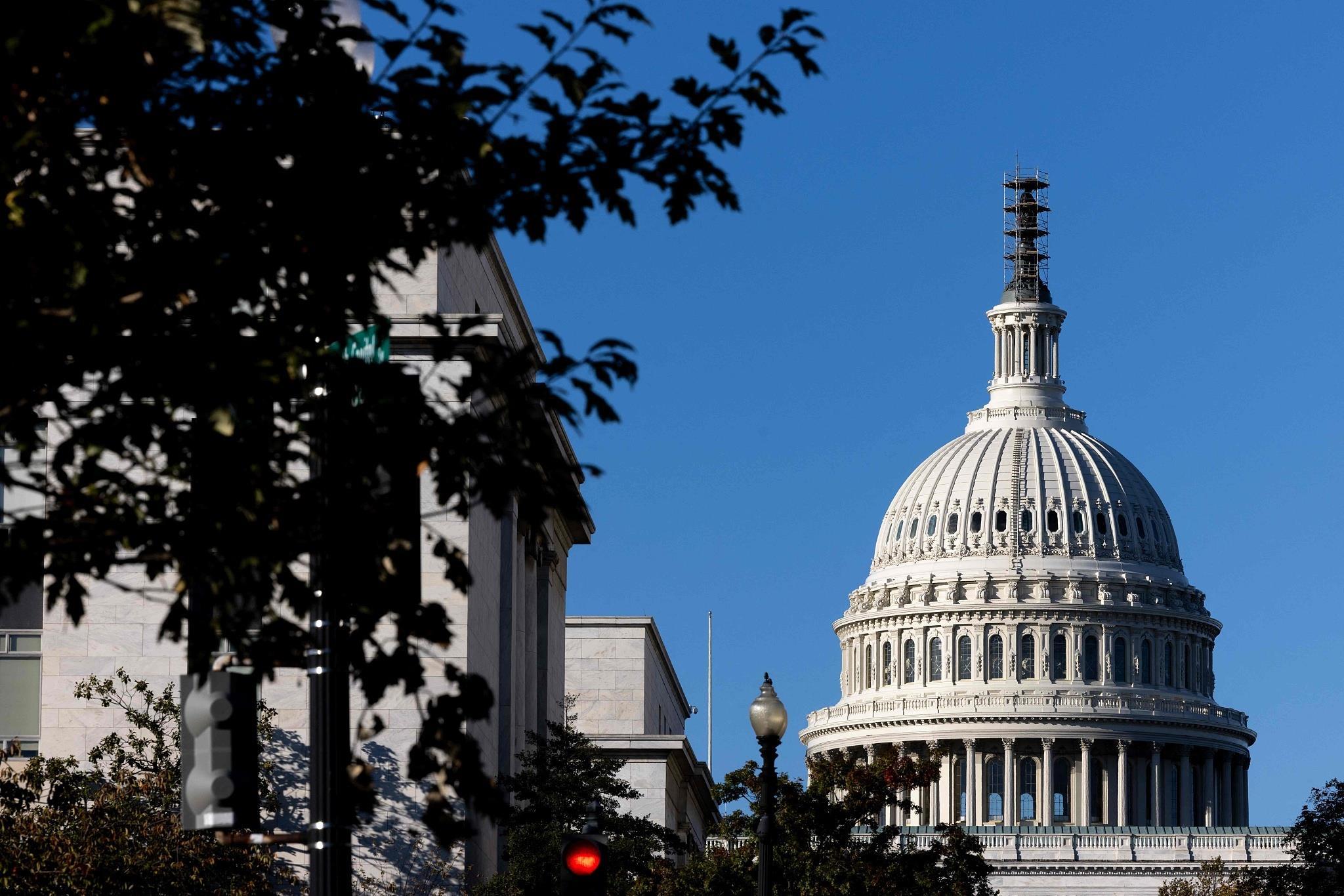
According to the content of the bill being discussed, U.S. federal agencies will be required to conduct more stringent scrutiny of the data center hardware supply chain in the future and restrict the use of Chinese-related technologies that are identified as posing security risks. Promoters of the legislation believe that as artificial intelligence, cloud computing and government digital services increasingly rely on data centers, servers, network equipment, power management systems and data infrastructure are becoming important components of national security.
Members who support the bill said that in the past few years, the United States has adopted similar restrictive measures on communication equipment, surveillance systems and some key technology supply chains, and data center infrastructure is now also included in the focus. They worry that some technology products from foreign competitor countries may be used to obtain sensitive data, affect the operation of key systems, or create supply chain dependence risks in the future.
The proposal focuses on not only traditional server equipment, but also network switching equipment, energy control systems and some key components that support artificial intelligence computing infrastructure required for data center operation. With the rapid expansion of AI applications, the demand for large data centers and high-performance computing capabilities from U.S. government departments has also continued to grow, drawing more attention to related security issues.
Supporters of the bill believe that data centers in the artificial intelligence era are no longer just commercial facilities, but an important part of the national digital infrastructure. In the future, government systems, large databases, national security projects, and critical public services will be highly dependent on the operation of these facilities, so the source of related equipment and the security of the supply chain must be strictly regulated.
At the same time, some industry insiders have warned that overly strict restrictive measures may lead to increased procurement costs and increase the difficulty of construction of some projects. Since the global data center industry chain is highly internationalized, with many equipment and components coming from multiple countries and regions, how to define the scope of restrictions will become an important challenge in the implementation of legislation.
In recent years, the United States has introduced a series of regulatory measures around semiconductors, artificial intelligence, cloud computing and key technology supply chains. At the same time, China is also promoting the development of local data centers, artificial intelligence infrastructure, and high-performance computing industries. As the technological competition between the two sides continues to deepen, the policy game surrounding digital infrastructure security is expanding to wider areas.
Analysts believe that this bill not only reflects the U.S. government’s emphasis on data center security issues, but also shows that competition in the artificial intelligence era has further extended from the chip and software level to the underlying infrastructure construction field. In the future, data center equipment, power supply systems, network architecture and AI computing platforms may become new focuses of global technology competition and regulatory attention.
Comments