
Abstract:
Michael Dell, chairman and CEO of Dell Technologies, recently stated that the current tight memory supply situation sweeping the global semiconductor industry is far from over, and the situation is expected to worsen in 2027. As the construction of artificial intelligence data centers continues to accelerate, the supply of DRAM and high-bandwidth memory (HBM) is under increasing pressure.
Michael Dell pointed out in an interview that the biggest problem facing the company is not insufficient market demand, but limited supply of key components. Currently, Dell still has approximately US$95 billion in AI server orders that have not yet been delivered, setting a record for the highest backlog in the company's history. The core factor that hinders the conversion of these orders into revenue is insufficient memory supply.
He said that AI accelerators require a large number of HBM chips to support computing, and the servers that build these systems still need to be equipped with traditional DRAM. Both types of products are facing supply constraints at the same time, putting the entire industry chain under tremendous pressure.
What worries the industry even more is that new production capacity will be difficult to release in the short term. Michael Dell pointed out that it usually takes about four years to complete a new memory wafer fab and put it into mass production. This means that even if manufacturers start planning to expand production now, it will be difficult to provide enough new production capacity before 2029 to 2030.
This judgment echoes the views of many industry chain companies. Micron executives have previously stated that the tightness of memory supply from 2027 to 2028 may exceed this year; SK Hynix management also predicted that the imbalance between memory supply and demand may continue until around 2030.
Faced with the continued tight supply environment, Dell is adopting a more prudent procurement strategy. According to reports, the company tries to purchase DRAM as close to the final assembly stage as possible to reduce inventory risks while locking in future production capacity through long-term supply agreements. However, it is unclear to the outside world to what extent these measures have been specifically applied in the consumer product business.
In fact, ordinary consumers have begun to feel the knock-on effects of tight supply. In the past year, memory prices have risen sharply, affecting many segments of the DIY computer market. As costs continue to rise, machine manufacturers and hardware manufacturers are also forced to readjust product pricing strategies.
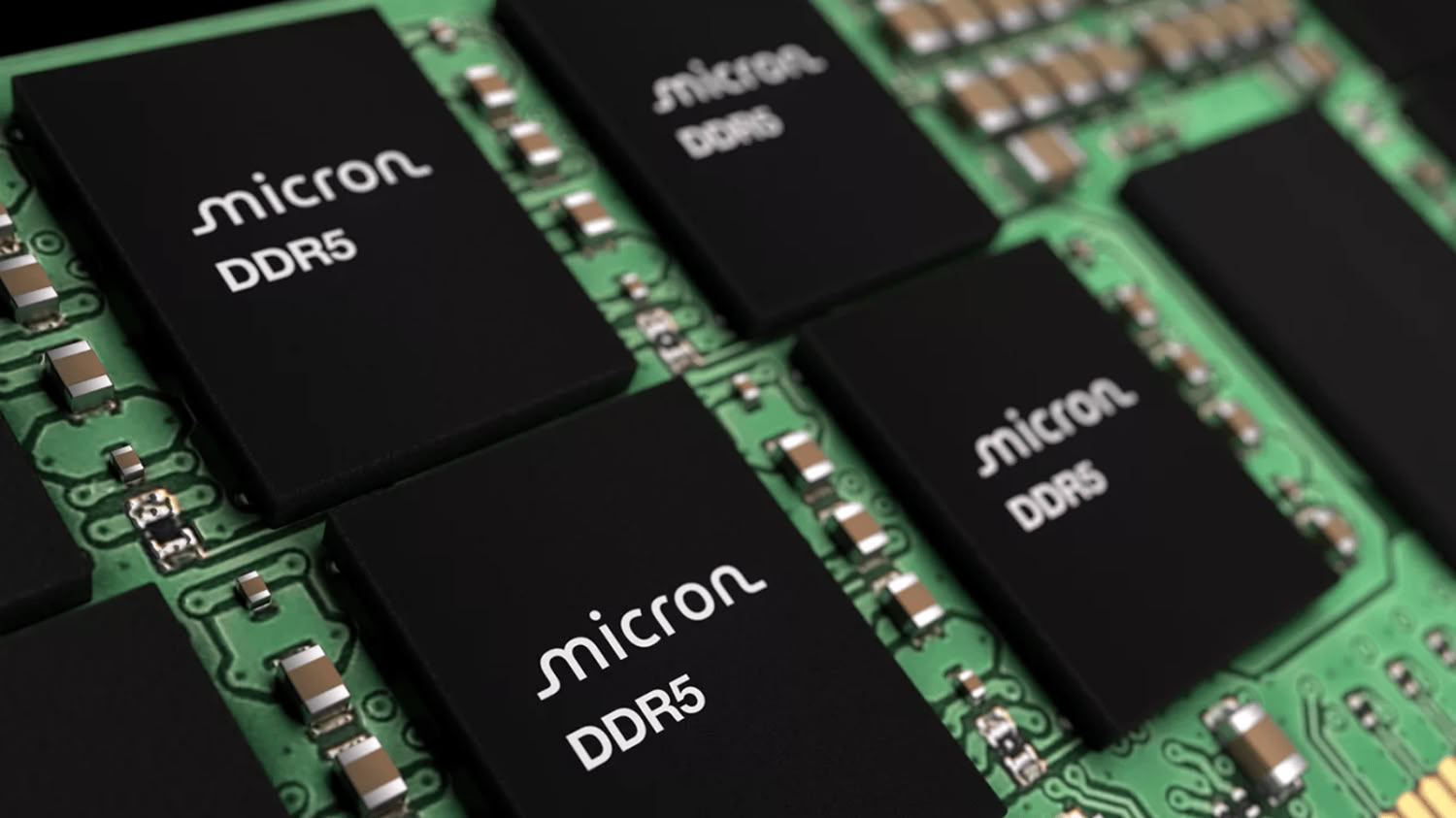
Dell has previously raised the prices of some PC products, and there has been news of rising prices for monitor products in the market recently. Analysts believe that if the memory supply situation worsens further in 2027, the entire PC industry, server industry and artificial intelligence infrastructure market may usher in a new round of price increases.
The industry generally believes that this round of memory shortage is different from traditional cyclical shortages. In the past, the memory market was more affected by fluctuations in demand for consumer electronics, but now the rapid expansion of generative artificial intelligence is creating an unprecedented scale of demand. A single large-scale AI data center consumes far more HBM and DRAM than a traditional server cluster, putting global memory manufacturers under continued pressure to expand production.
As major technology companies rush to build AI infrastructure, competition for memory resources is expected to further intensify in the next few years. For hardware manufacturers, how to ensure stable supply will become a key factor in determining product delivery capabilities and market competitiveness. For consumers, it may be difficult for prices of memory and related electronic products to return to their previous low levels in the short term.
Comments