
Abstract:
Global memory chip giant Micron Technology recently announced after announcing its fourth quarter results for fiscal year 2026 that even if the artificial intelligence boom cools down in the future, the memory market may not see significant price cuts. The company believes that "physical AI" represented by humanoid robots is becoming a new demand growth engine and may push the industry to maintain tight supply and demand for a long time.
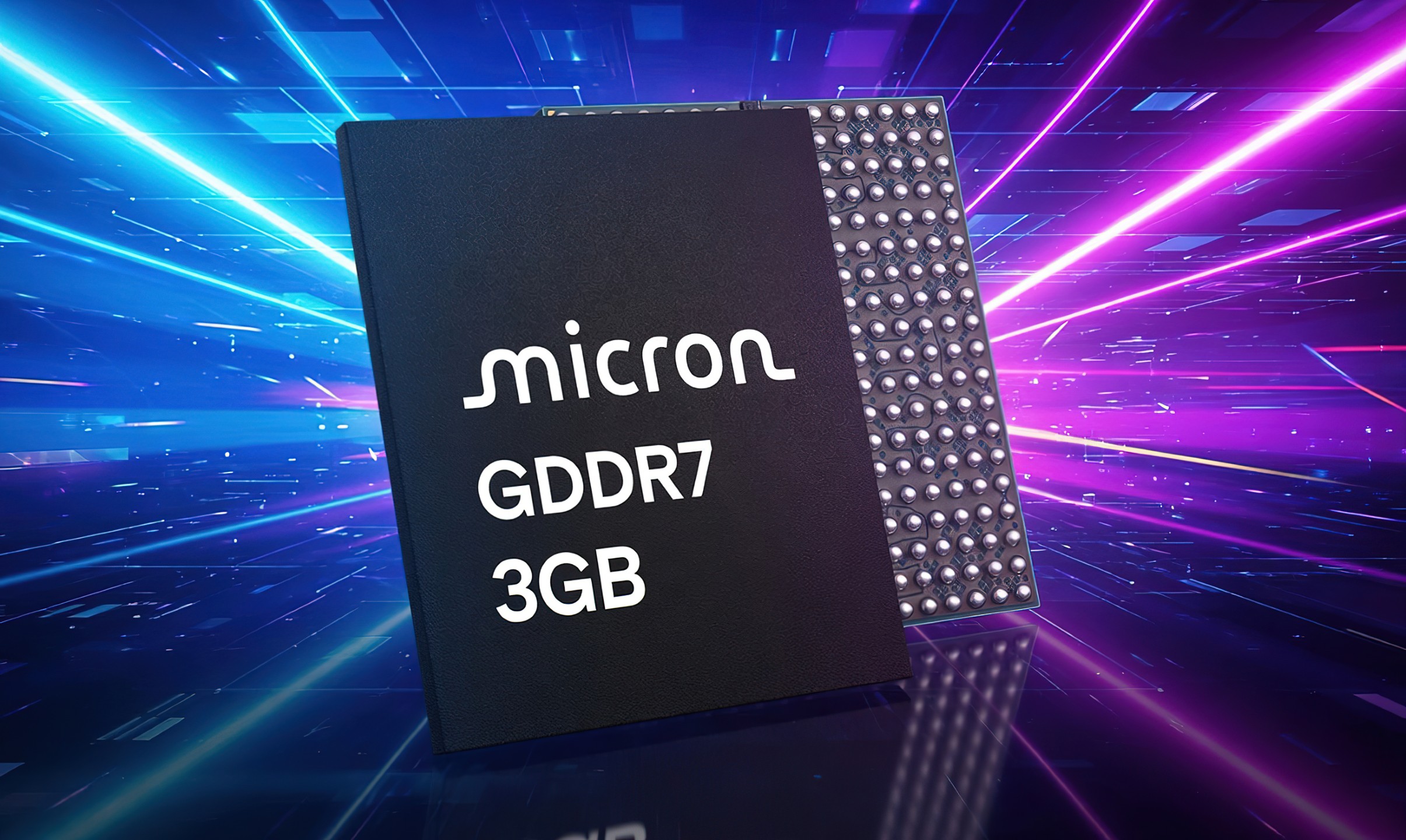
Financial report data shows that Micron’s revenue in the fourth quarter of fiscal year 2026 reached US$54.23 billion, a year-on-year increase of 379%, adjusted earnings per share was US$33.42, and gross profit margin reached 87.0%. Most key indicators exceeded market expectations. For the first quarter of fiscal 2027, Micron expects revenue to reach $61.5 billion, plus or minus $1.5 billion, and adjusted earnings per share are expected to be $38.15, plus or minus $1.
Although the company's forecast of gross profit margin for the next quarter is slightly lower than market expectations, Micron's management stated that the first quarter of fiscal year 2027 is expected to be the lowest point in gross profit margin for the whole year. After that, the company expects gross profit margin to continue to increase. Although the rate of product price increases will tend to be moderate, overall profitability will still be enhanced.
Micron's chief financial officer said that the company expects revenue to increase quarter-on-quarter in each quarter of fiscal 2027. At the same time, as the pricing of high-bandwidth memory products continues to improve, the company has locked in most of its production capacity orders for fiscal year 2027, and the price level is significantly higher than in previous cycles, which is expected to further enhance overall profit performance.
When talking about the prospects of the industry, Micron gave a very optimistic judgment. The company believes that between 2027 and 2028, the supply and demand relationship in the global memory and storage market will be tighter than in 2026. Even though the industry is expanding new DRAM production capacity and clean factories, as customers continue to place additional orders, there is still no clear time point for supply and demand to return to balance.
In order to cope with future demand, Micron plans to invest US$25 billion in capital expenditures in the first six months of fiscal year 2027, and the scale of investment will further increase in the next six months. The majority of the funds will be used to build new production facilities and expand clean factory space to prepare for increased demand in 2028 and beyond.
The company also revealed that it has signed 26 multi-year "take or pay" purchase agreements, which cover more than 35% of expected revenue before 2030, showing that large customers are ensuring future memory chip supply through long-term contracts.
In this financial report meeting, the most interesting content comes from the humanoid robot market. Micron believes that future humanoid robots will have much higher demand for storage resources than most current smart devices. According to the company's calculations, each humanoid robot will require more than 200GB of DRAM memory and several terabytes of NAND flash memory to locally run complex artificial intelligence models, perceive the environment in real time, perform reasoning tasks, and save large amounts of data.
Micron pointed out that as "physical AI" technology gradually matures, new smart terminals including humanoid robots will become an important force driving the growth of storage demand by the end of this decade. At present, the company has begun to provide next-generation product samples to a number of customers engaged in physics AI development.
Industry analysts believe that if humanoid robots are commercially deployed on a large scale in the future, their demand for high-performance memory and storage chips will create new long-term growth space for the entire semiconductor industry. For the storage industry, this means that even if the current enthusiasm for AI infrastructure construction weakens in the future, emerging terminal equipment may still take over the baton and continue to support the market to maintain a high level of demand.
Comments