
Abstract:
With the continuous expansion of artificial intelligence infrastructure construction, the raw material market at the most upstream of the semiconductor industry chain is facing an unprecedented supply and demand imbalance. Affected by overlapping factors such as the surge in demand for AI computing power and the expiration of the long-term supply agreement (LTSA), global silicon wafer prices are expected to see a dramatic rise of up to 40% in 2027.
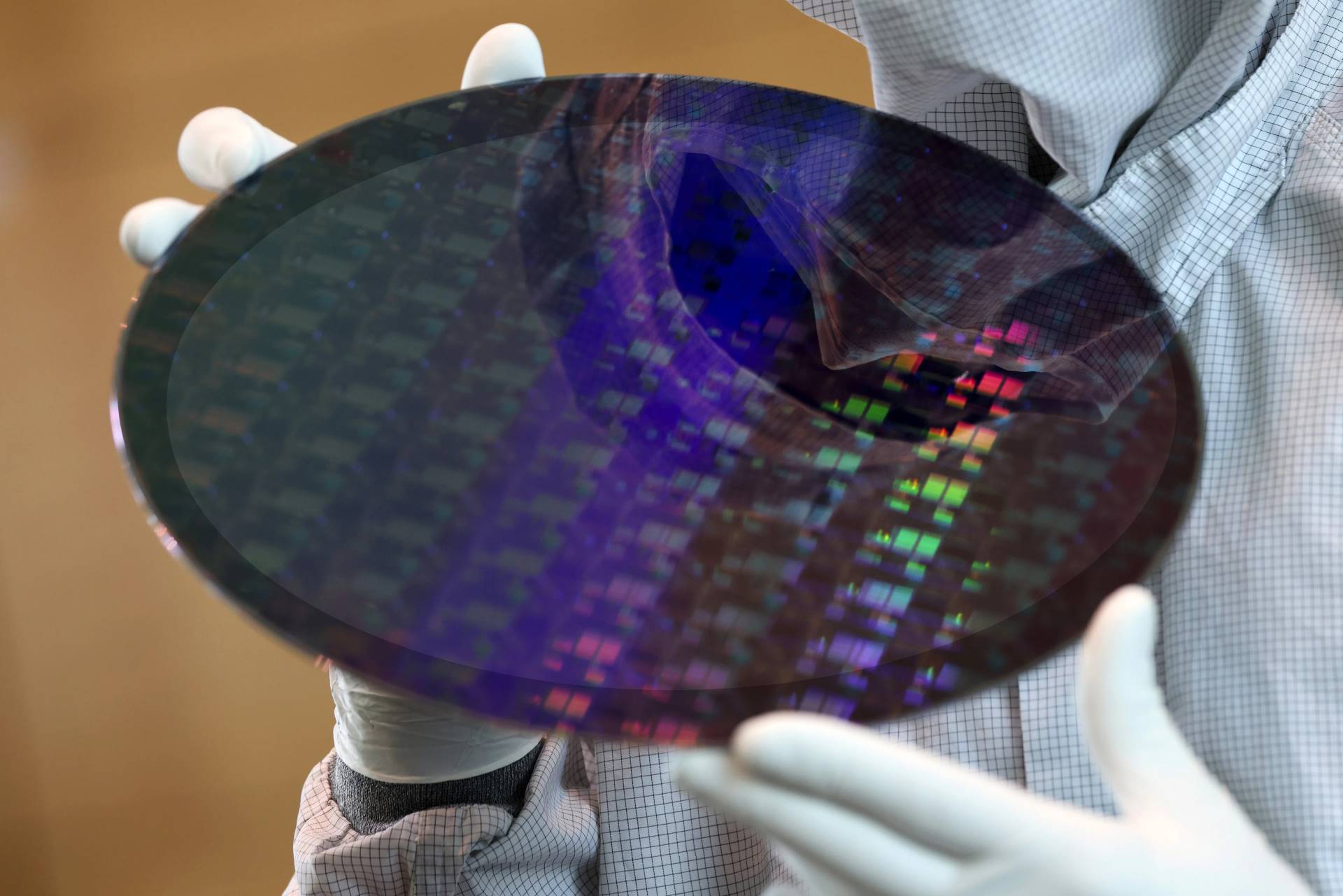
Industry analysts pointed out that the core driving force for this round of surge in silicon wafer prices comes from the explosive growth of artificial intelligence data centers. According to calculations by industry giants such as SUMCO, an AI server consumes 3.8 times more 12-inch silicon wafers than an ordinary general-purpose server. At the same time, high-bandwidth memory (HBM) used for AI acceleration chips consumes more than three times the wafer area of traditional DRAM during the production process. As the production capacity of highly doped and high-resistivity special silicon wafers is rapidly being swallowed up by HBM and AI power management chips, upstream silicon wafer suppliers are regaining the pricing initiative in the semiconductor industry chain.
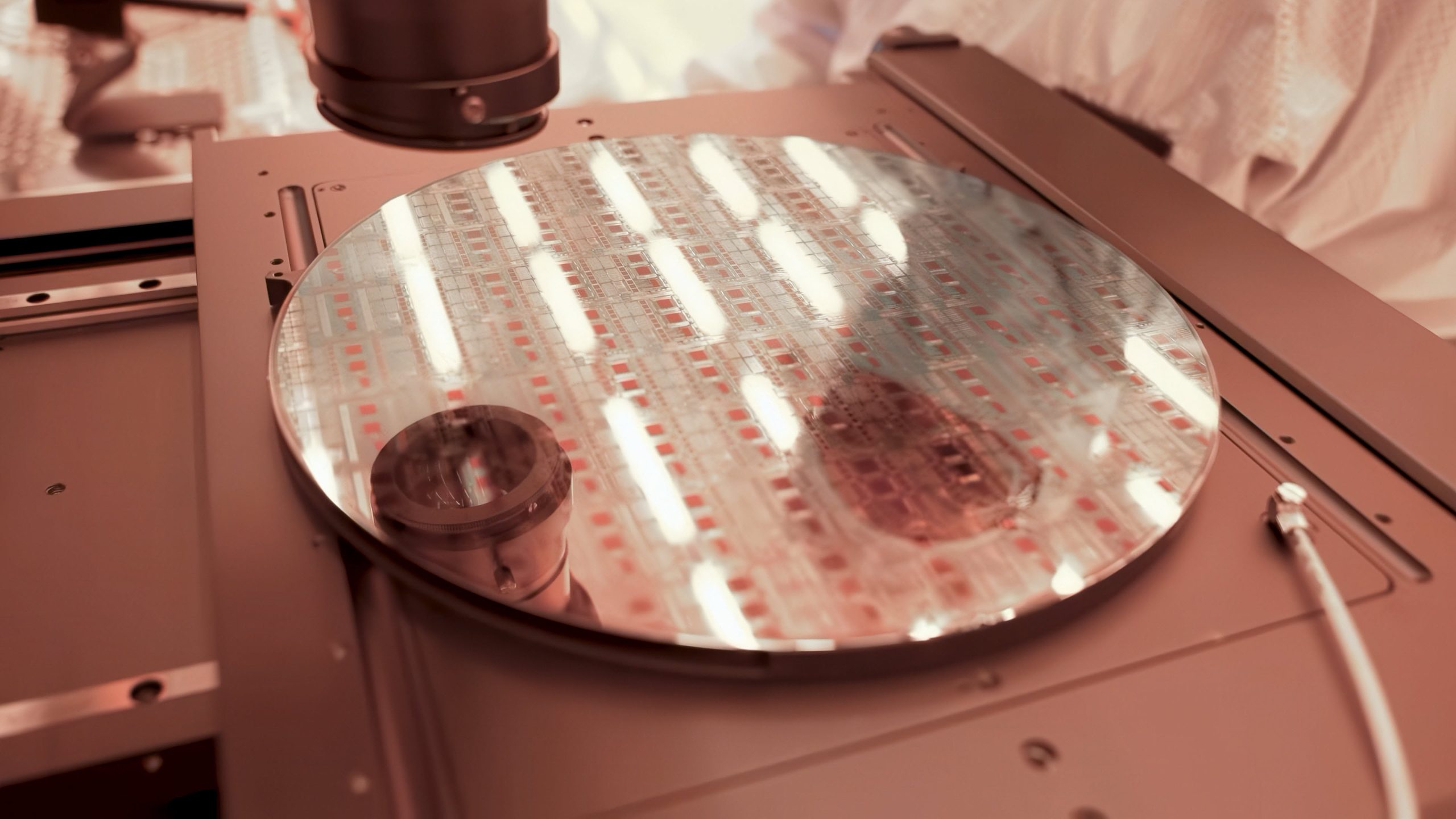
On the other hand, long-term agreements that locked in low prices over the past three years have expired, releasing long-standing pressure to increase prices. In the past few years, silicon wafer suppliers have been unable to enjoy the dividends brought by the downstream AI wave because they are in the performance period of the agreement. As these contracts were re-signed, a few oligarchs such as Shin-Etsu Chemical, Shengco, and Global Wafer that control core production capacity began to significantly increase their quotations. In addition, the expansion cycle of silicon wafer fabs lasts 18 to 24 months, and new production capacity will not be released until the end of 2026 or after 2027 at the earliest. This has caused the growth of the supply side to seriously lag behind the explosive demand changes.
Industrial chain experts warn that the 40% surge in upstream silicon wafer costs will have a dramatic transmission effect, further pushing up the marginal costs of wafer foundries and chip designers. From chip foundry giants to downstream consumer electronics manufacturers, they will all have to bear the financial pressure brought by rising raw materials, which may trigger a new round of price increases from AI servers to consumer electronics.
Comments