
Abstract:
As Intel's next-generation Nova Lake-S desktop processor is getting closer to launch, more and more physical and supply chain information about its supporting LGA 1954 platform has begun to appear. Recently, an LGA 1954 socket component manufactured by Foxconn has appeared on AliExpress, priced at about US$16. Although this is not a complete CPU socket that can be installed directly on the motherboard, it is already a formal component that can be soldered to the motherboard, which means that the production preparations for the relevant platforms are further advancing.
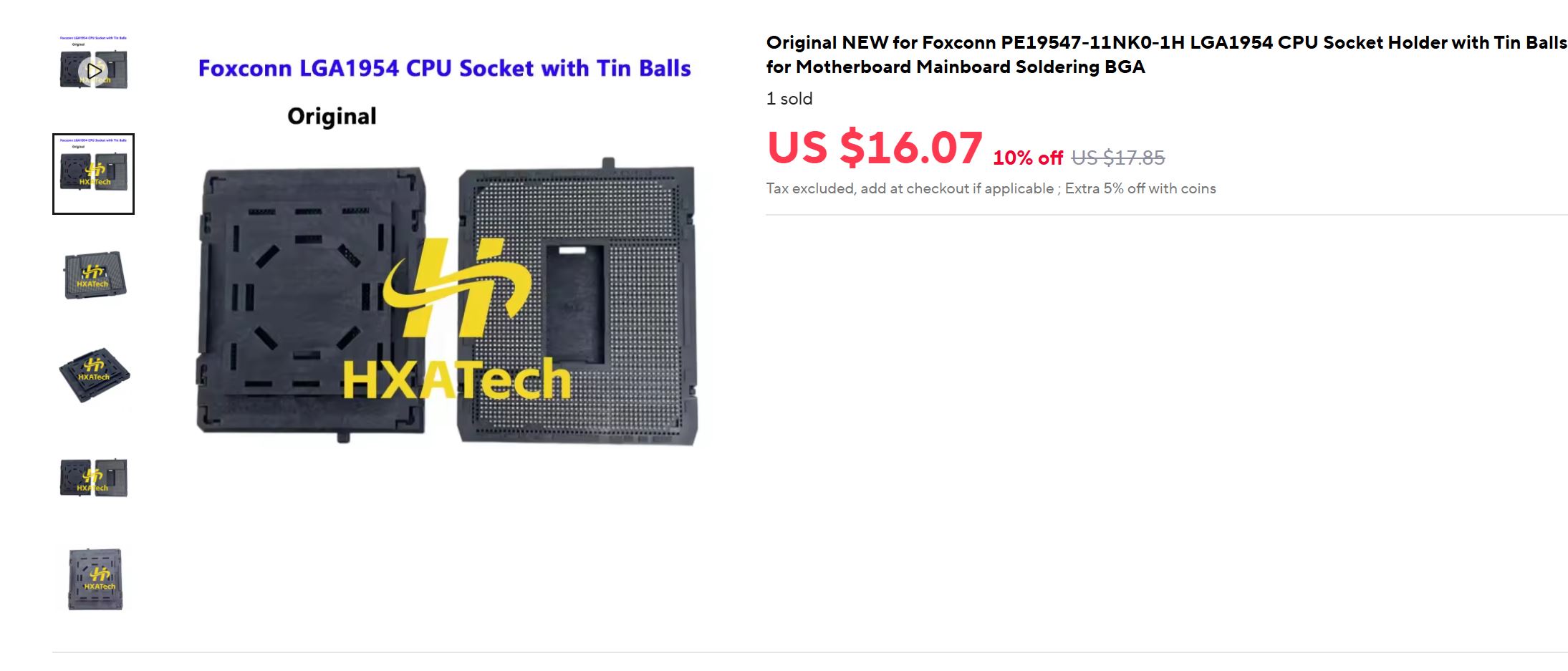
The product that appeared this time was described by the seller as "LGA 1954 CPU Socket Holder with Tin Balls", which is an LGA 1954 CPU socket base with tin balls. The product is marked as manufactured by Foxconn and sells for about US$16.07. Since the bottom of the product has pre-installed solder balls for soldering, it is actually more suitable for motherboard manufacturers, maintenance personnel and platform development stages, rather than for ordinary consumers to install and use it directly after purchase.
LGA 1954 has appeared in leaked information many times before, and this time the parts have directly entered online sales channels, which further illustrates from the supply chain perspective that the Nova Lake-S platform has entered a relatively mature production preparation stage. Intel's next-generation desktop processor will use LGA 1954 to replace the LGA 1851 used in the existing Arrow Lake-S, so users who want to upgrade to Nova Lake-S will need to replace the motherboard.
Intel has previously listed the "LGA1954 NVL-S Interposer" ILM kit in its Design-In Tools engineering tool platform, where NVL-S is the abbreviation of the Nova Lake-S platform. This official information has confirmed the correspondence between LGA 1954 and Nova Lake-S. Therefore, the socket parts on AliExpress are not the first exposure of new interfaces, but provide new supply chain evidence for previously known information.
LGA 1954 will be paired with Intel's new generation 900 series chipset. Information currently exposed shows that chipsets for the consumer market include Z990, Z970 and B960, while Q970 and W980 are mainly targeted at business and workstation platforms. Different chipsets will provide different functions and expansion capabilities for different user groups, among which Z990 is expected to become the flagship model for high-end players and enthusiasts.
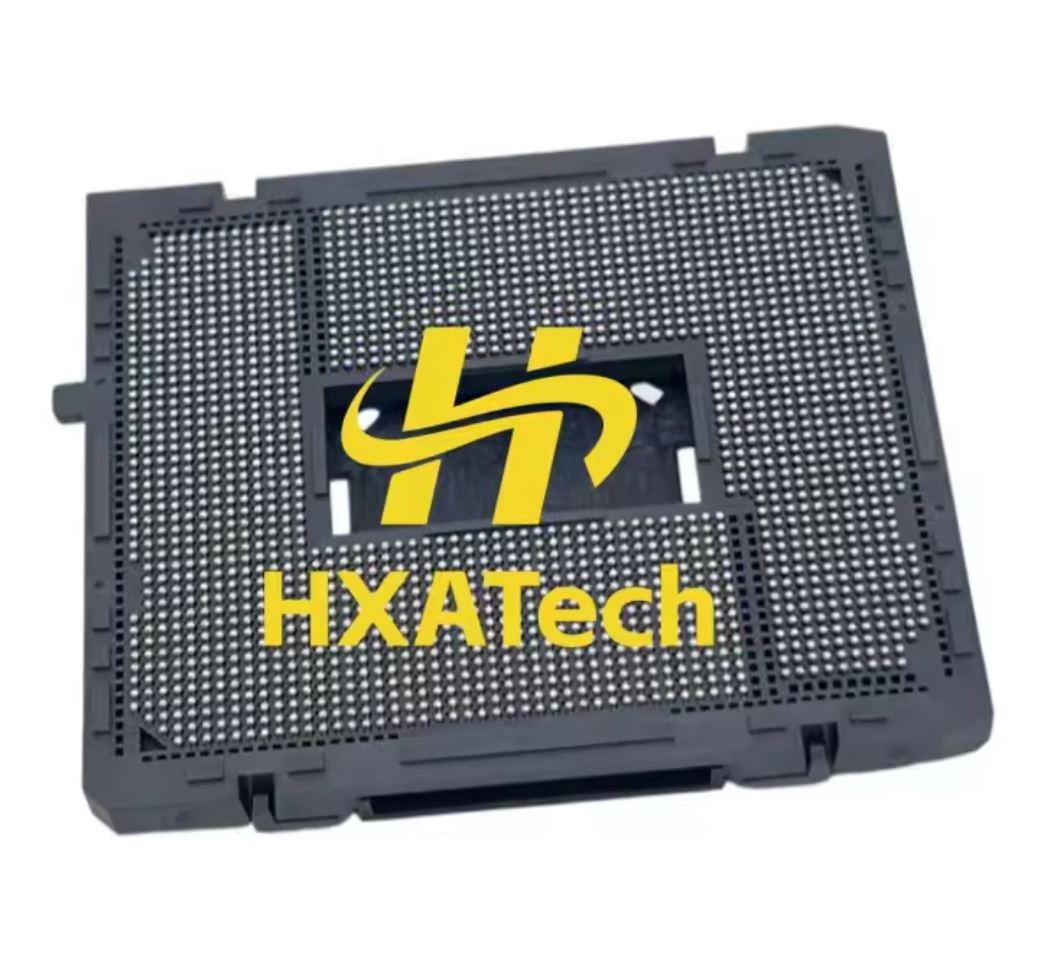
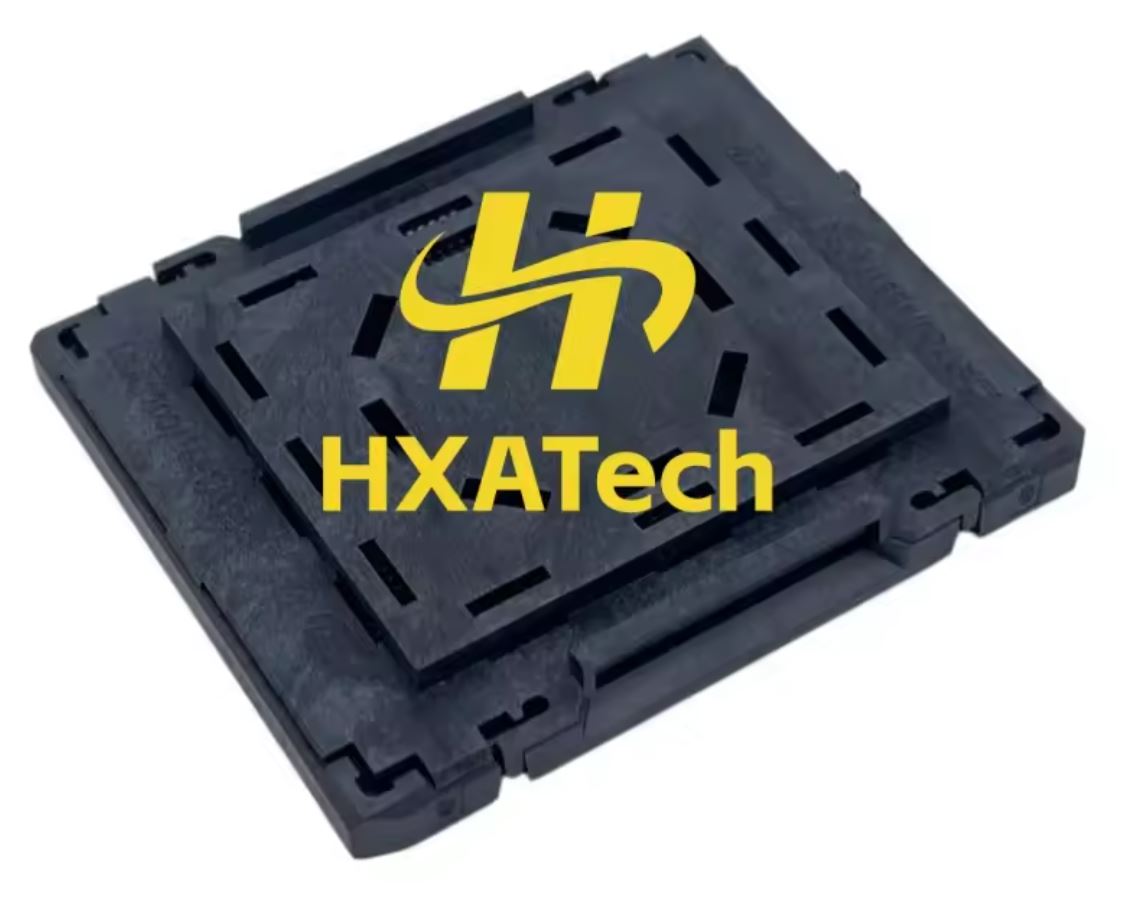
Although LGA 1954 itself has increased the number of pins, the overall package size of the slot is expected to remain at 45×37.5 mm, the same as LGA 1851 and the previous LGA 1700. This means Intel has not further expanded the physical size of the CPU socket by adding pins.
This is especially important for cooler compatibility. Several radiator manufacturers have confirmed that some existing LGA 1700 and LGA 1851 platform radiators can continue to be used in LGA 1954. In other words, when upgrading Nova Lake-S, users may only need to replace the processor and motherboard in some cases without having to repurchase the entire radiator. However, in the end, you still need to refer to the compatibility list published by the specific motherboard and radiator manufacturers.
LGA 1954 will also introduce a new dual-lever independent loading mechanism, the 2L-ILM. Compared with ordinary single-lever sockets, this mechanism has fixed structures on both sides of the processor to press the CPU onto the socket with more even pressure. One of its main purposes is to improve the contact between the processor top cover, that is, the IHS and the heat sink.
In recent years, some Intel desktop processors have experienced uneven stress on the processor IHS due to the socket loading mechanism, which in turn affects the contact between the radiator and the CPU. LGA 1954 uses a double-lever design, which is considered to be related to improving processor stress and heat dissipation performance. However, current news shows that 2L-ILM will not become a unified configuration for all LGA 1954 motherboards. Only some high-end motherboards may adopt this design, while ordinary models may continue to use the traditional fixing mechanism.
From a platform life cycle perspective, LGA 1954 is not expected to only serve Nova Lake-S generation processors. It is reported that Intel plans to continue this interface for multiple generations of desktop processors, including the subsequent Razor Lake series. This means that if the relevant compatibility plan is finally implemented, users who purchase high-end LGA 1954 motherboards will have the opportunity to upgrade for multiple generations in the future by changing processors without having to replace the motherboard with each generation.
Nova Lake-S itself is expected to be an important part of Intel's next-generation Core Ultra desktop processor line and replace the current Arrow Lake-S. Previously exposed information shows that Nova Lake-S may reach up to 52 cores, adopt a new generation performance core and energy-efficiency core hybrid architecture, and be equipped with a large-capacity cache. However, these core numbers, frequencies and specific product specifications are still mainly derived from leaked information, and Intel has not officially announced the complete product lineup.
Judging from the timetable, Nova Lake is currently expected to enter mass production in the fourth quarter of 2026 and officially enter the desktop market in early 2027. If this pace remains unchanged, it is not surprising that LGA 1954 socket components are now beginning to appear, because motherboard manufacturers need to complete design verification, production preparation, and supply chain stocking in advance.
Previously, LGA 1954 has appeared in physical motherboards, Intel engineering verification tools, radiator compatibility lists, and supply chain transportation records. Now, even the socket components used in motherboard production have begun to be publicly sold. As this information continues to come together, the outlines of Intel's next-generation desktop platform are gradually becoming clearer.
For ordinary consumers, the most concerning thing right now is the upgrade cost and platform life of LGA 1954. While the new socket means that existing LGA 1851 motherboards cannot be directly installed with Nova Lake-S, if Intel can eventually make LGA 1954 support multiple processor generations in succession while maintaining compatibility with existing high-end coolers, the life cycle of the new platform may be significantly longer than that of some past Intel desktop platforms. It is expected that as the end of 2026 approaches, more 900 series motherboards, Nova Lake-S processors and LGA 1954 related products will gradually enter the market.
Comments