
Abstract:
China's memory chip industry is ushering in a new stage of competition. Changxin Memory (CXMT) and Yangtze Memory Technology (YMTC), two leading companies that have been deeply involved in different markets for a long time, are accelerating their entry into each other's core business areas. A head-on competition around the two major markets of DRAM and NAND is gradually unfolding.
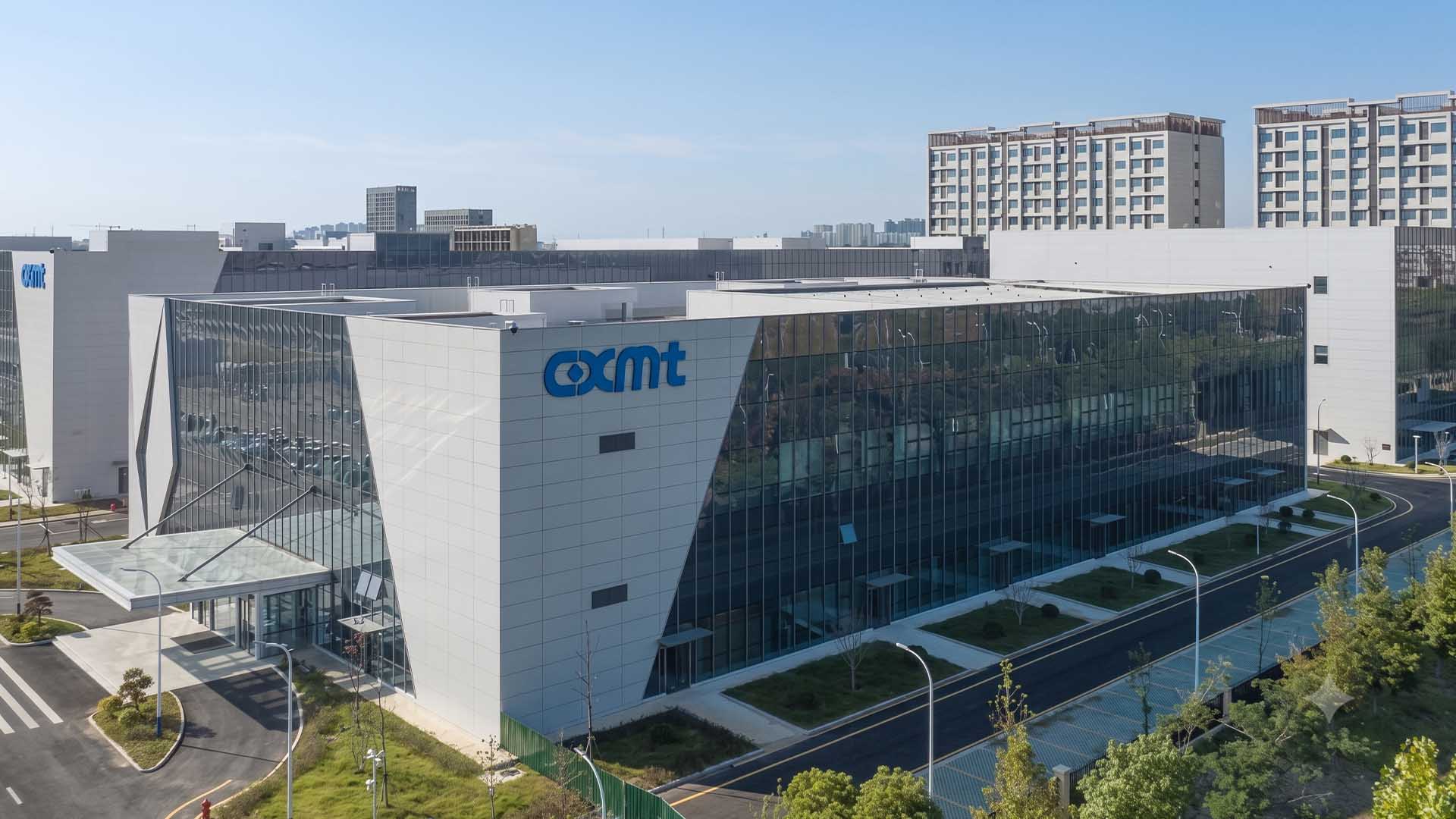
In the past few years, the two companies have maintained a relatively clear division of market labor. Changxin Memory mainly focuses on DRAM memory chips, while Yangtze Memory focuses on NAND flash memory products. As the wave of artificial intelligence reshapes the global semiconductor supply chain, this business boundary is being broken.
According to industry chain sources, Yangtze Memory is preparing to enter the DRAM market. The company's new production line in the third phase of the project is expected to start trial production at the end of 2026, with the initial focus on LPDDR5 low-power memory products. As an important stage before formal mass production, trial production is mainly used for equipment debugging, process optimization and yield improvement.
According to the current plan, Yangtze Memory's initial DRAM production capacity is expected to be approximately 25,000 wafers per month. Although this scale is still far behind international giants such as Samsung, SK Hynix or Micron, it is an important strategic shift for Yangtze Memory, which has long been focusing on NAND business.
At the same time, Changxin Memory is also looking for opportunities to expand into the NAND field.
Sources said that Changxin Memory is planning a new NAND R&D and trial production project in Beijing and establishing relevant research institutions to promote NAND technology development. Some potential customers have already begun contacting Changxin, including start-ups that want to use its flash memory products for artificial intelligence systems and supercomputer storage solutions.
In recent years, the demand for artificial intelligence servers has surged, which has not only promoted the continued prosperity of the HBM and DRAM markets, but also driven the growth of NAND flash memory demand. As a large number of AI model training and inference tasks generate massive amounts of data, the demand for SSD and high-capacity storage devices in data centers continues to rise, breaking the supply and demand balance of the traditional storage market.
Industry data shows that in order to meet the needs of the AI market, the world's major storage manufacturers have shifted more production capacity to high-profit DRAM and HBM products, resulting in a slowdown in NAND supply growth and in turn pushing up market prices. Against this background, entering the NAND market seems more attractive to Changxin.
However, compared to Yangtze Memory, which has a clearer timetable for entering the DRAM market, Changxin's NAND plan is still at an earlier stage. It is unclear when it will enter mass production. The industry predicts that the relevant production lines may be officially put into operation as early as 2028 to 2029.
For both companies, in addition to technical issues, intellectual property rights may also become an important focus of future competition.
Industry insiders pointed out that as both parties enter each other's traditional areas of strength, patent layout, technology licensing and competition for engineering talents may become new friction points. Especially in the context of the rapid development of China's storage industry, both companies need to attract a large number of R&D and production personnel with relevant experience.
According to reports, Changxin is currently actively recruiting engineering and technical talents who have worked at Yangtze Memory to accelerate the NAND research and development process. As Yangtze Memory advances its DRAM project, competition between the two parties in the human resources market may further intensify in the future.
In addition, U.S. export controls will still affect the future development path of Chinese companies. For Changxin, the NAND field is particularly dependent on advanced 3D NAND stacking technology, and it is still difficult to obtain related equipment and technology. Therefore, how to complete technological breakthroughs under restricted conditions will become an important factor in whether its expansion plan can be implemented.
Analysts believe that Changxin and Yangtze Memory used to represent China's two major DRAM and NAND camps respectively, but now both parties have begun to extend their business into all categories of storage, which means that China's storage industry is entering a new stage of integration and competition.
In the context of continued growth in global demand for AI computing power, both DRAM and NAND have become core strategic resources. As the two Chinese storage giants gradually move towards head-on competition, a battle for memory chips surrounding technology, production capacity, talent and market share is quietly beginning.
Comments