
Abstract:
Faced with procurement demands from international technology giants such as Apple, Chinese DRAM chip manufacturer Changxin Memory (CXMT) is adhering to an unusual business strategy. According to the latest news, Changxin Storage not only failed to provide price concessions to Apple, but even rejected cooperation requests from some overseas customers. Its core goal is to prioritize meeting the needs of China's local market and accelerate the realization of an independent and controllable development strategy for China's storage industry.
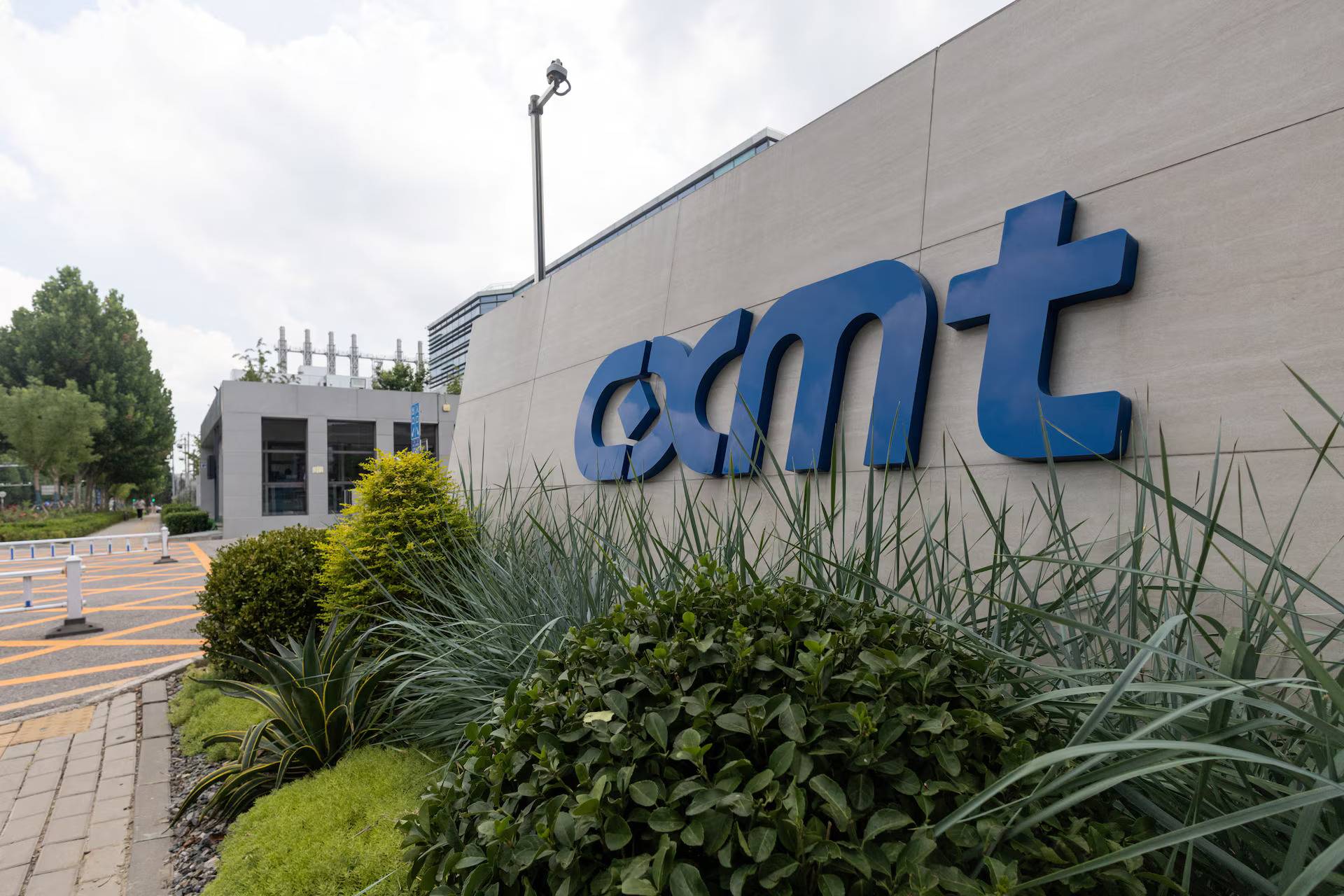
In the consumer electronics industry, suppliers are often willing to cut prices in exchange for long-term and sizable orders from Apple. However, in the field of DRAM, Changxin Memory has chosen another path. According to reports, the company hopes to prioritize the allocation of limited production capacity to Chinese customers rather than compete for overseas market share while competing with international storage giants such as Samsung Electronics, SK Hynix and Micron.
As its technical capabilities continue to improve, Changxin Memory has begun to supply LPDDR6 memory products to local companies including Xiaomi, and has proven that it has the ability to compete with leading international manufacturers. The main challenge facing the company at present is not insufficient product capabilities, but that the growth rate of market demand far exceeds the expansion rate of existing production capacity.
The news pointed out that Apple had hoped to obtain a more price-competitive memory supply than Samsung, SK Hynix and Micron to reduce product costs, but Changxin Memory did not accept this condition. In addition to Apple, a Taiwanese server manufacturer seeking to purchase DDR5 memory also failed to reach a cooperation agreement with Changxin Storage.
Industry analysts believe that the rejection of these overseas orders is not affected by policy factors, but because almost all of Changxin Storage’s current production capacity is absorbed by the domestic market. The demand for memory chips from Chinese technology companies such as Huawei and Xiaomi continues to grow, allowing Changxin Memory to maintain a high order scale without relying on low prices to seize the international market.
Semiconductor industry observers said that there is a more ambitious goal behind Changxin Memory's current strategy, which is to promote China's DRAM industry to achieve a higher degree of independent supply. In order to achieve this goal, the company must give priority to ensuring the needs of local customers. Therefore, even in the face of important international customers such as Apple, it is unwilling to invest a large amount of resources in overseas markets.
Analysts from research institutions believe that Changxin Storage will still face huge demand pressure from the domestic market in the next few years. With the development of China's smartphone, artificial intelligence equipment and server industries, local companies' demand for memory chips is expected to continue to grow. Although it will still take a long time to realize China's full independent supply of DRAM, if the current development momentum is maintained, Huawei, Xiaomi and other companies are expected to further reduce their dependence on overseas suppliers such as Samsung and SK Hynix in the future.
Analysts point out that in the past, the global storage market has long been dominated by Samsung, SK Hynix and Micron. However, with the advancement of Changxin storage technology and the increase in production capacity, China's storage industry is forming a new competitive landscape. Rather than pursuing short-term profits and international orders, Changxin Storage obviously hopes to take advantage of current market opportunities to build a long-term supply system to serve the Chinese market, and in this way promote the overall autonomy of China's semiconductor industry chain.
Comments