
Abstract:
Dell Technologies CEO Michael Dell recently warned about the global semiconductor supply situation, saying that the tight supply situation of high-bandwidth memory (HBM) and dynamic random access memory (DRAM) is expected to worsen in 2027. As the demand for artificial intelligence infrastructure construction continues to soar, the growth rate of global memory production capacity can no longer meet market demand, which is becoming a key bottleneck restricting the development of the AI server industry.
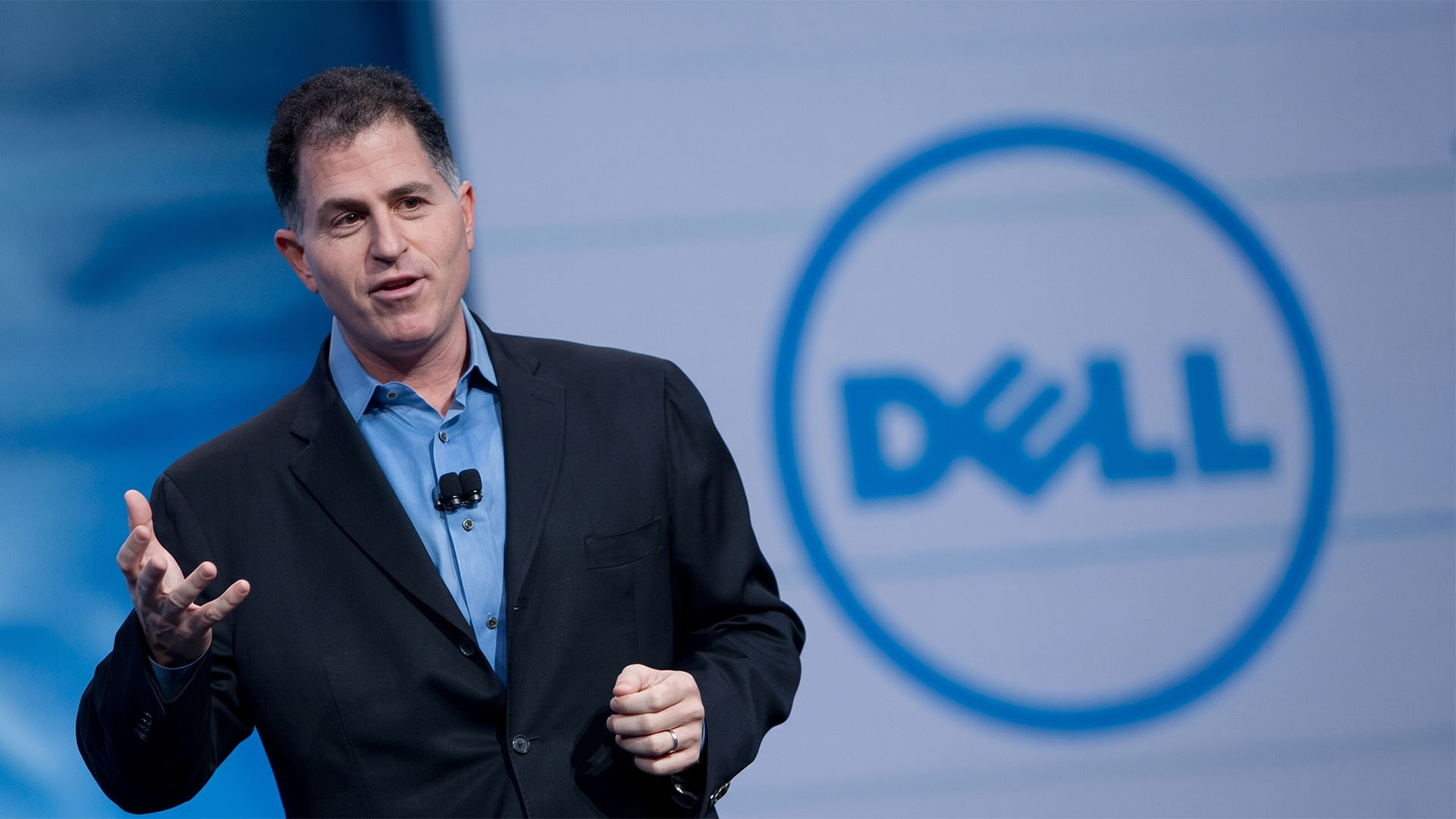
Currently, Dell’s backlog of enterprise and artificial intelligence server orders has reached a record high of US$95 billion. However, despite strong growth in market demand, the company's ability to successfully convert these orders into actual revenue depends largely on whether it can obtain sufficient supply of memory chips.
In recent years, the rapid development of generative artificial intelligence and the surge in demand for computing power in ultra-large-scale data centers have made advanced memory products a core resource for market competition. Modern AI servers highly rely on HBM to work together with high-performance GPUs and AI accelerators to provide the computing power required for large model training and inference. Because of this, memory shortage has driven the rapid growth of Dell's AI business on the one hand, and has become the biggest obstacle limiting its delivery capabilities on the other.
According to the "Wall Street Journal", Michael Dell believes that the problem of limited memory supply may even last as long as four years. Since it usually takes several years for a new semiconductor factory to go from planning to full production, the industry currently predicts that much of the new production capacity will not be fully released until 2029 or 2030. Until then, the imbalance between market supply and demand will continue to exist.
As memory prices continue to rise, the manufacturing costs of high-end systems such as AI servers are also rising simultaneously. This structural shortage not only affects the production plans of equipment manufacturers, but also puts greater pressure on the entire AI industry chain.
In order to reduce the risks caused by tight supply, Dell has adopted a relatively cautious operating strategy in recent years. Faced with the largest backlog of orders for AI servers worth US$95 billion in history, the company is trying hard to avoid hoarding too many parts in advance and tying up a lot of working capital.
Dell adopts a streamlined inventory model, arranging DRAM purchase time according to the final assembly plan, and only purchases the required memory when it is close to the production stage to reduce the risk of inventory backlog and maintain capital liquidity. The move helps the company remain more flexible as needs change.
At the same time, Dell has also established long-term supply agreements with suppliers and used customer prepayments to lock in advanced memory resources in advance. Similar practices have also been widely adopted by industry chain companies such as Samsung Electronics and SK Hynix to mitigate the possible impact of future price increases and supply fluctuations.
Although the market's enthusiasm for investment in artificial intelligence infrastructure remains high, Michael Dell pointed out that global memory supply will remain an important factor limiting industry expansion in the next few years. In the context of continued growth in demand for AI computing power and a long construction cycle for new production capacity, the memory shortage problem may be difficult to alleviate in the short term, and may even intensify further in 2027.
Comments