
Abstract:
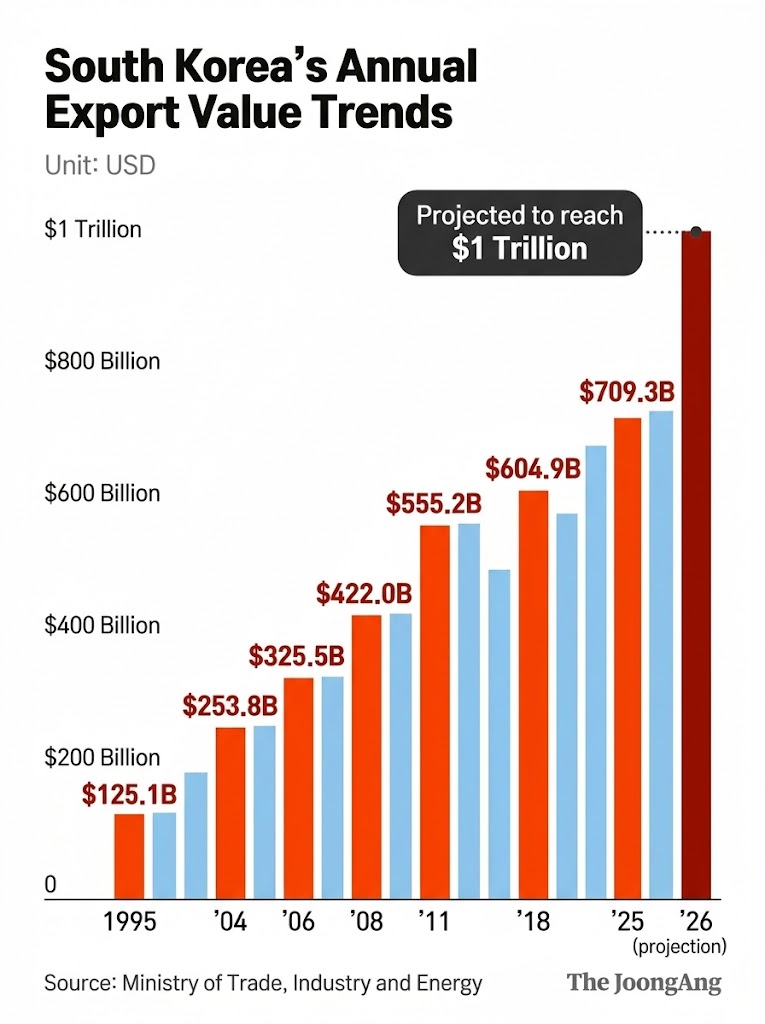
Driven by the continued expansion of the global artificial intelligence industry, South Korea's export performance has achieved a historic breakthrough. The latest data released by the South Korean government shows that South Korea's exports reached US$115.28 billion in October this year, a year-on-year increase of 93.7%, setting the second-highest single-month record in history, second only to September's performance. As exports continue to grow strongly, South Korea's cumulative exports in the first 10 months of this year have reached US$930 billion, leaving only about US$70 billion before the full-year breakthrough of US$1 trillion.
If this goal is successfully achieved, South Korea will become the fourth economy in the world with annual exports exceeding US$1 trillion. From 1995, when exports crossed the US$100 billion threshold for the first time, to now approaching US$1 trillion, it took South Korea 31 years to complete this leap.
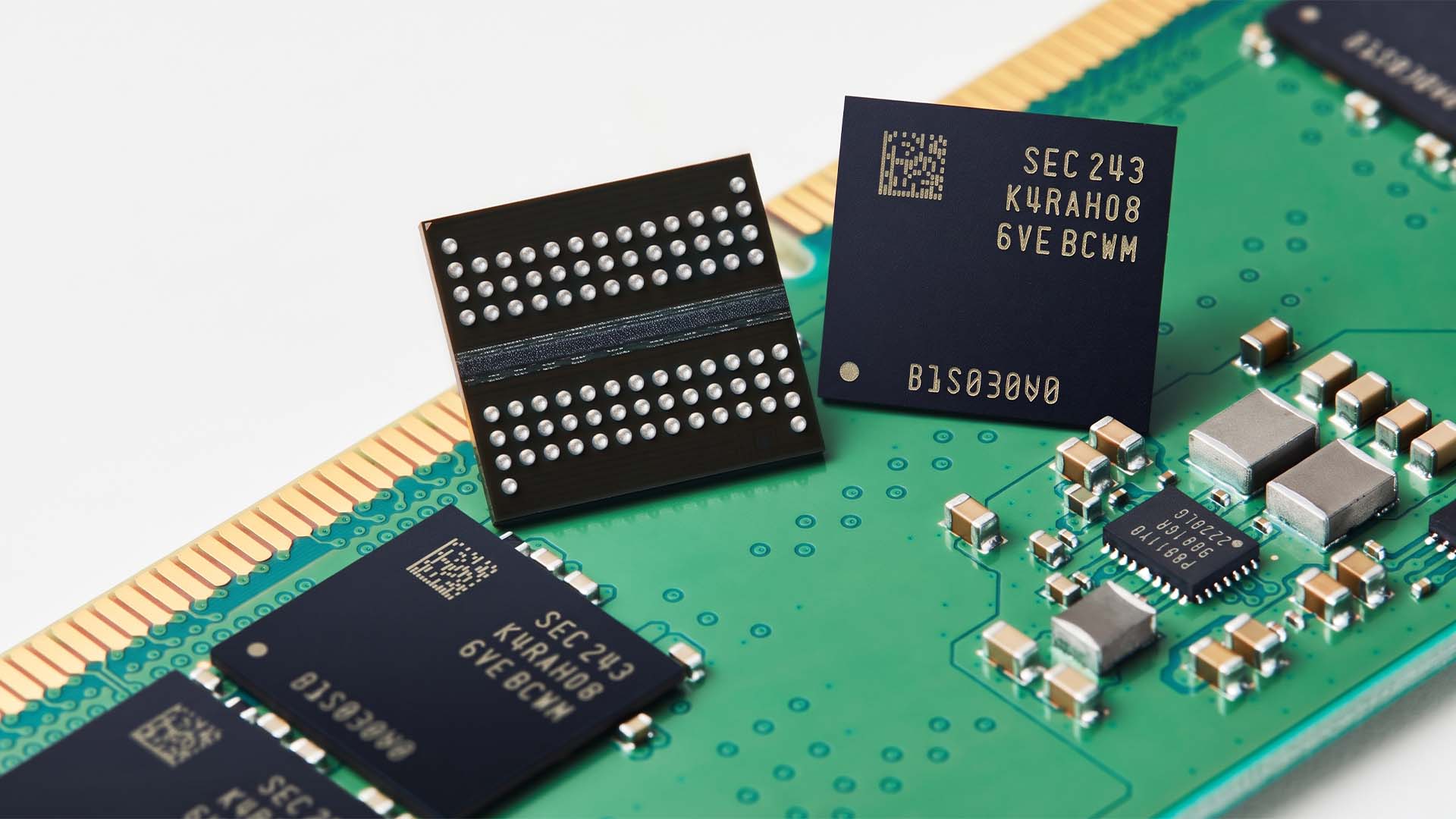
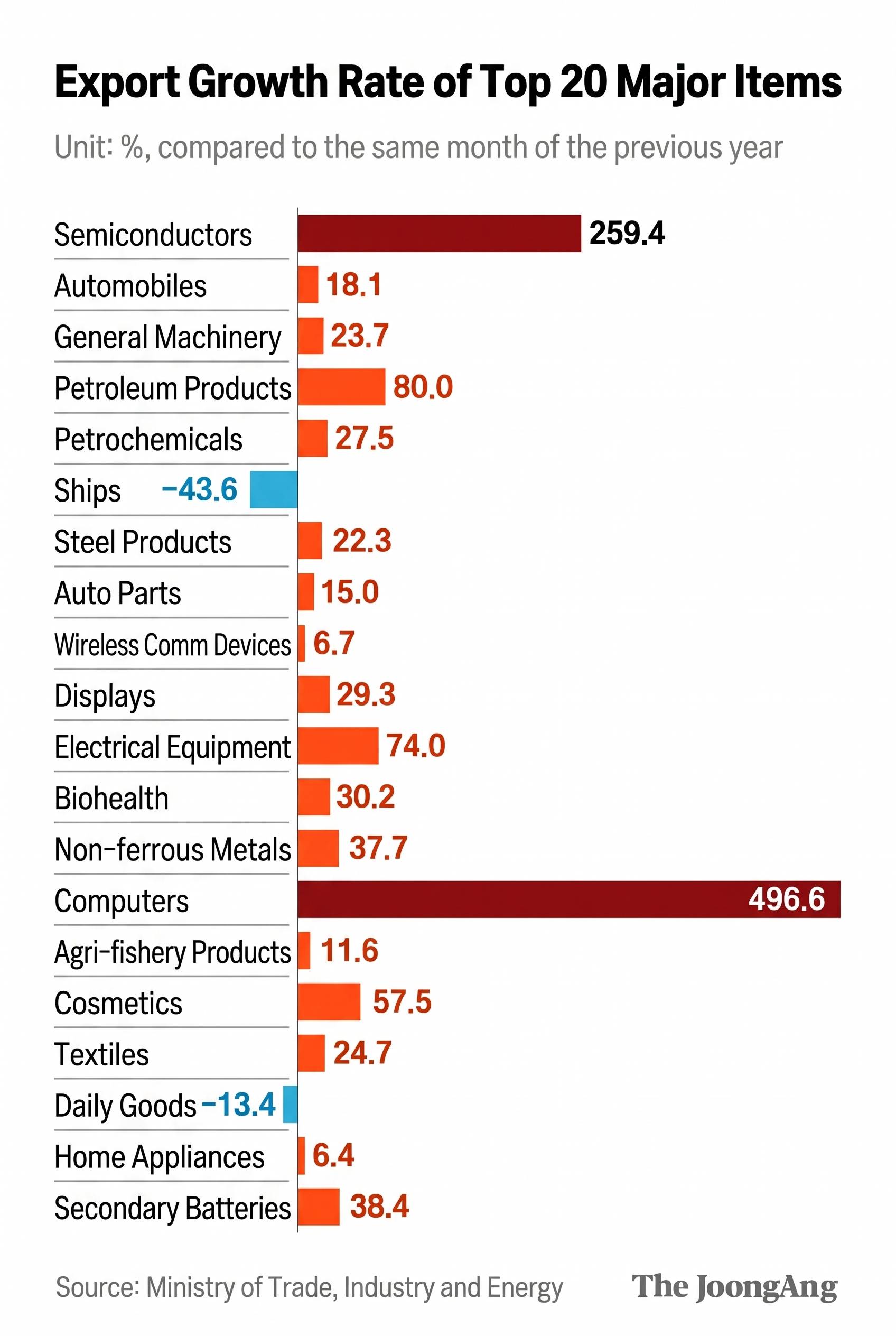
Among the many industries driving export growth, semiconductors are undoubtedly the biggest contributors. Data show that South Korea’s semiconductor exports reached US$56.44 billion in October, a year-on-year increase of 259.4%. Amid the global boom in artificial intelligence infrastructure construction, the demand for advanced storage products in major data centers has increased sharply, which has continued to benefit Korean companies such as Samsung Electronics and SK Hynix. Semiconductors alone accounted for 49% of South Korea's total exports that month, accounting for almost half of the country's exports.
At the same time, the export of computer equipment closely related to the AI industry chain has also experienced explosive growth, with a year-on-year growth of 496.6%. As global technology companies continue to expand computing power centers and server clusters, the purchase demand for related hardware equipment continues to rise, further pushing up South Korea's overall export scale.
South Korea's exports to major trading partners also recorded significant growth. Among them, exports to China increased by 133.6% year-on-year, exports to the United States increased by 185.8%, and exports to European and Southeast Asian markets also maintained strong momentum. The expansion of exports not only promotes the expansion of trade surplus, but also makes South Korea an important beneficiary of the current wave of global AI infrastructure construction.
However, the outstanding export performance has not formed a comprehensive transmission effect within the Korean economy. According to reports, a large number of small and medium-sized enterprises have not shared the dividends brought by the semiconductor boom. Instead, they are facing weak sales and increased operating pressure. South Korea's retail sales in the third quarter fell by 0.5% year-on-year, not only ending the previous growth trend, but also recording one of the largest declines in the past period.
The job market and domestic consumer demand also show no obvious signs of recovery. Some economists pointed out that although the semiconductor industry has high technical thresholds and high added value, the scope of industrial chain linkage is relatively limited, and it is difficult to drive overall employment and domestic demand growth as extensively as the automobile, construction or consumer services industries. Therefore, relying solely on the prosperity of the chip industry is not enough to fully activate the Korean economy.
Experts believe that South Korea still needs to develop new growth industries and stimulate the local consumer market in the future to achieve more balanced economic development. Although the current AI wave has brought South Korea back to the center of the global trade stage, the development gap between different industries across the country is also further widening.
In addition, the risks brought by over-reliance on semiconductor exports have also received attention. If global technology companies reduce investment in artificial intelligence infrastructure in the future, South Korea's chip export growth momentum may be affected. As the AI industry enters a new stage of development, whether South Korea can transform the current prosperity brought by memory chips into broader and more sustainable economic growth will remain an important focus for observing South Korea's economy in the next few years.
Comments