
Abstract:
Scientists recently confirmed that a mysterious millipede that was first collected in southern Australia nearly 90 years ago has finally been identified and recognized as a brand new species. The research team named it "Colobothrix deckeri." This discovery not only fills a long-standing taxonomic gap, but also subverts the scientific community's existing understanding of the ecological distribution range of this type of millipede.
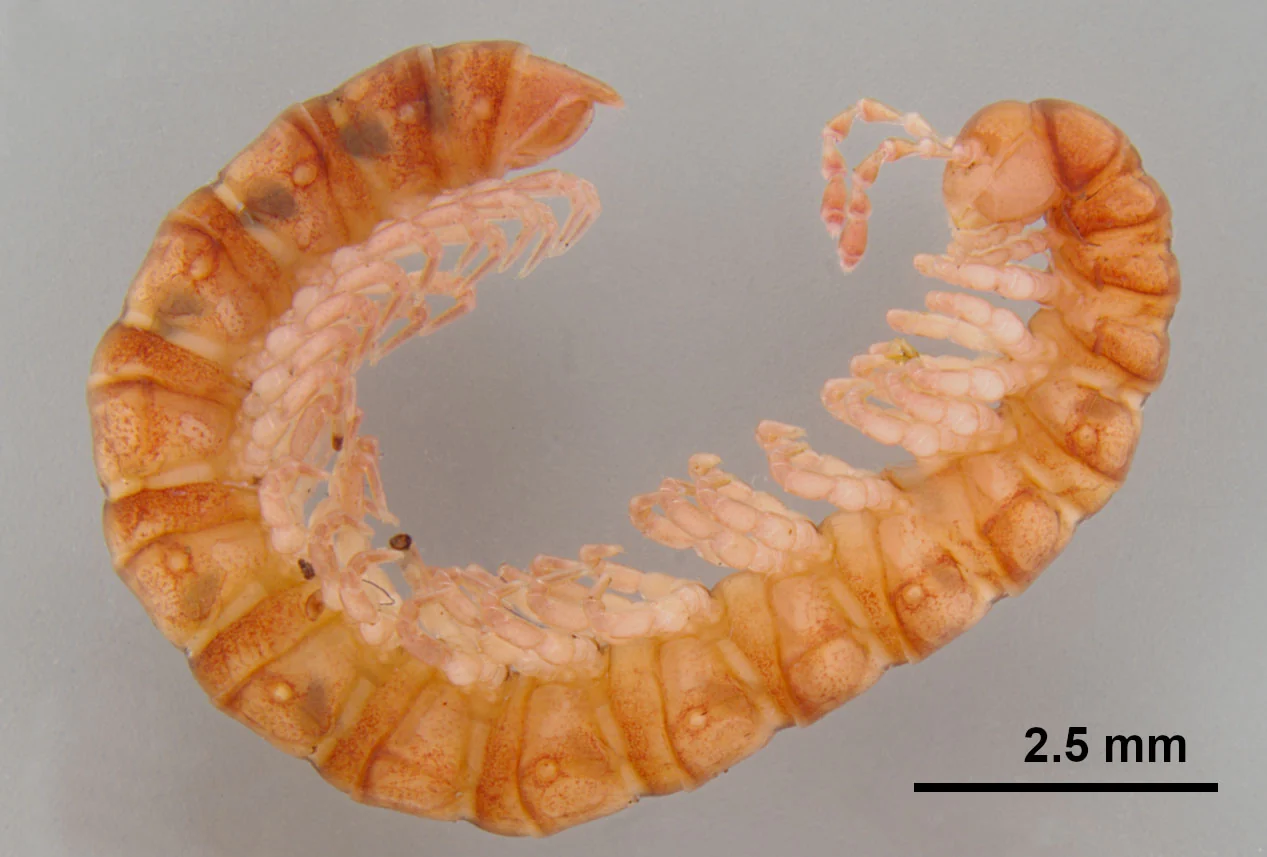
This species belongs to the family Dalodesmidae, members of which usually live in humid environments. However, the lower Yorke Peninsula in South Australia, where the species was first discovered, has annual rainfall of only 400 to 500 millimeters, making it the driest known distribution area of Darodrodidae in Australia, making it the first time a member of the family has been recorded in such a dry environment.
In addition to the special distribution environment, the new species also has unique microstructural characteristics. The legs of adult male Darod millipedes and some other millipede species often have tiny organs called "globose setae," which are usually topped with long, sharp bristles. In Colobothrix deckeri, the setae have degenerated into short, blunt rod-like structures. Because of this special feature, researchers created a new genus name "Colobothrix", which means "underdeveloped hair."
The story of this discovery begins in 1936. At that time, a specimen was collected from the Yorke Peninsula in South Australia and collected in the South Australian Museum, but it has not been correctly identified for decades. It wasn't until 2015, when German researcher Peter Decker came across this specimen while studying another type of millipede that he noticed that it actually belonged to the family Millipeda darod.
Decker then sent the micrographs to Australian millipede expert Robert Messiboff. Through photo analysis, the researchers realized that this specimen was the first evidence that Darod's family was once distributed in the arid regions of South Australia. Messibov went to the original collection site in 2016 and 2017 to search for living individuals, but was unsuccessful. He later named the new species after Decker and published a paper describing it in the peer-reviewed open-access journal ZooKeys.
Unknown to the researchers at the time, many more specimens of the species had actually been collected. In 2010, arachnologists Michael Ricks and Danilo Harms discovered a new assassin spider during a survey on Kangaroo Island, about 50 kilometers from the original site. They also collected a variety of leaf litter invertebrate samples, including several unidentified millipedes. The relevant specimens were subsequently preserved in the Western Australian Museum.
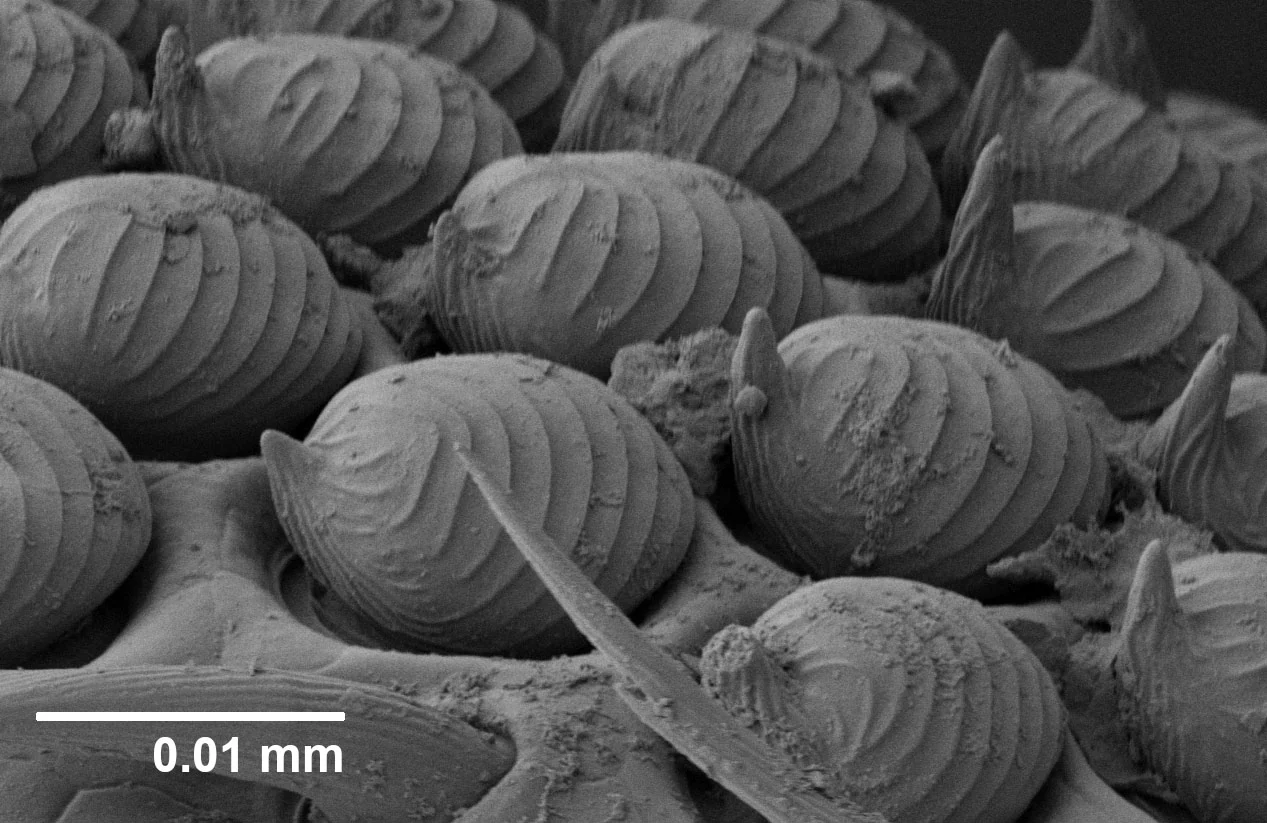
Severe wildfires in 2020 severely damaged Kangaroo Island, triggering concerns about the living conditions of local rare animals. In 2021, arachnologist Jessica Marsh not only rediscovered the assassin spider that was previously thought to be endangered during a follow-up investigation, but also collected some samples of unknown millipedes, but these samples were also not identified at the time.
It wasn't until early 2026 that Mesiboff discovered relevant records while browsing the Western Australian Museum database and contacted curator Mark Harvey to obtain sample photos. After comparison, the researchers confirmed that the individuals from Kangaroo Island were of the same species as the specimens collected on Yorke Peninsula in 1936.
Subsequently, Mesibov personally went to Kangaroo Island to conduct investigations, and finally successfully found a living individual near the previous discovery site. He said that this was his third time searching for this species and he finally succeeded. The research team found multiple healthy populations in areas not far from the collection sites in 2010 and 2021, in relatively humid environments.
The researchers then collected several samples for formal species description and future genetic studies. Currently, relevant specimens collected in 1936, 2021 and 2026 are stored in the South Australian Museum.
Although the species has been confirmed to be stable on Kangaroo Island, scientists still don't know if it still exists on the Yorke Peninsula where it was first discovered. The original discovery site is significantly drier compared to the wetter habitats of northwest Kangaroo Island.
Mesibov offers one possible explanation. He pointed out that the original collection site was located on a limestone formation, where there were a large number of cracks on the exposed rock surface. He speculated that this millipede may be able to live in small cavities formed inside the limestone for a long time, and it is a relict population left over from the more humid climate period in South Australia.
This hypothesis may explain why the research team was unable to find traces of it during field surveys in 2016 and 2017, and it may also explain why this millipede, which usually relies on humid environments for survival, can survive in such an arid area for a long time. At present, relevant ecological puzzles still need to be further studied.
Comments