
Abstract:
It is reported that Solidigm, the U.S. memory chip subsidiary of SK Hynix, is negotiating with the U.S. Department of Commerce to consider investing $45 billion in building a new chip manufacturing plant in the United States. If the project is finally implemented, it will become one of the first large-scale NAND flash memory production facilities in the United States and may also change the production capacity layout of the global flash memory industry.
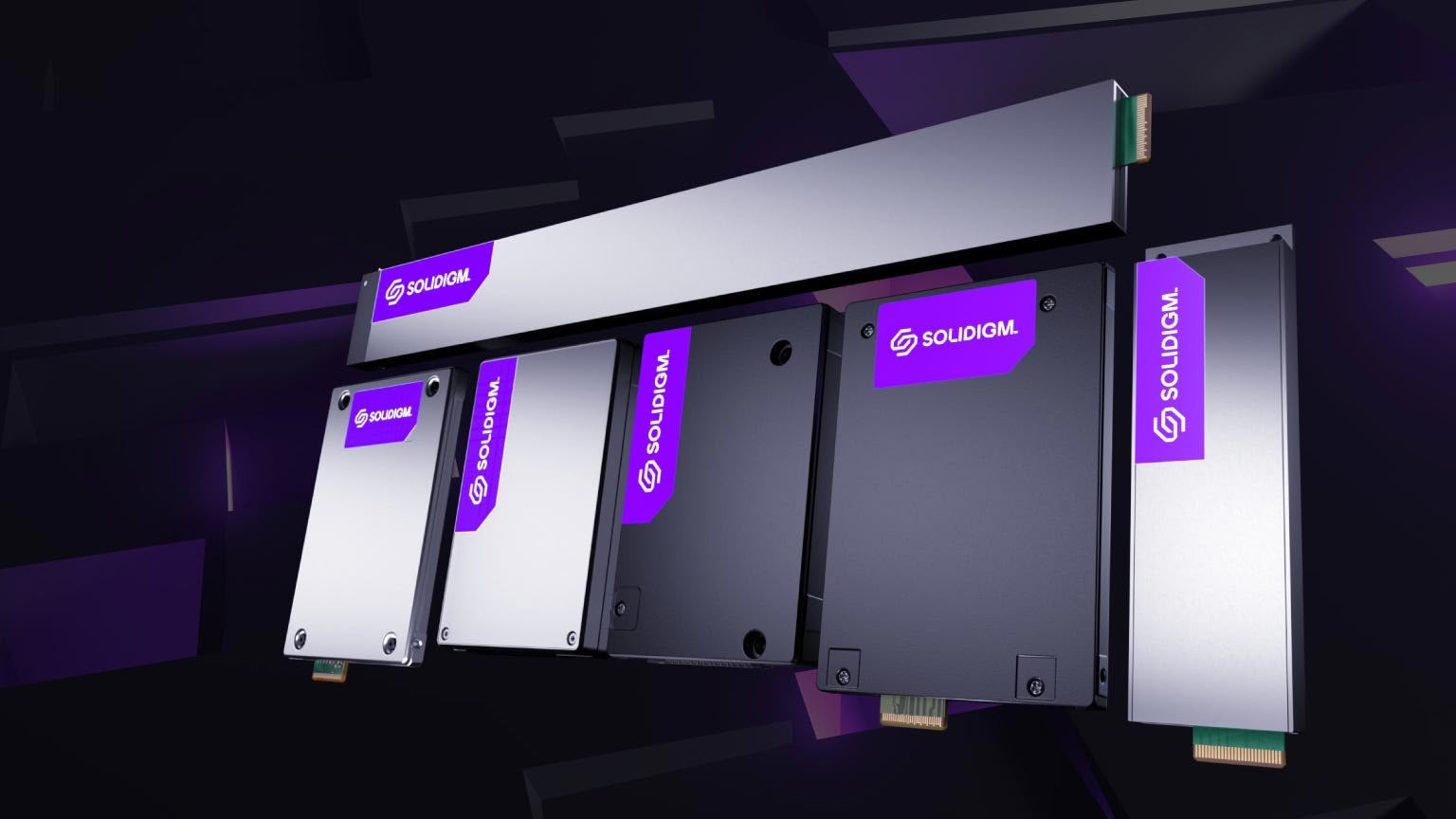
This investment plan is not an isolated production expansion project, but is closely related to Solidigm’s upgrade arrangements for its existing factory in Dalian, China. According to information disclosed by people familiar with the matter, Solidigm hopes to obtain permission from the U.S. government to ship relevant equipment to China for upgrading the Dalian factory. As part of the negotiations, the company proposed an investment plan for a new factory in the United States to the U.S. government, trying to promote progress on both arrangements simultaneously.
The Dalian factory is of great significance to SK Hynix’s NAND flash memory business. The factory originally belonged to Intel's NAND flash memory business. After acquiring the related business, SK Hynix integrated it into its storage business system. Solidigm mainly targets the enterprise-level solid-state drive market, and its products widely serve data centers and enterprise storage applications. As the construction of artificial intelligence infrastructure drives the growth of data storage demand, expanding flash memory production capacity and upgrading existing production facilities have become important matters that relevant manufacturers need to consider.
Solidigm also told the U.S. Department of Commerce that the total long-term investment in U.S. factories may reach US$100 billion in the future. Upstate New York is one of the sites being considered, and the project may start as early as 2027. However, this figure represents the scale of potential long-term investment and does not mean that the company has approved or committed all the funds. At present, the project site selection, construction time and specific investment arrangements have not yet been finalized.
The U.S. government’s restrictions on the export of semiconductor manufacturing equipment to China are a key variable facing this plan. In 2025, the United States revoked the original verified end user (VEU)-related exemption arrangements for some Chinese factories of SK Hynix and Samsung Electronics. The companies will need to apply for licenses on an annual basis in order to transport relevant equipment into Chinese factories. The U.S. government has previously stated that it will allow companies to obtain equipment needed to maintain existing factory operations, but the approval policy will be stricter for equipment designed to expand production capacity or improve technology.
The Mod B area of the Dalian factory is an important part of this negotiation. This area was completed in 2023, but due to the downturn in the memory chip market at that time, part of the space had not yet completed equipment configuration. Solidigm hopes to install more manufacturing equipment in relevant areas to increase NAND flash memory production. If the U.S. government approves the export of relevant equipment, the revenue generated from the new output is expected to help the company raise funds for the construction of a new U.S. factory and provide a transition for its future expansion of production in the United States.
This arrangement also reflects the profound impact of the artificial intelligence boom on the memory chip industry. As AI data centers continue to expand, the demand for enterprise-grade solid-state drives and high-performance storage products continues to increase, and the global supply of memory chips is tightening. Major manufacturers such as Samsung Electronics, SK Hynix and Micron are adjusting their production capacity allocation and investing more resources in data center-related products with higher profit margins. NAND flash memory is the core storage medium of solid-state drives, and its supply status directly affects the construction costs of cloud computing and AI infrastructure.
For SK Hynix, building a new NAND flash memory factory in the United States can not only increase production capacity, but also help reduce dependence on a single production base in Dalian, China, and reduce possible trade policy risks in the future. However, the cost of building a factory in the United States is usually higher than that of existing production bases such as South Korea. In addition, the construction cycle of semiconductor factories is long, and there is still uncertainty about whether investment can obtain sufficient long-term returns.
Previously, SK Hynix had considered promoting Solidigm to go public and raise funds through an initial public offering. However, the company has recently suspended its evaluation of Solidigm's listing and pre-listing financing options due to capital market conditions and stock performance. Despite the change in financing path, SK Hynix still stated that Solidigm needs to add new production facilities to meet the capacity requirements brought about by the growth in AI storage demand, and will continue to evaluate the scale of investment, timing and funding sources in the future.
In general, Solidigm is considering investing US$45 billion in building a NAND flash memory factory in the United States. This is the result of the intertwining of the United States' promotion of localization of semiconductor manufacturing, the growth of global AI storage demand, and Sino-US technology export controls. What really determines whether the project can be advanced is not only the return on investment in the U.S. factory, but also whether Washington approves the export of equipment required for the Dalian factory, and whether SK Hynix can strike a balance between U.S. construction costs, global supply chain layout, and future market demand. At present, this is still a plan that is in the negotiation and evaluation stage, rather than a factory construction project that has been officially finalized.
Comments