
Abstract:
The function of restricting "Shake" jump ads has been officially launched on Apple mobile phones. On October 27, Apple pushed the official version of iOS 27.2 update. The restricted "shake" advertising function that previously appeared in the beta version has been retained and is available to users in mainland China. At the same time, Apple's first foldable screen phone iPhone Duo also received a dedicated system update, adding Apple Pencil support, video call fill-in light and other functions.
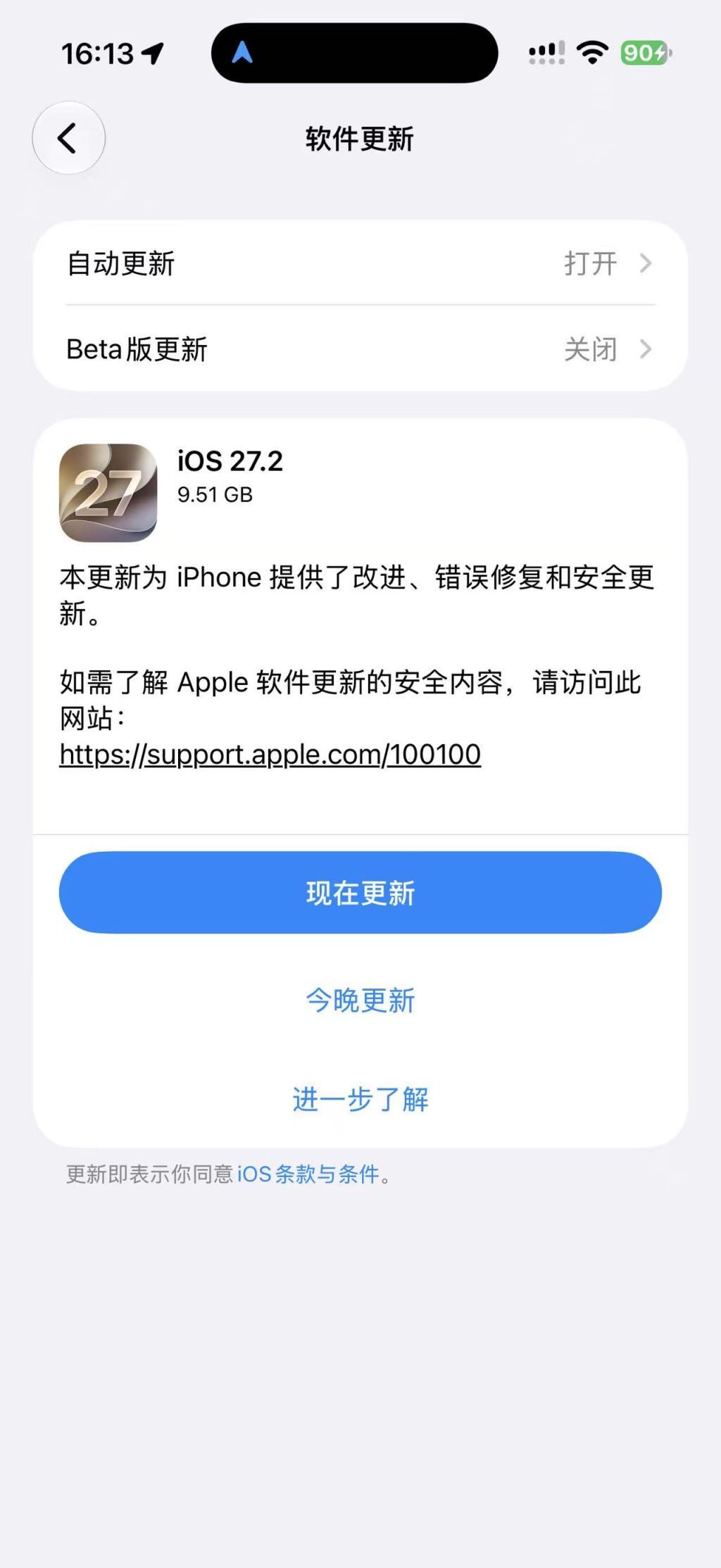
The new function this time is called "Restrict Action Data". Users can enter "Settings" - "Privacy and Security" - "Sports and Fitness", find the "Restrict Action Data" option and click "Edit" in the upper right corner to add the App that they want to block "Shake" jump ads to the restricted list. Restricted apps will not be able to access relevant motion data, thus blocking the path for some apps to trigger ad jumps by identifying phone shaking movements.
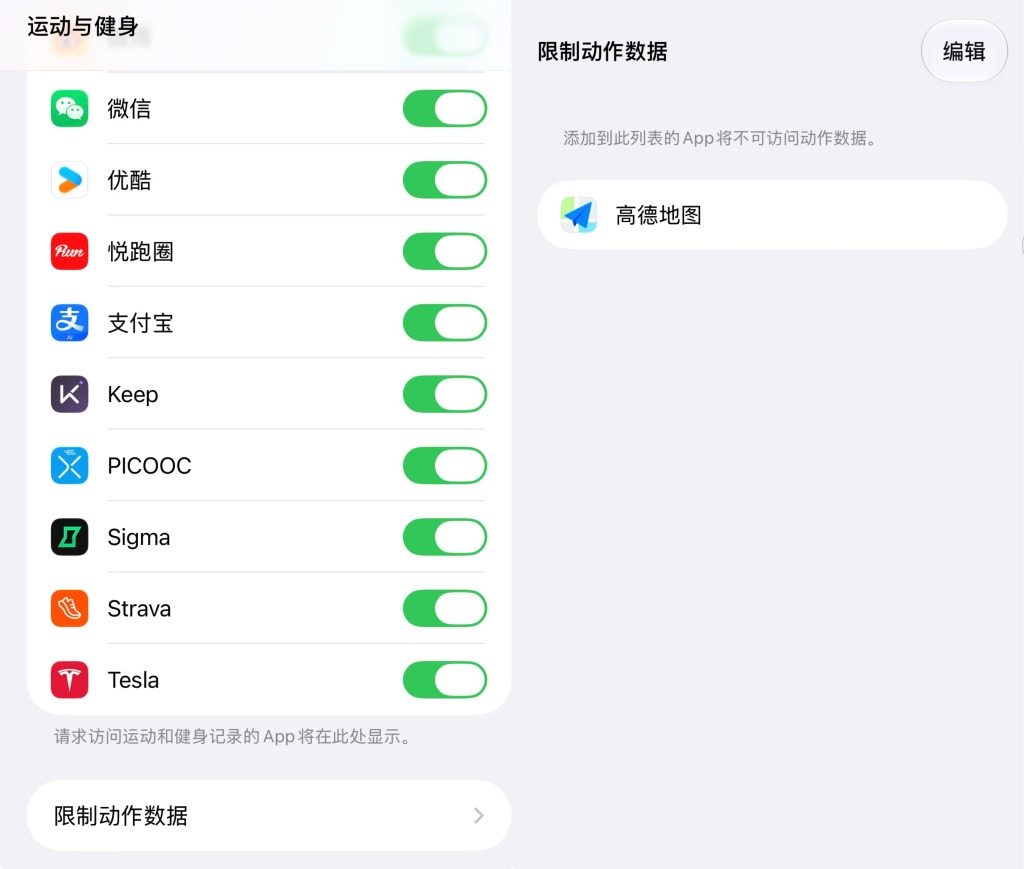
This feature first appeared in the iOS 27.2 Beta 2 test version in mid-September.
On September 23, reporters from The Paper found that taking Baidu Maps as an example, after opening the application, shaking the phone slightly may jump to the application corresponding to the advertisement; after adding Baidu Maps to the restricted list, even if the open-screen advertisement still appears, shaking at will will not trigger the jump. At that time, this feature was still in the developer testing stage, and Apple has not confirmed whether it will be retained in the official version. Now, with the release of the official version, this feature has been implemented.
The "Shake" advertisement has caused controversy, mainly because its triggering mechanism can easily lead to misoperation.
According to the Workers Daily report on September 22, a software development practitioner told reporters that "shake" jump-type advertisements mainly read the mobile phone's acceleration sensor and gyroscope, and the algorithm determines the shaking action, and executes the jump once the standard is met.
According to relevant practitioners, some apps set the sensor trigger sensitivity at a critical value or even directly increase it. The user's natural shaking when walking and slight bumps when riding in a car may be recognized as active shaking.
On the Black Cat Complaints Platform, there have been thousands of complaints about “Shake”, involving problems such as accidentally touching the opening screen advertisement, jumping to the payment page, and being difficult to skip the advertisement.
It is worth noting that Apple’s developer agreement has long made it clear that apps may not use Motion & Fitness APIs or information obtained through these interfaces for purposes other than health, sports, and fitness services, such as advertising. Motion data includes information such as acceleration, attitude, rotation, and magnetic field of the device. The significance of this update is that Apple further hands over relevant permission control to users, allowing users to restrict access to exercise data for specific apps and cut off the triggering conditions for some "Shake" ads at the system level.
However, this feature does not mean completely blocking open-screen ads. Apps that are included in the restricted list may still display ads, but they can no longer trigger some shake jumps through relevant motion data. For applications that rely on motion sensors to provide services such as navigation and fitness, users also need to weigh the possible impact of restricting permissions.
In addition to “restricting motion data”, iOS 27.2 also adds USB-C Apple Pencil support to iPhone Duo to facilitate users to write, annotate and other operations; it also adds an Edge Light (edge fill light) function, which can use the screen to fill in light for the user’s face during video calls.
Comments