
Abstract:
The emperor penguin, which can reach a maximum height of about 1.2 meters, is the most well-known penguin, but there are 17 other penguin species living in the southern hemisphere. Because many of these penguins inhabit remote islands rarely visited by scientists, they have long been understudied. This isolation may be why scientists have previously overlooked a new species of gentoo penguin in the Kerguelen Islands. The Kerguelen Islands, also known as the "Desolate Islands", are approximately 3,220 kilometers away from the nearest permanently inhabited land.
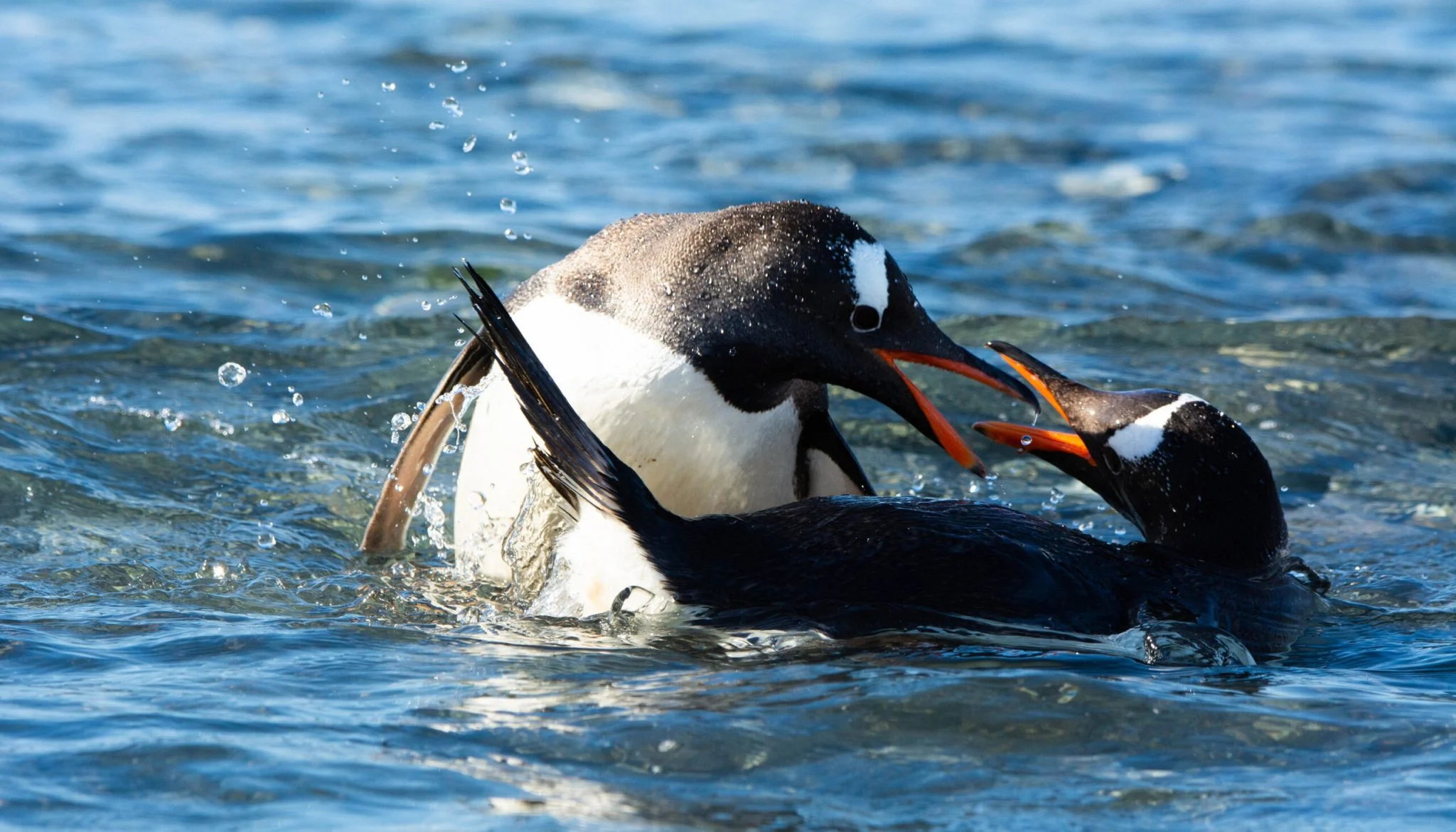
An international research team led by scientists from Chile and the University of California, Berkeley, published a paper in the journal "Communications Biology" announcing this discovery. This is the first time a new penguin species has been officially named in more than a century.
Researchers have discovered through genetic evidence that the widely distributed gentoo penguins, thought to be the same species in the past, are actually made up of four different species. One type of penguin remained unrecognized for so long because it looks very similar to other gentoo penguins, with a black back and white belly. This coloration helps them hide from predators and increase their efficiency in hunting prey in the ocean.
The newly discovered penguins are almost indistinguishable from other Gentoo penguins, except for subtle differences in size and vocalizations. Because the differences in appearance are minimal, but there are significant differences in genes, researchers classify them as "cryptic species."
The researchers also confirmed that three other groups, previously considered subspecies of gentoo penguins, are genetically unique enough to be recognized as full species. The future of the newly discovered Southeastern Gentoo penguin, Pygoscelis kerguelensis, and two other Gentoo penguin species is also uncertain as climate change reshapes Antarctic and sub-Antarctic habitats.
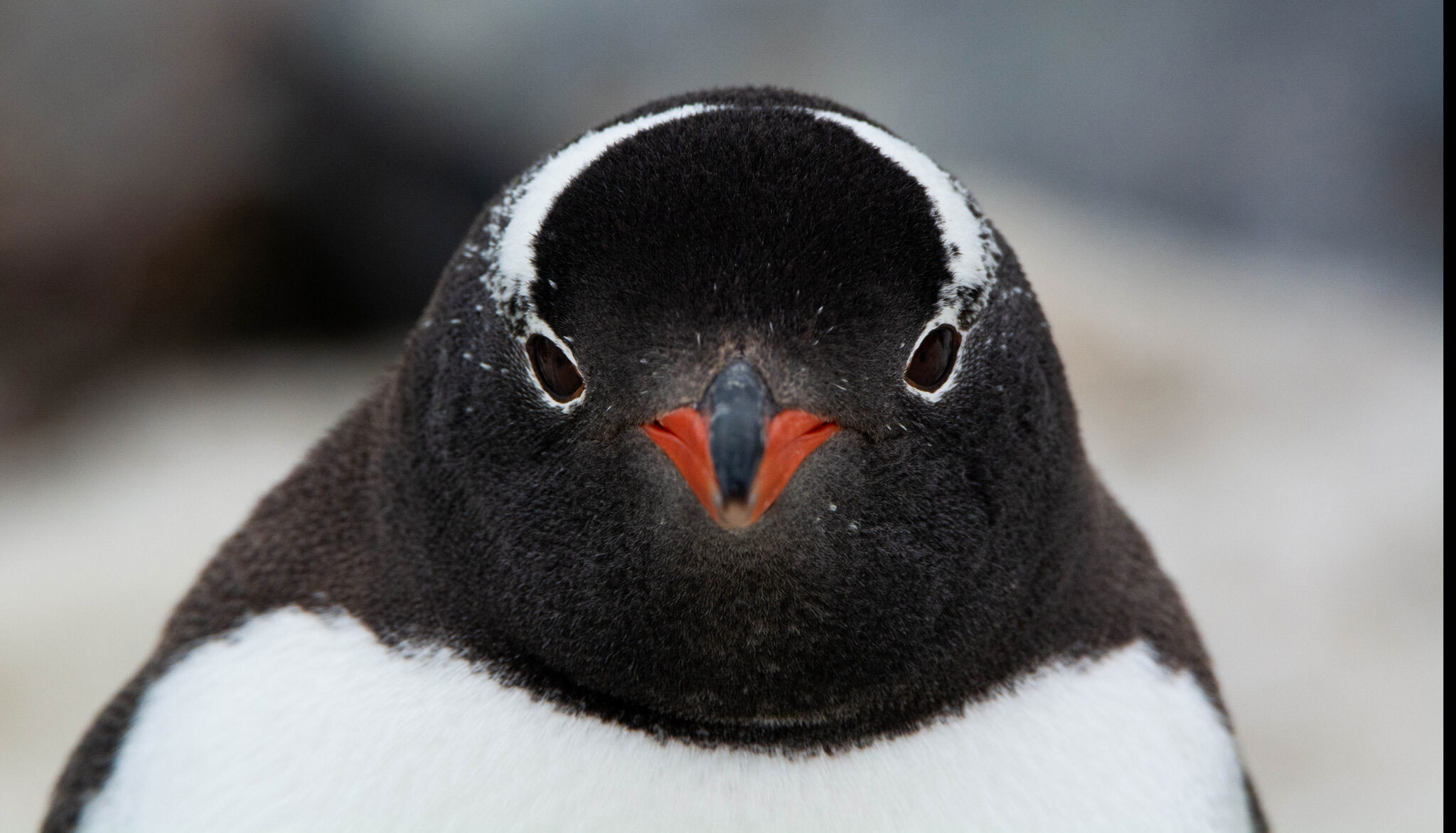
It currently appears that only the southern gentoo penguin, Pygoscelis ellsworthi, may escape severe impacts and may even benefit from its expanding Antarctic range.
Julianna Vianna, one of the senior authors of the paper and a professor of ecosystems and environment at the Andrés Bello National University in Santiago, Chile, said that in Antarctica, it is not the Gentoo penguins that are really threatened by climate change, but other penguin species; but in the sub-Antarctic region, the Gentoo penguins are particularly worrying. The Subantarctic region is located north of Antarctica and consists of a number of distant islands under the jurisdiction of Chile, South Africa, France, the Netherlands, Australia and New Zealand.
Vianna pointed out that conservation agencies in relevant countries must recognize this problem and take appropriate measures to save these three species of gentoo penguins.
Vianna, together with Larry Bowie, a scientist at the University of California, Berkeley, and Eli Pullan, a scientist at the University of Chile, organized penguin research experts from multiple countries to conduct this new genome study. Some scientists have previously suggested that there may be as many as six subspecies of gentoo penguins, but researchers have long been unable to agree on their classification.
The new study is based on the whole genome sequences of 64 penguins. The samples came from 10 breeding colonies, covering for the first time almost the entire geographical range of gentoo penguins. The researchers also compared physical and ecological characteristics of the penguins, including their coloration, calls, breeding times, food types and foraging behavior.
Bowie is director of the Museum of Vertebrate Zoology at the University of California, Berkeley. He said that of all penguins, the classification of gentoo penguins is probably the most controversial. For more than a century, scientists have debated how many species or subspecies they should be divided into. This paper attempts to answer this question using cutting-edge integrated research methods.
Bowie and Vianna have been collaborating to study penguin evolution and diversity for nearly a decade. In 2019, the two published research saying that penguins originated near Australia and New Zealand about 22 million years ago. Later, emperor penguins and king penguins split into two different groups, occupying the Antarctic and sub-Antarctic regions respectively.
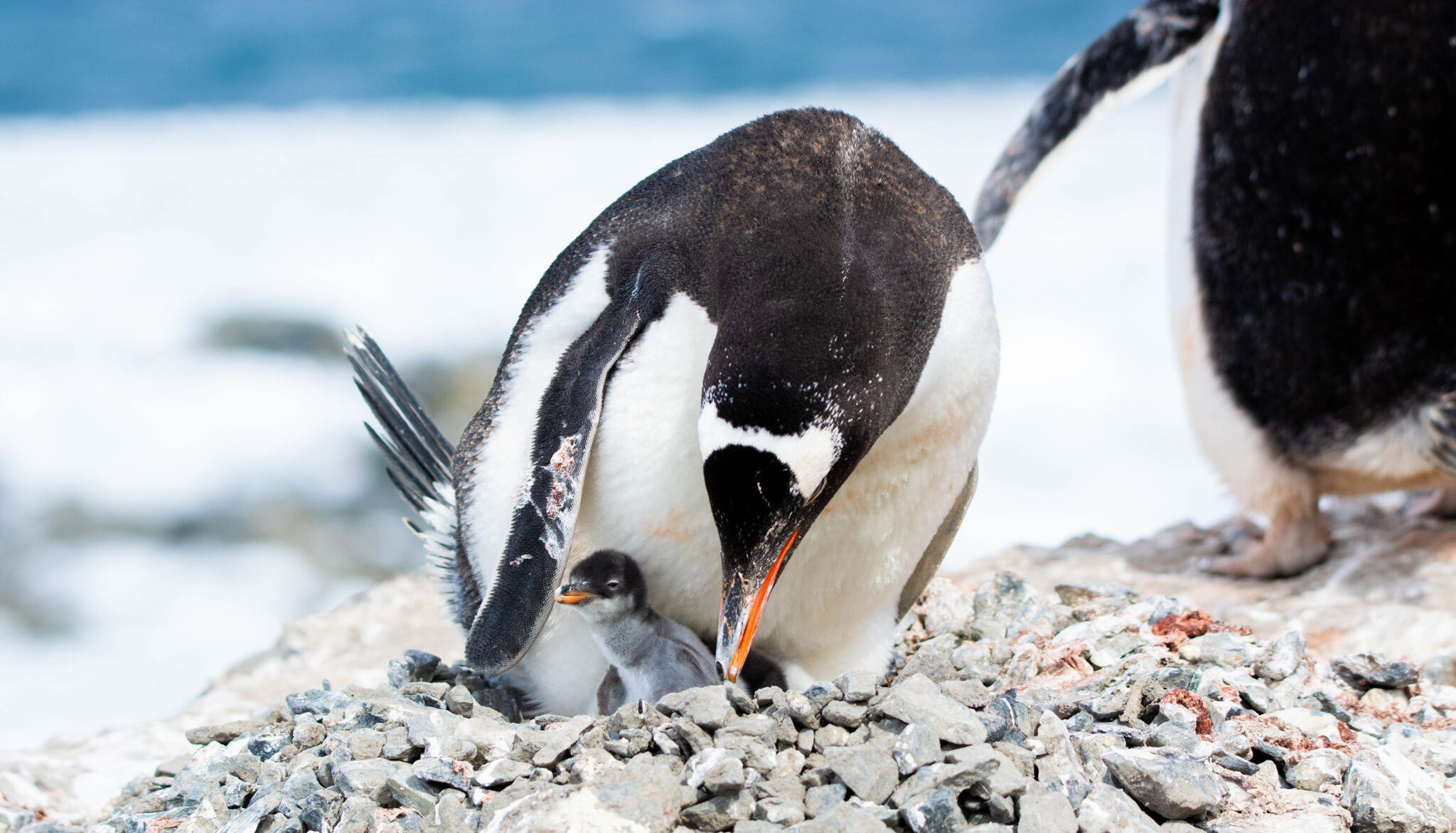
About 12 million years ago, the Circum-Antarctic Ocean Current formed, pushing other penguin species to spread to the sub-Antarctic region. Since then, penguins have gradually established populations on remote islands, with their distribution reaching as far north as Africa and parts of South America.
Gentoo penguins are different from many other penguins in that they eat a very diverse diet and will prey on almost any creature that can be caught underwater. As krill populations decline, this flexibility in feeding becomes an advantage. In contrast, the numbers of Emperor and Adélie penguins, which have more specialized diets, are declining, while the population of Gentoo penguins on the Antarctic Peninsula is still growing.
Researchers believe that this highly adaptable foraging behavior also drives the formation of new species. Gentoo penguins typically forage near their breeding colonies and return to the same breeding colony each year. Over time, isolated populations have developed unique behavioral and ecological characteristics.
Over the past 300,000 to 500,000 years, these isolated island populations gradually evolved into different species. Scientists say Antarctic fronts also reinforce this differentiation. Antarctic fronts can cause significant differences in water temperature and salinity, limiting the movement of animals between regions.
North of the Antarctic front, the water is relatively warm and salty. Here live the eastern lineage Pygoscelis taeniata, found in the Crozet Islands, Marion Island and Macquarie Island; and the northern lineage Pygoscelis papua, mainly found in the Falkland Islands, also known as the Malvinas Islands, and the nearby island of Martillo in South America.
The newly discovered southeastern lineage Pygoscelis kerguelensis evolved on Kerguelen Island and may also be distributed on nearby Heard Island and live near the Antarctic front.
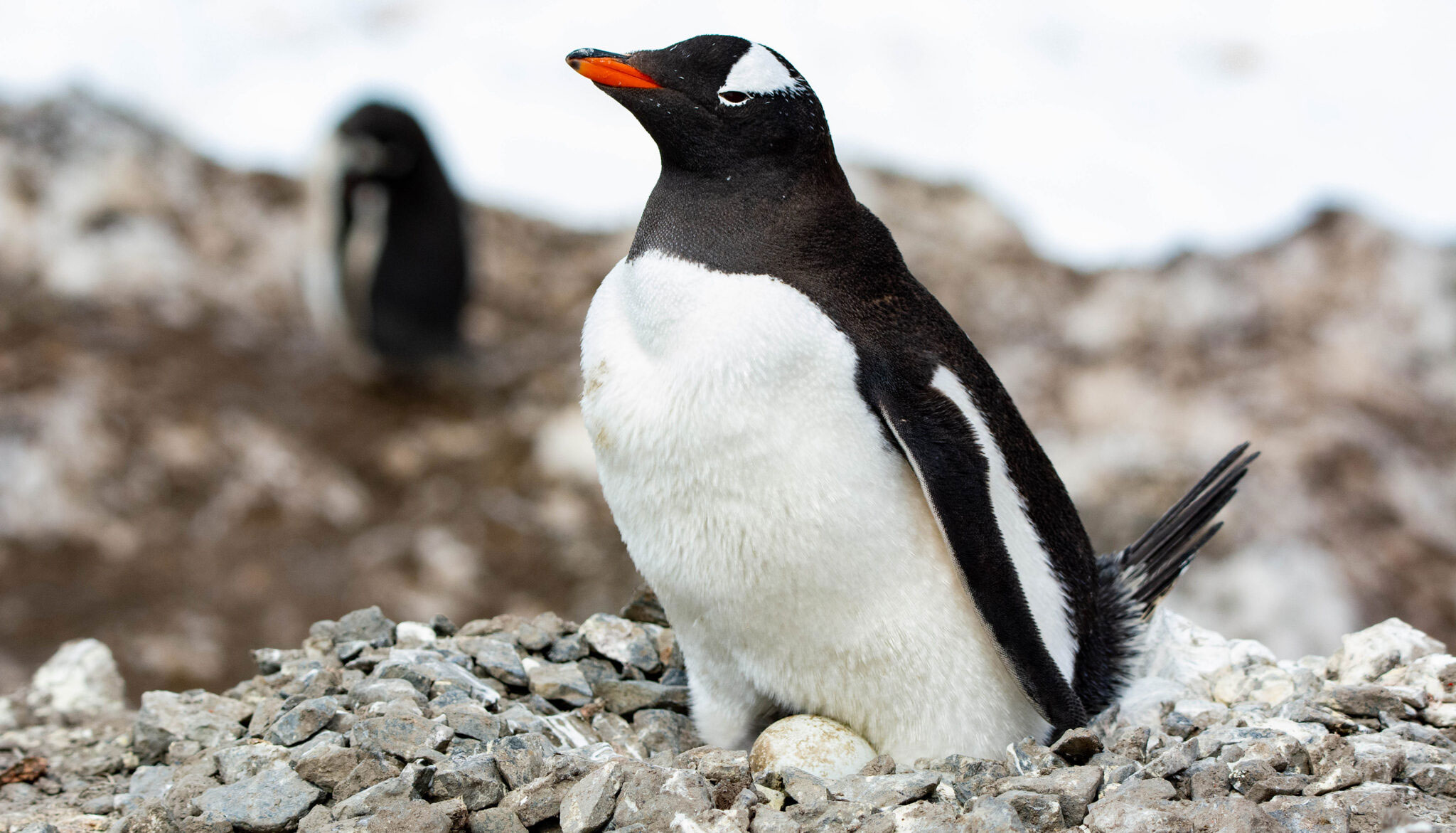
South of the Antarctic front is the southern lineage Pygoscelis ellsworthi. It is the largest population of gentoo penguins, found on the Antarctic Peninsula, along the coast of Antarctica, and on South Georgia.
This genomic study was led by University of Chile graduate student Daley Noll. Compared with earlier studies, the research team analyzed a wider variety of genes and examined thousands of single nucleotide polymorphisms. The results show that different species have adapted to their respective living environments at the genetic level.
For example, southern gentoo penguins living in Antarctica have more genes related to heat production, fat storage and light perception. Researchers believe these characteristics help them cope with extreme cold, seasonal sunlight changes, and intensely reflective ice surfaces.
Eastern Gentoo penguins have more genes related to efficient carbohydrate metabolism and enhanced diving ability. These genetic traits, involved in oxygen transport, blood vessel growth, mitochondrial function and lung development, may have helped them dive for longer periods of time in nutrient-poor waters.
Meanwhile, northern gentoo penguins living in South America displayed genetic traits related to digestion, heart function and muscle activity. Researchers believe these changes may help them maintain their underwater foraging activities for extended periods of time.
To predict the impact of climate change on Gentoo penguins, scientists used climate models to estimate which areas might still have suitable habitat in 2050. Under a moderate warming scenario, gentoo penguins on subantarctic islands could lose all suitable habitat on existing islands, with limited nearby alternative sites for migration.
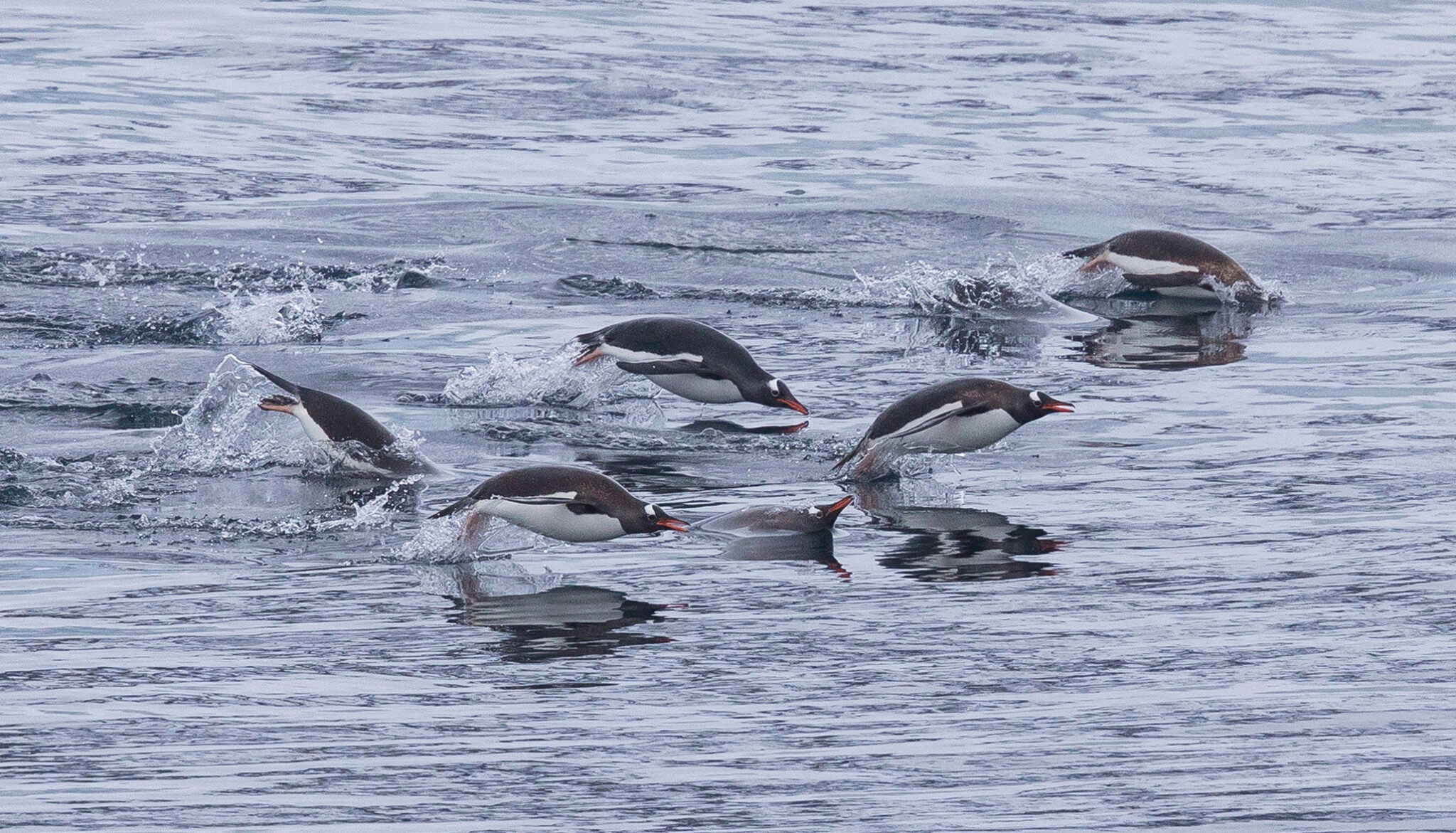
In contrast, gentoo penguins in the Antarctic region may expand further into Antarctica. As sea ice shrinks and krill populations decline, emperor, Adélie and chinstrap penguin populations may decline, leaving more space for gentoo penguins.
Vianna pointed out that many penguins in non-Antarctic areas also face increasingly serious threats, including ocean warming, habitat destruction, predators such as rats and dogs, competition from commercial fishing activities, and accidental capture in fishing nets.
From a climate change perspective, island species with extremely low populations may face similar risks as subantarctic gentoo penguins, she said. Galapagos penguins and other island penguins are endemic species and have almost nowhere to go once their environment changes. The islands are so remote that it is difficult for the penguins to adapt and move to other areas to establish populations.
Bowie said the large-scale genomic data collected in this study could also support more conservation studies in the future. Vianna is currently using penguin genomes to look for genetic traits associated with resistance to avian influenza. Avian influenza is affecting penguins, other birds and mammals around the world. The findings are expected to help scientists identify penguin populations most vulnerable to the disease.
Bowie said that whole-genome sequencing not only changes scientists' ability to study species adaptation and differentiation, but also has very important conservation value.
Comments