
Abstract:
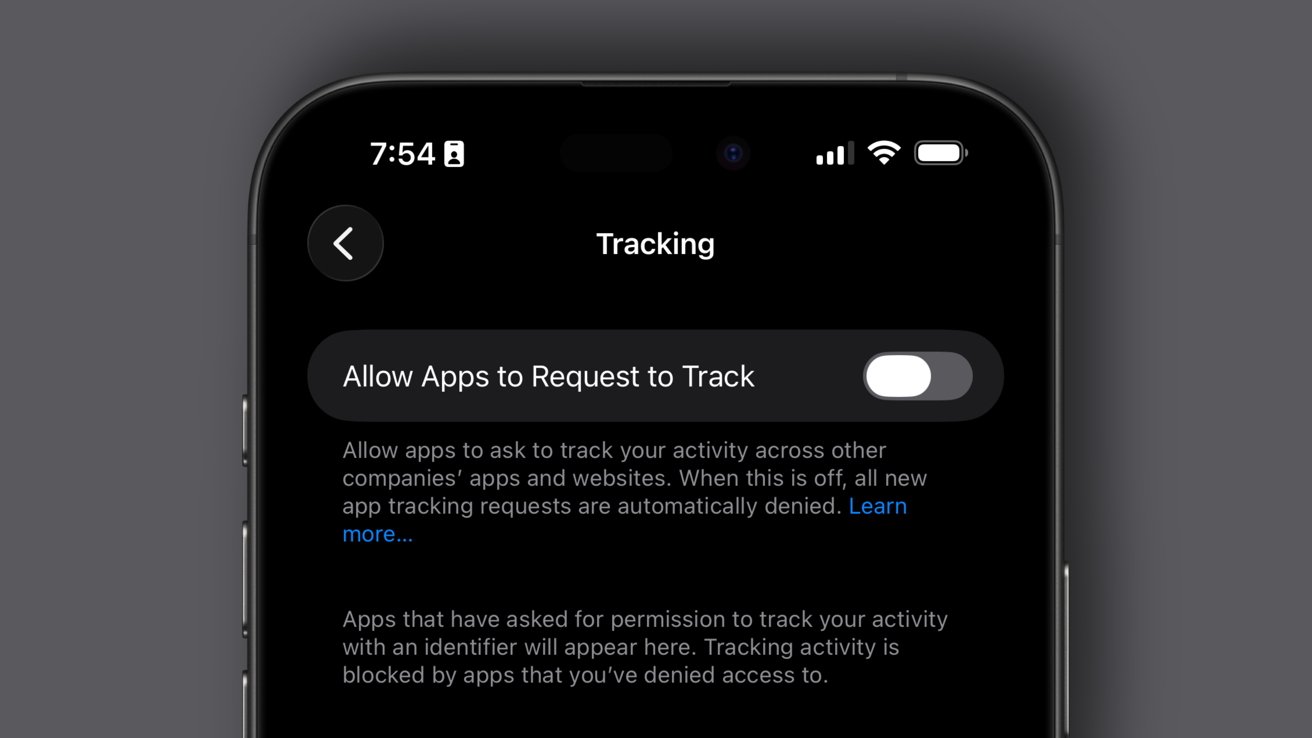
Ann Pope, the former senior director of the UK Competition and Markets Authority, has filed a class action lawsuit with the UK Competition Appeal Tribunal, demanding $2.7 billion in compensation from Apple over the "App Tracking Transparency" (ATT) policy. The lawsuit believes that although Apple launched this privacy feature in the name of protecting users, it actually increased the burden on third-party application developers and gave Apple itself a competitive advantage.
The UK Competition Appeal Tribunal is currently investigating another $4.1 billion case involving Apple involving iCloud services. This ATT lawsuit was also submitted to this court.
ATT functionality launched in 2021. When a user first opens an app that supports the relevant features, a prompt will pop up asking the user whether to allow the app to track their activities and use related data for advertising. If the user refuses, the developer will not be able to carry out corresponding advertising tracking based on this data.
This policy has a clear impact on app developers who rely on advertising revenue. In the first six months after ATT launched, multiple social media companies reported a combined revenue loss of nearly $10 billion.
Pope believes that Apple requires third-party developers to display ATT authorization prompts to users, but does not do the same for its own applications, thus creating an unfair competitive environment. She said privacy protection is important to consumers, but relevant rules must be applied fairly and ensure that businesses of different sizes can operate on a level playing field. She also pointed out that digital platforms cannot use privacy as a reason to adopt two different sets of rules for themselves and application developers.
Apple has not yet commented on the new lawsuit. The company has previously said that Apple's own apps do not track users for advertising purposes and therefore do not need to request relevant authorization from users. From a technical and factual perspective, Apple's explanation has certain basis, but this has not stopped regulatory agencies around the world from questioning ATT and even fining Apple.
France once punished Apple for its ATT policy, but did not require Apple to make specific adjustments. This lawsuit is more likely to take a page from Italy's approach. Italy fined Apple US$115 million in December 2025 and required it to modify its ATT policy. It is unclear whether Apple has implemented Italy's broader, but unclear, rectification requirements. Since then, German regulators have also proposed more specific adjustment requirements.
German regulators actually agree that ATT is fair overall, but still require Apple to further improve relevant arrangements.
Currently, the UK Competition Appeal Tribunal has not announced a timetable for hearing this case. Apple is expected to continue to emphasize in subsequent procedures that its own apps do not track user activity and therefore should not bear the same licensing obligations as third-party developers.
However, Germany's request for Apple to adjust ATT, and France and Italy's successive penalties for this policy, may have an adverse impact on Apple's position in the lawsuit. Even so, it is still difficult to judge whether Apple actually faces a compensation risk of US$2.7 billion, because it is not clear how the compensation amount proposed by the plaintiff is calculated.
This case may not enter the formal trial stage in the short term. For reference, the iCloud antitrust case being handled by the UK Competition Appeal Tribunal is not expected to be heard until the end of 2028.
Comments