
Abstract:
UBS’s latest research report reiterated Apple’s “neutral” rating and maintained a target price of $296. The bank tracked iPhone supply in more than 30 markets around the world and found that the average waiting time for iPhone 18 Pro was about 4 days shorter than the same period last year, while Pro Max was basically the same.
UBS believes that in the context of Apple raising the prices of its entire range of products this year, the shortened delivery waiting time may reflect weakening consumer demand and limit the room for further upward revisions to iPhone sales forecasts. Based on the reported share price of $344.67, UBS's target price is approximately 14.1% lower than current levels.
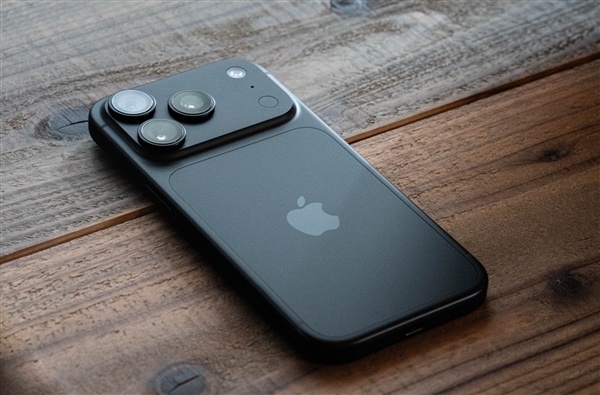
Global waiting time shortened, Pro Max reduced by 5 days per week
UBS Evidence Lab tracking data shows that the average delivery waiting time of iPhone 18 Pro has been shortened by about 4 days year-on-year, while Pro Max is roughly the same as the same period last year.
Regional differences are more obvious: the waiting time for Pro in the U.S. market increased year-on-year, but this was offset by shortened waiting times in European and Japanese markets; the waiting time for Pro Max in the United States also increased, but changes in other markets, especially the Chinese market, offset this impact.
Judging from the changes in the past week, the waiting time for Pro has been shortened by about 1 day, and for Pro Max, it has been shortened by about 5 days.
In contrast, the waiting time for Pro in markets outside the United States during the same period last year, and the waiting time for Pro Max in the Chinese market, remained basically stable month-on-month.
UBS believes that when supply is relatively stable, the continued shortening of delivery waiting times is worthy of vigilance.
After a full range of price increases, demand price sensitivity has become a major risk
Apple has raised the prices of its entire range of iPhone products this year, making the sensitivity of demand to price changes a new focus.
UBS pointed out that if consumers’ acceptance of higher selling prices is less than expected, it may affect demand for new phones. Combined with recent changes in waiting times, the bank believes that there is currently a lack of basis for further upward revisions to iPhone sales forecasts.
However, Wall Street remains divided over Apple's demand outlook.
Evercore ISI maintains Apple's "outperform" rating and a target price of US$380; KeyBanc maintains an "underweight" rating and a target price of US$250, worried about demand for new phones.
Bernstein also maintained an "outperform" rating, but expressed concerns about Apple's fourth-quarter gross profit margin and sales guidance.
Apple’s stock price is close to its 52-week high, and its valuation has increased performance requirements
According to report data, Apple’s stock price is approximately US$344.67, close to the 52-week high of US$348.15, with a price-to-earnings ratio of 39.31 times.
At the same time, the global smartphone market as a whole is under pressure. IDC data shows that global smartphone shipments fell 22% year-on-year in the third quarter, mainly affected by the AI industry pushing up the cost of memory chips.
In this environment, the relative competitiveness of Apple's high-end products is still an important support, but the higher valuation means that the market has higher expectations for sales, pricing and profit margin performance.
The main basis for UBS to maintain its neutral rating this time is that the current new machine delivery data has not yet shown strong enough demand improvement to support a further increase in profit forecasts.
Comments