
Abstract:
Preliminary data from Counterpoint Research states that global smartphone shipments fell 20% year-on-year in the third quarter of 2026, hitting the lowest level in the third quarter since 2012. While the overall market is shrinking rapidly, Apple's iPhone shipments have also declined, but its global shipment share still rose to 22%, the highest in Apple's history in the third quarter. Samsung ranked first with 23%, followed closely by Apple.
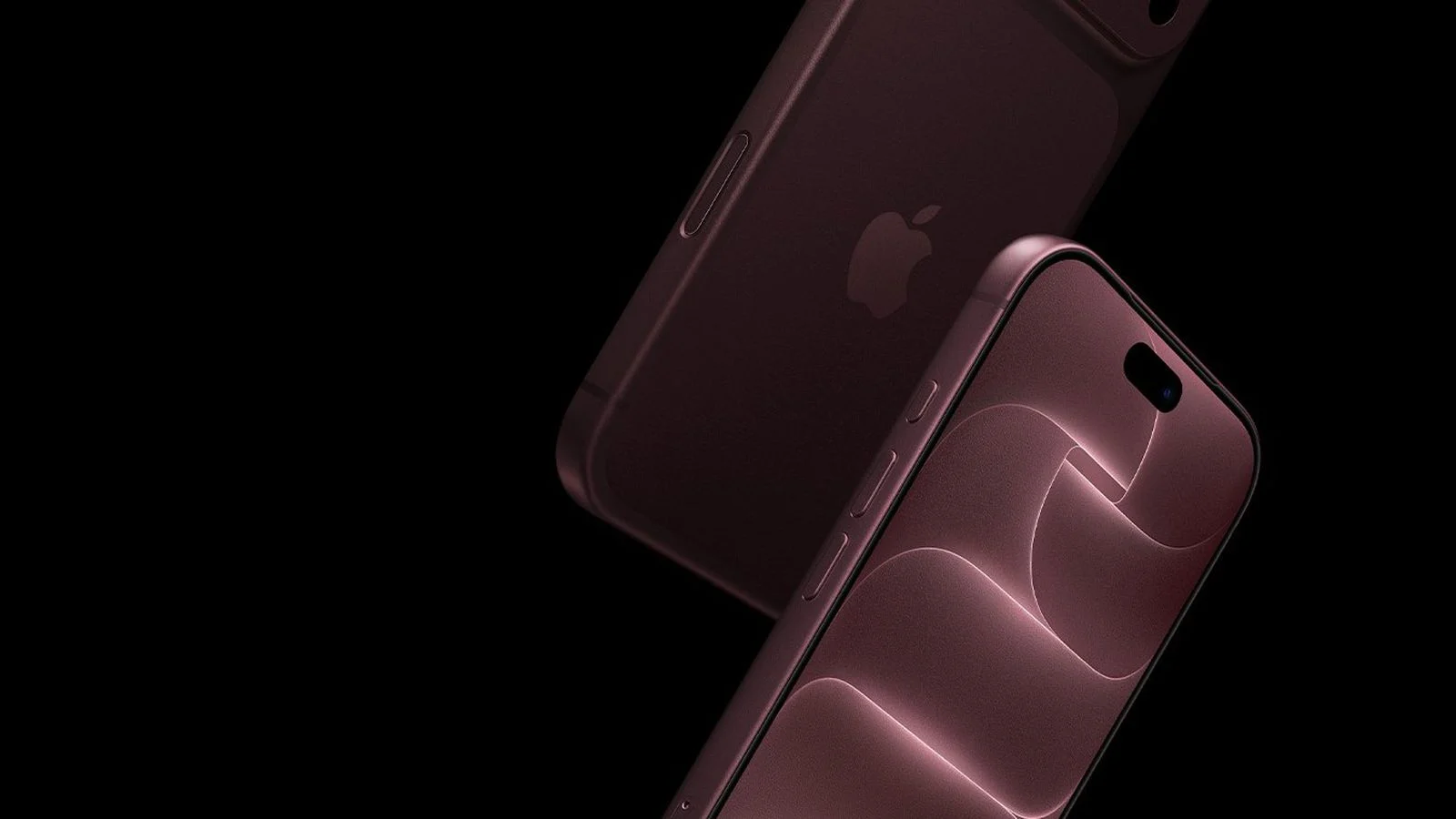
The decline in Apple shipments is mainly related to the pace of new product releases this year. When Apple launched the iPhone 18 Pro series in September, it did not simultaneously release the standard version of the iPhone 18. Therefore, the number of models distributed to retail channels during the initial launch of the new phone was less than when the entire iPhone 17 series was launched last year. Counterpoint pointed out that the initial performance of the iPhone 18 Pro series was stronger than that of the previous generation Pro models, especially in the Chinese and Indian markets; continued demand for the iPhone 17 series also supported shipments. Demand for high-end phones is relatively strong, helping Apple increase its share when the overall market weakens.
Samsung’s global share in the third quarter was 23%, and its shipments decreased by 3% year-on-year, but its share increased the most among major brands. Counterpoint attributed its performance to better supply conditions, early demand for the new foldable screen Galaxy Z Fold8 series, and Samsung's layout in the high-end market. Xiaomi's shipments fell by more than 30% year-on-year, and its share fell to 10%; OPPO and vivo's shipments both fell by more than 20%, and their shares were 9% and 8% respectively. Counterpoint said that rising memory costs have prompted manufacturers to adjust product portfolios and pricing strategies, with some brands reducing supply of low-priced models and thin-margin markets.
Memory chip shortages and price increases are important backgrounds for market weakness this quarter. Counterpoint said that the rising costs of DRAM and NAND have pushed up the material costs of mobile phones, and tight supply has also restricted manufacturers' shipments. After mobile phone brands passed on part of the costs to consumers, global smartphone retail prices have increased by about 20% this year. Under price pressure, consumers extend their replacement cycles, turn to refurbished phones, or pay more attention to product value. Budget phones are more obviously affected than high-end phones. The agency predicts that if parts supply and costs do not improve, the market will remain under pressure for the rest of 2026, and manufacturers may continue to prioritize profit protection over shipment scale.
The Chinese market shows a similar trend. IDC data shows that China's smartphone shipments in the third quarter were 57.9 million units, a year-on-year decrease of 15.4%, marking the sixth consecutive quarter of decline. Huawei ranked first with a share of 21%, and Apple ranked second with 17.8%; Apple’s local shipments fell by 4.3% year-on-year, which was smaller than the overall market. IDC said Apple's new iPhone sales were better than expected, but there were fewer new models on the market this year, which still dragged down total shipments. It should be noted that global share and shipment trends come from Counterpoint's preliminary sell-in statistics, that is, manufacturers' shipments to channels, not actual purchases by final consumers; Chinese market data comes from IDC, and the statistical scope and caliber of the two sets of data are different.
Comments