
Abstract:
Recently, the American documentary "You Can See Everything" produced by A24 has been officially released in North America. Media reputation is lifted. As of press time, the film has been rated by 37 media outlets on M station, with an average score of 99 points, and has received the platform's "must-see certification".
Some media comments:
100 points | "The Guardian"
"You Can See Everything is somehow more shocking, twisty, tricky, and revealing than the hype suggests. It's a jaw-dropping, mind-shaking maze of psychological mirrors, and an exciting, once-in-a-lifetime encounter between director and subject."
90 points|"Variety Show"
"You Can See Everything is one of the least 'pure documentary' films imaginable, and that's part of its charm. It's a unique circus of psychological drama, blending reality show with a relaxed cinematic experience, but at the same time always with the intention of truly exploring the truth."
90 points|"Hollywood Reporter"
"The film initially presents an extremely intimate portrait of a man blinded by delusions or deliberately deceived. But as the story unfolds, it gradually reveals a crazier, more ambitious, and more unpredictable side, ultimately forcing us to think: What is the value of a personal belief in the truth?"

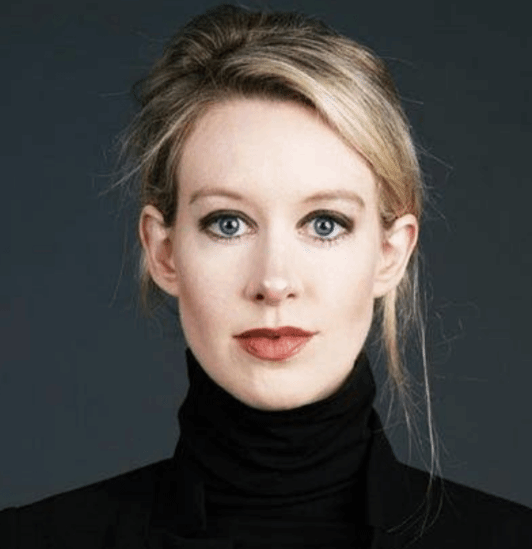
"You Can See Everything" is co-directed by Nathan Fielder and Lance Oppenheim. The protagonist is Elizabeth Holmes, the founder of the American medical technology company Theranos. She is also the core figure of the "Silicon Valley Shocking Scam" that once shocked the world.
The film records the 34 days before Holmes invited a camera crew to film his life. After that, the crew spent another three years tracking her daily life with her partner Billy Evans. What originally seemed like a character documentary focusing on personal life has gradually evolved into an in-depth exploration of truth, deception and lens ethics.
Holmes was once called the "female version of Steve Jobs" by the media. She deliberately imitated the image of Apple founder Steve Jobs, wore the iconic black turtleneck sweater all year round, advocated minimalism, and frequently appeared on the covers of mainstream technology and financial media.
She was once regarded as a disruptor in the field of medical technology, and the Theranos she founded had high hopes. However, the company eventually collapsed due to fraud issues caused by its blood testing technology and related commercial promotions, and Holmes became one of the most controversial figures in the history of American technology entrepreneurship.

Comments