
Abstract:
As we age, senescent cells will continue to accumulate in the human body. These cells, often called "zombie cells," have stopped dividing but remain metabolically active and continue to release inflammatory molecules, contributing to the chronic inflammation associated with frailty, cardiovascular disease, cancer, neurodegenerative diseases and other aging-related diseases.
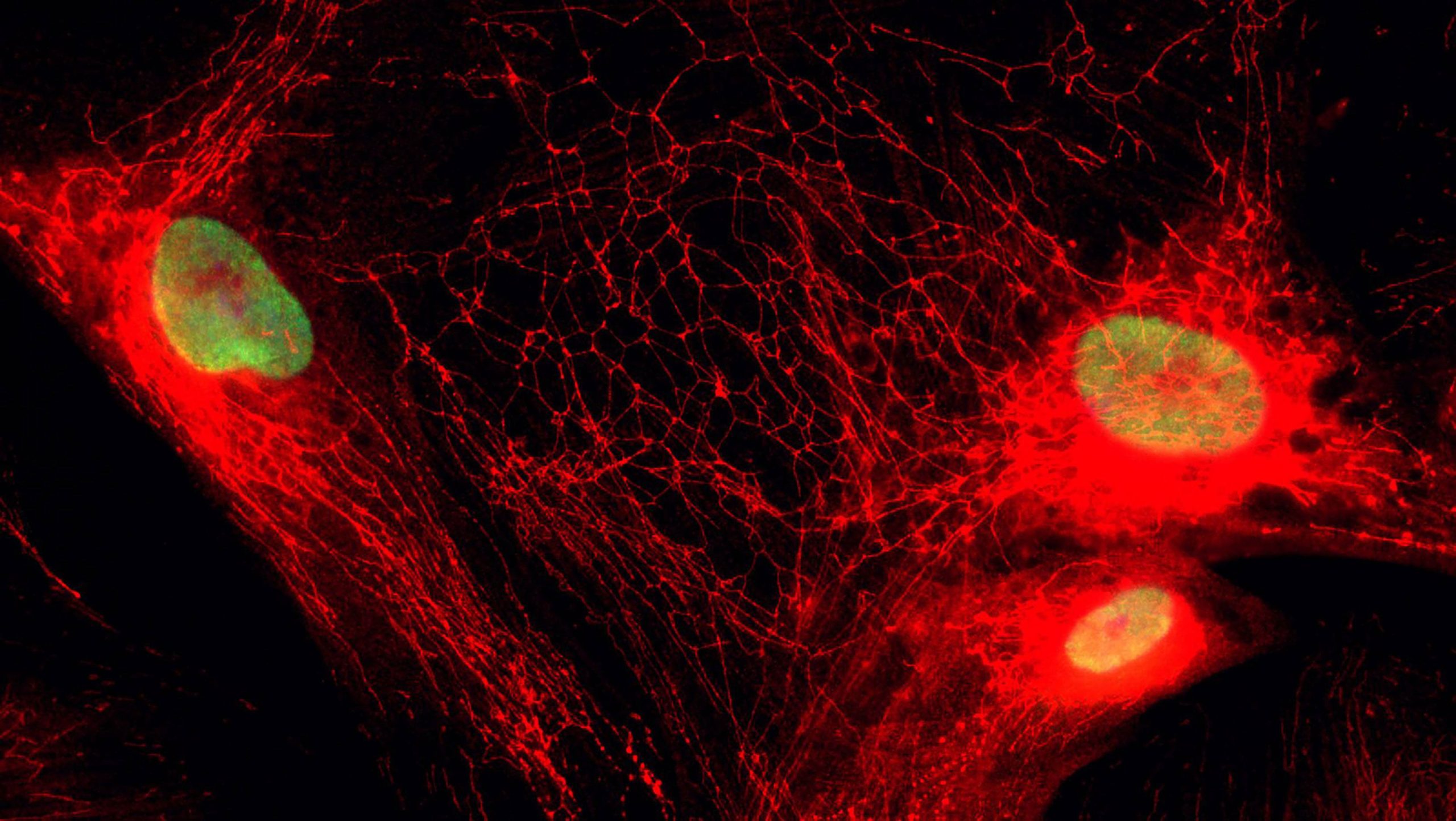
A new study conducted by the Mayo Clinic in collaboration with the Sanford Burnham Prebys Medical Discovery Institute has discovered a previously unknown mechanism that explains how senescent cells switch inflammatory genes to a highly active state. The findings show that dysfunctional mitochondria interact with epigenetic mechanisms that regulate gene activity, which may provide new ways to reduce harmful inflammation without directly clearing senescent cells.
This study was published in the journal Nature and is based on many years of research in the academic community. Previous research has focused on the senescence-associated secretory phenotype, a set of inflammatory molecules released by senescent cells.
Dr. Joao Passos, senior author of the study and a researcher at the Mayo Clinic, said that for many years, related fields have been working to eliminate senescent cells, and they took a different approach: Instead of killing these cells, they should study whether they can turn off the inflammatory mechanism that makes them harmful.
The Pazos lab previously discovered that damaged mitochondria leak mitochondrial DNA and RNA into the interior of the cell. These "misplaced" genetic molecules can activate immune pathways that promote inflammation. New research shows that this inflammatory alarm is just part of the process.
The research team found that inflammatory signals alone are not enough to fully activate the relevant genes, said Dr. Helen Martini, the study's first author and a researcher at the Mayo Clinic. These cells also require metabolic signals from mitochondria, changing the way inflammatory genes are turned on.
This additional signal involves acetyl-CoA. Acetyl-CoA is a molecule produced by mitochondrial metabolism. The researchers found that senescent cells make more acetyl-CoA, supporting epigenetic modifications, which are chemical changes that influence whether genes are active without changing the basic sequence of DNA.
These modifications make inflammatory genes more accessible to the molecular machinery responsible for reading genes in cells, thereby enhancing the expression of related genes. In other words, the process is divided into two parts: leaking mitochondrial DNA and RNA are responsible for triggering inflammatory signals, while mitochondrial metabolism provides a molecular level "permission" for inflammatory genes to finally be fully turned on.
Dr. Martini said this is a completely new pathway. The research team found that dysfunctional mitochondria can promote inflammation by controlling epigenetic switches that turn on inflammatory genes.
The researchers also identified a possible point of therapeutic intervention. They focused their attention on SLC25A1. This is a mitochondrial citrate transporter that is involved in supplying the substances needed to produce acetyl-CoA, which is an important basis for the above-mentioned epigenetic changes.
When the researchers blocked SLC25A1, less acetyl-CoA was available in the cells and activation of inflammatory genes decreased, although the initial immune-inflammatory signal remained. This discovery reveals a previously unrecognized control node in the inflammatory process, suggesting that targeting this pathway may be able to promote a healthier aging process in the future without destroying senescent cells.
Comments