
Abstract:
Smart rings are no longer limited to recording voices, connecting to artificial intelligence, or assisting in sports training. There are already products on the market that can monitor sleep quality, connect to various health applications, and even help users understand blood flow conditions through smart earrings. Engineers at the University of California, San Diego, recently developed a new smart ring. The device uses osmosis to continuously measure a variety of biomarkers such as alcohol, glucose, ketones, lactate, vitamin C (ascorbic acid) and uric acid, and transmits the data to a smartphone app.
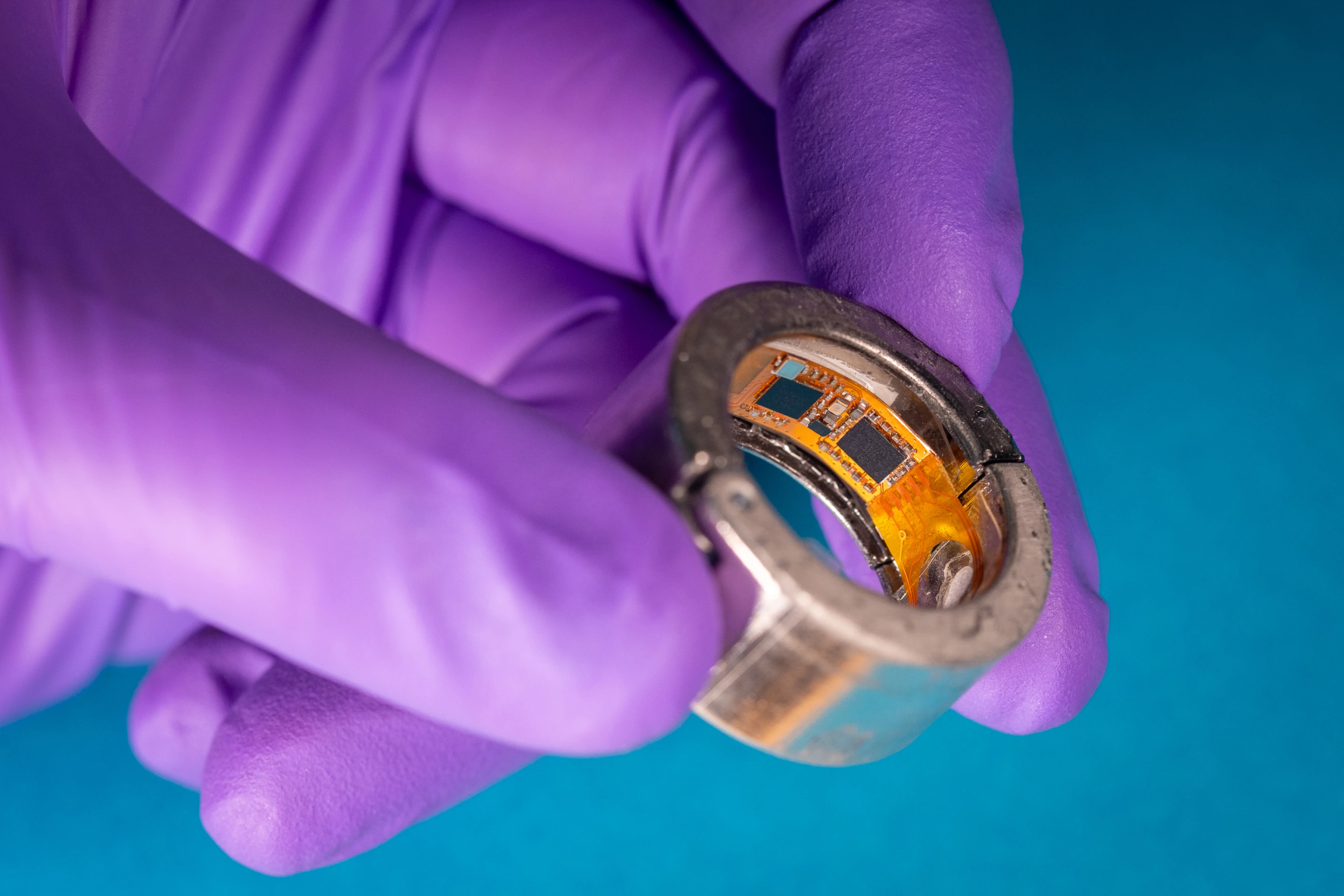
In a research paper published in "Nature Communications", the co-first authors of the paper, Tamogna Saha, Ding Shichao and Qin Siyu, said that they have developed a smart ring with a compact structure and highly integrated functions, which can simultaneously monitor a variety of chemical biomarkers in real time and become a counterpart to existing smart rings in the field of biochemical monitoring.
The research team stated that this device breaks through the limitations of commercial smart rings that mainly focus on physiological signals such as heart rate and sleep, allowing users to continuously understand biochemical changes in the body, thereby promoting the development of personalized and miniaturized medical technology.
Saha, a postdoctoral researcher on the team, said that commercial smart rings usually can only provide physiological information, but cannot obtain data on molecular-level biochemical markers, which can help people gain a deeper understanding of their own health.
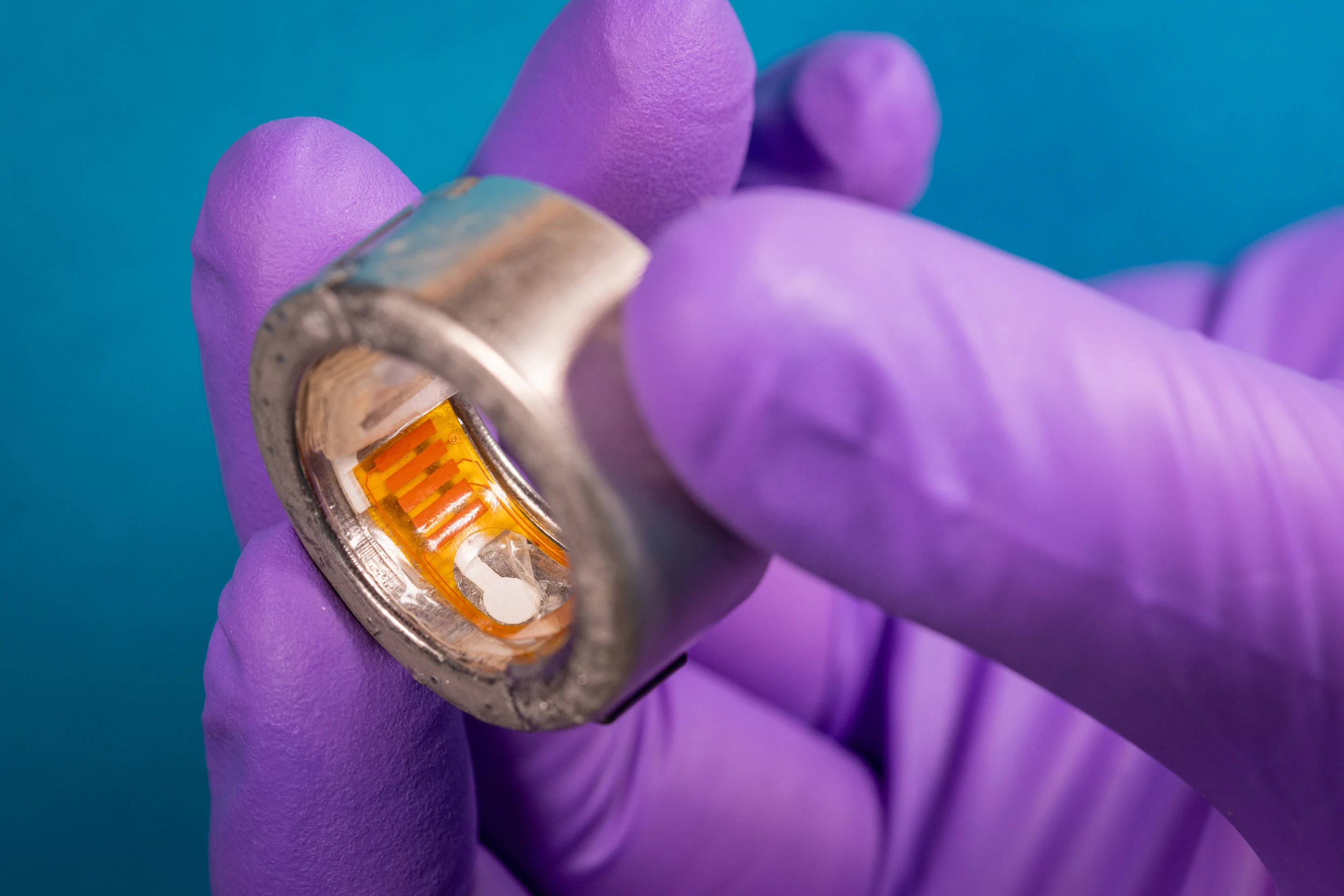
This ring uses painless penetrating hydrogel sweat sampling technology developed by the Saha team and does not require users to sweat through exercise. In other words, users can obtain continuous health monitoring data without continuously running, cycling, or performing other strenuous activities. This feature is expected to help people detect diabetes-related risks earlier and also help determine whether the body is getting enough nutrients.
This technology will be especially valuable for sedentary workers, people who are physically unable to sweat, or have limited mobility; the ring can continue to work even during sleep. Research leader Professor Wang said the ring, which can capture dynamic molecular information in real time, will help people make more informed decisions about health, diet and lifestyle. For example, continuously tracking blood sugar and ketone levels simultaneously will help people with diabetes optimize their insulin dosage.
In tests, the UC San Diego smart ring performed well, comparing its monitoring results to those of a continuous glucose monitor used by people with type 1 diabetes and a commercial blood tester used to track ketone levels. Integrating two devices that were originally needed into one ring is expected to improve the convenience and concealment of wearable medical devices at the same time.
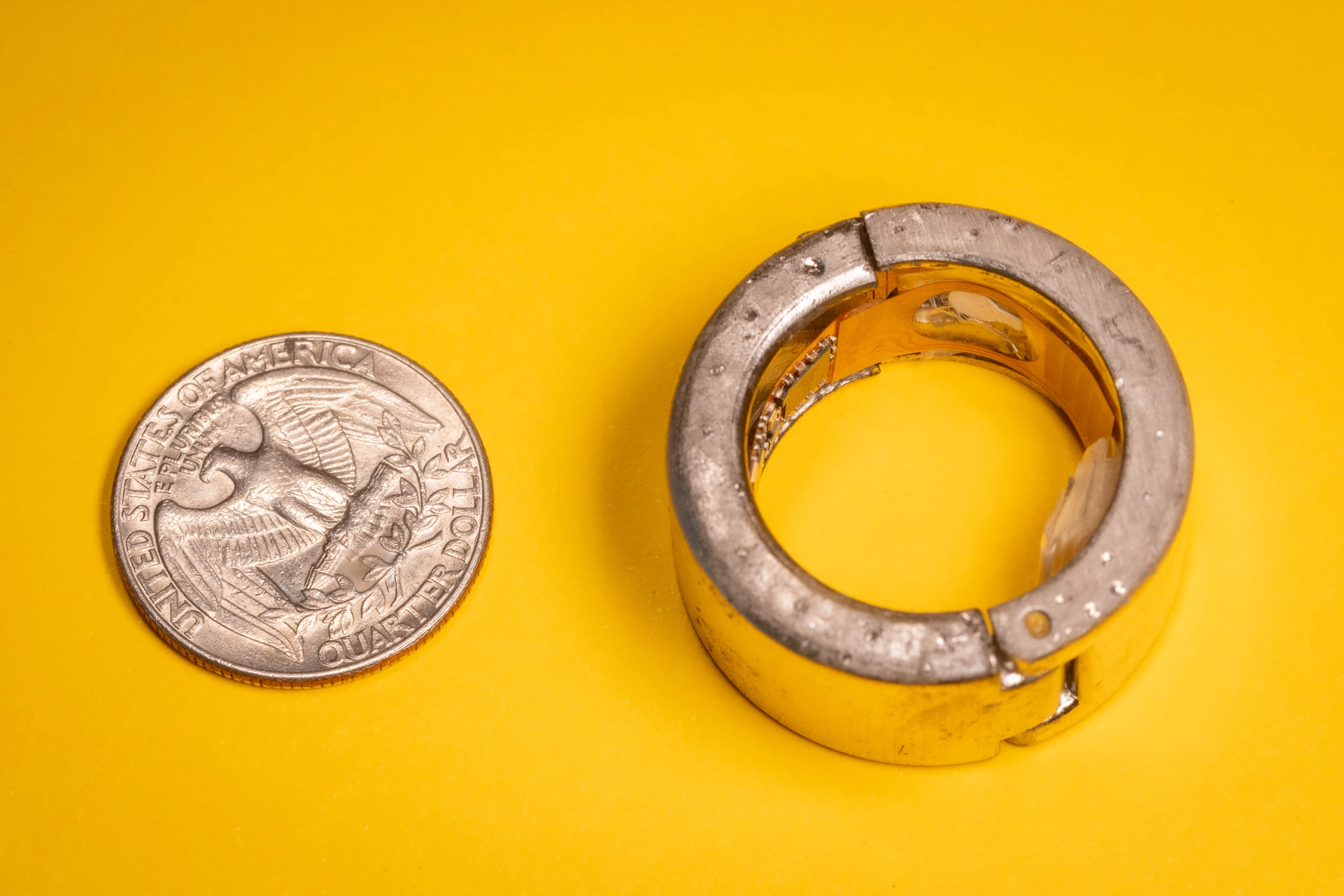
In addition to its portability, the ring is capable of continuous monitoring for approximately 12 hours and is calibrated to the user's specific physiological and biochemical factors. Studies show calibration stability lasts for two months, providing users with a more personalized and potentially more accurate assessment of biomarker changes.
Researchers point out that the hidden nature of medical devices should not be underestimated. Many patients experience social stigma for needing medical help and may even neglect their own health as a result. This device, which can be integrated into daily life and looks like an ordinary ring, may reduce the psychological burden on users when receiving continuous health monitoring.
Comments