
Abstract:
Honey has always been widely used in food, cosmetics and traditional medical fields. Its antibacterial, anti-inflammatory, antioxidant and wound healing properties have long attracted attention. However, a recent study conducted by Italian scientists found that honey may also have a previously unknown function: helping human skin cells resist damage caused by ultraviolet radiation and, to a certain extent, slowing down cell changes related to skin aging.
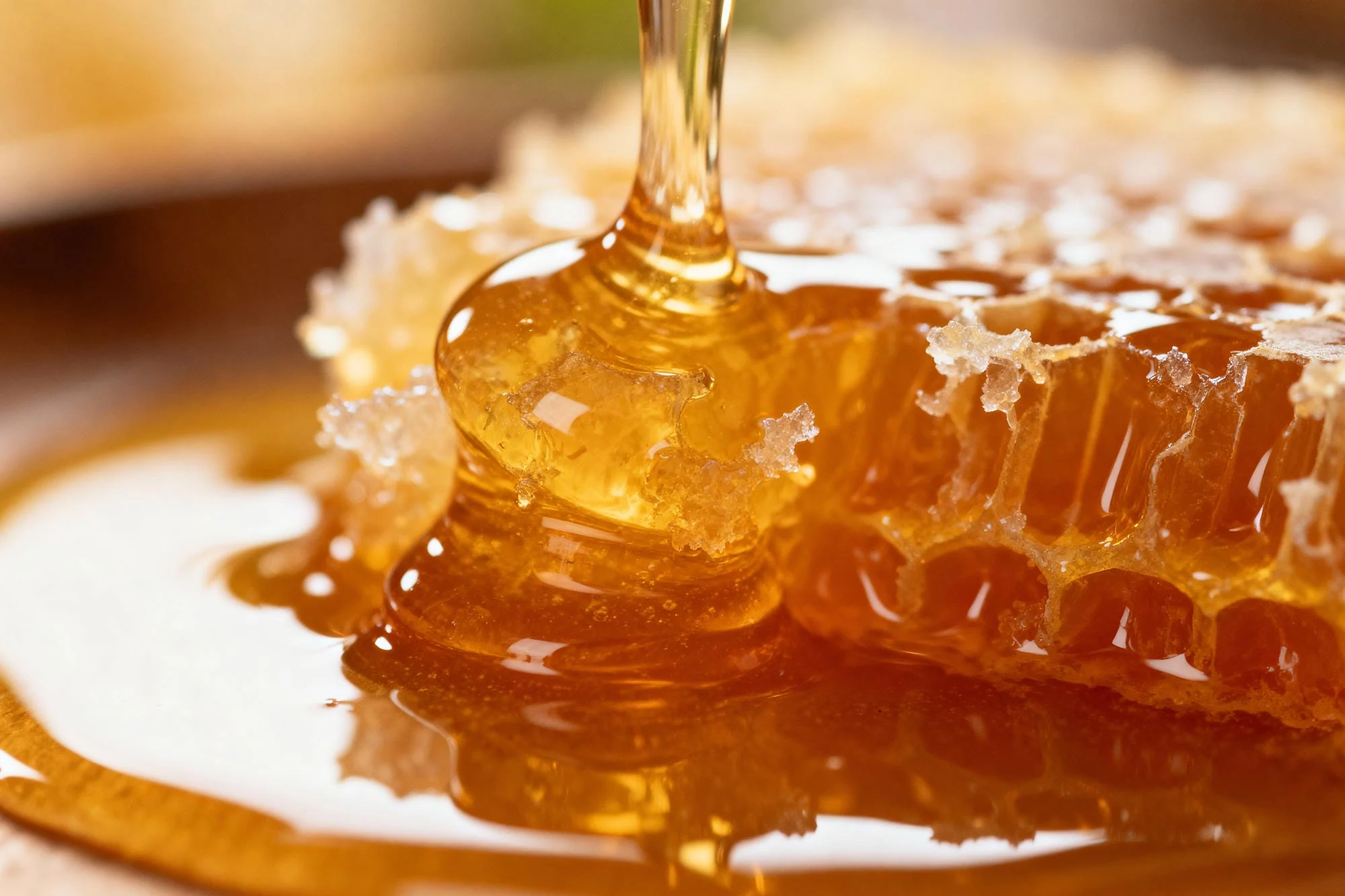
This study was conducted by a research team at the University of Sassari in Italy, and the relevant results were announced at the 2026 Society for Experimental Biology meeting. The researchers focused on examining the effect of Multifloral Honey on human skin cells, hoping to determine whether this natural honey can provide certain UV protection at the cellular level.
Ultraviolet radiation in sunlight not only accelerates skin aging, but also brings oxidative stress to skin cells, causing cell damage, and may be involved in a series of biological changes that precede the occurrence of skin cancer. Previously, honey has been used in medical-grade wound dressings, gels and ointments due to its antioxidant and anti-inflammatory properties, especially in the treatment of burns and difficult-to-heal wounds. Manuka honey is one of the more well-known medical honeys.
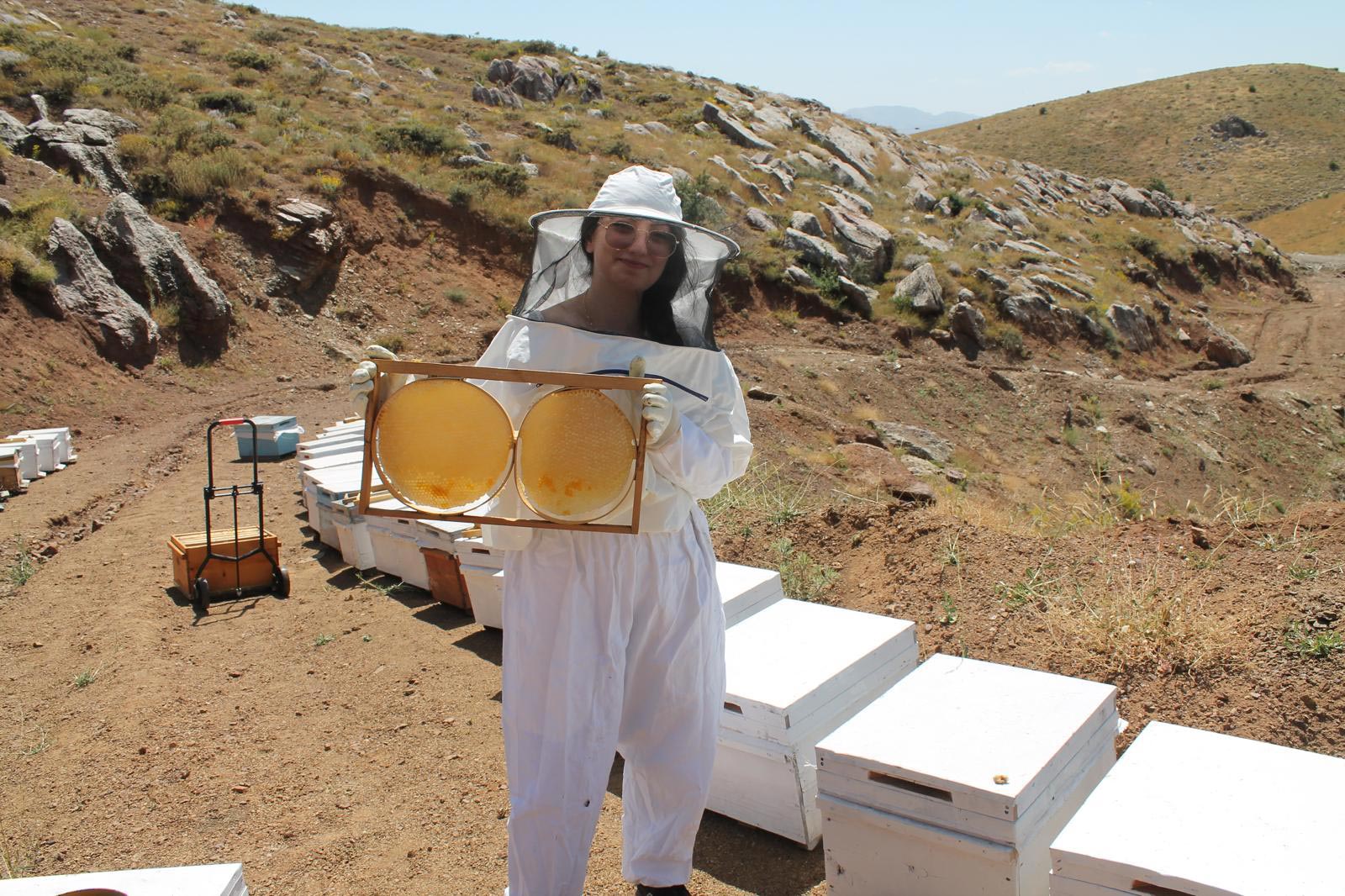
Fikiye Fulya Kavak, a researcher involved in the study, said she has always been interested in honey with medical uses such as Manuka honey, as well as beekeeping and cosmetic science. So she wanted to learn more about whether higher-quality multifloral nectar could also have a measurable protective effect on human skin cells.
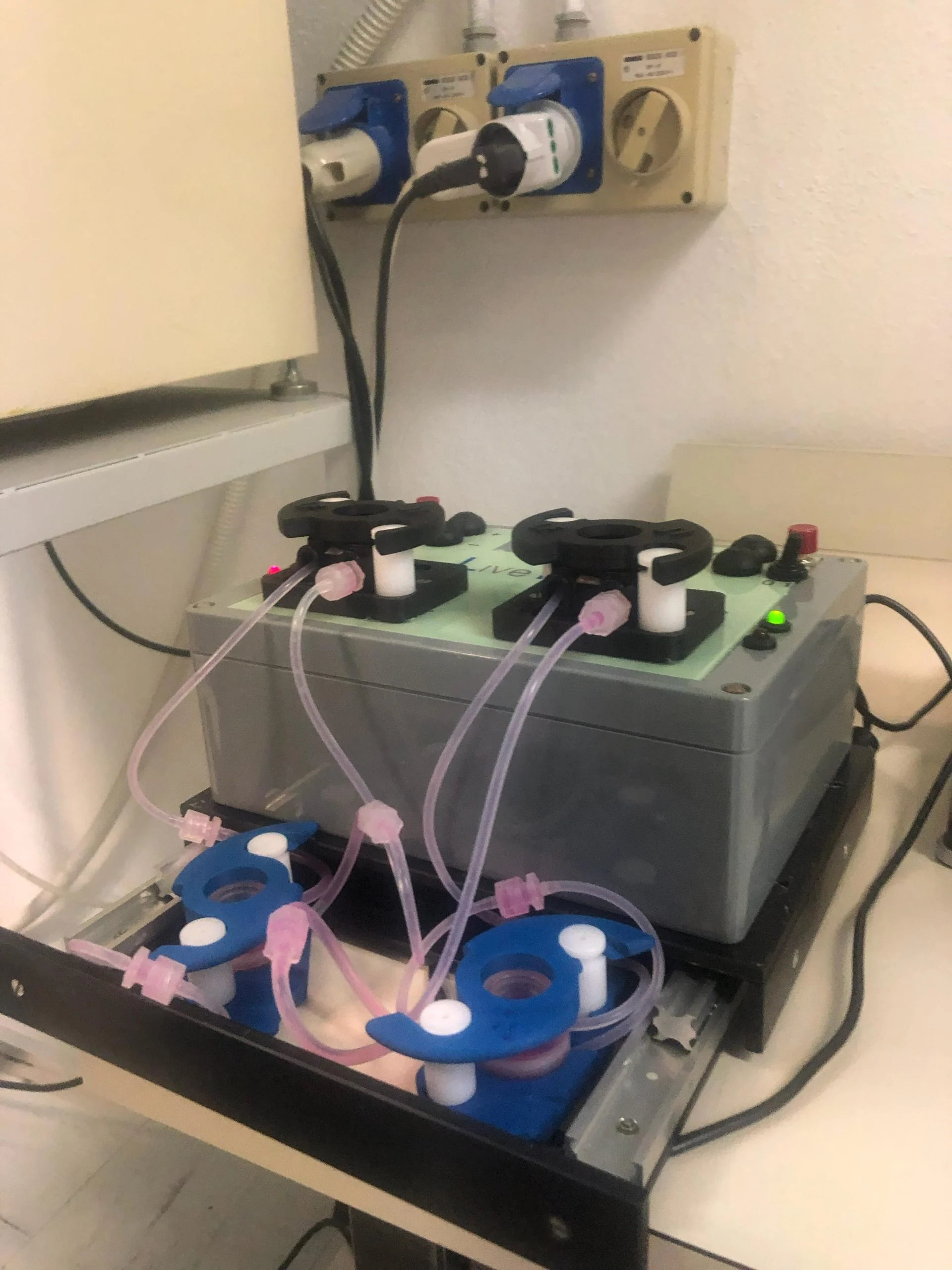
In order to verify this idea, the research team established an experimental system that simulates the human skin environment. They co-cultured human skin stem cells, fibroblasts and keratinocytes in a continuous flow bioreactor, allowing the cells to grow in an environment relatively close to real skin tissue.
During the experiment, some cells were treated with polyfloral nectar at a concentration of 1% for 48 hours before being exposed to ultraviolet irradiation, while the other cells were not treated with honey and served as a control group. The researchers then irradiated the two groups of cells with ultraviolet light and compared their biological responses after being stimulated by radiation.
The research team used real-time quantitative PCR technology to detect the expression of a variety of genes related to cell aging, stress response, tissue renewal and stem cell characteristics. The so-called stem cell characteristics refer to the ability of stem cells to replicate themselves or further differentiate into mature cells with specific functions.
Experimental results show that cells pretreated with honey show better stress regulation capabilities when faced with ultraviolet stimulation. Among them, the expression of markers related to maintaining stem cell properties increased in skin stem cells, while the expression of genes related to cell aging decreased.
At the same time, the nitrogen oxide released by the stem cells treated with honey was significantly reduced, and the overall antioxidant capacity was enhanced. This means that honey may help cells better control the oxidative stress response triggered by ultraviolet radiation, reducing the biological stress on cells.
The researchers also found that honey treatment changed the expression levels of some genes involved in cell protection, proliferation and tissue renewal. These changes suggest that multifloral nectar may not simply enhance the cells' repair response, but may also help skin cells maintain a more stable physiological state after being stimulated by ultraviolet light.
What interests the research team most, Kavak said, is that honey appears to help cells regain a healthier balance after exposure to UV stress. Rather than causing cells to mount an overly strong repair response, it supports cells to initiate protective mechanisms while appropriately regulating signals related to tissue renewal.
However, the researchers emphasized that the current results cannot be directly translated into human skin care recommendations. This study was done entirely in cell experimental models and was not tested on real humans, so it is not yet certain whether honey would have the same effect in an actual skin environment.
The research team pointed out that more laboratory research, preclinical research and human clinical trials are still needed to determine whether multifloral honey truly has an applicable UV protection effect, and whether this protective effect is stable under different skin types and different usage conditions.
The researchers also reminded that honey cannot replace traditional sunscreen products. Even if future research further confirms that honey has a certain cell protective effect, it cannot be considered that directly applying honey can block ultraviolet rays in the sun. Daily sun protection still relies on proven sunscreen, protective clothing, and avoiding prolonged exposure to strong sunlight.
Currently, the research team is further investigating the molecular mechanism by which honey works. Previous experiments mainly measured expression changes of related genes by detecting messenger RNA (mRNA) levels, but increased gene expression does not mean that the corresponding protein will necessarily experience the same changes. Therefore, the researchers are conducting validation experiments at the protein level to confirm whether the observed molecular changes are actually reflected in the proteins actually produced by the cells.
In addition, the research team is also exploring a nanofiber-based delivery system for active ingredients in honey, hoping to deliver bioactive substances in honey into skin tissue in a more precise and controllable manner in the future. Preliminary characterization of this nanofiber material has been completed and biological performance evaluation is currently underway.
If follow-up research can prove that this delivery method is safe and effective, the natural active ingredients in honey may be used in more advanced medical dressings, skin repair products and functional cosmetics in the future.
This study provides a new research direction for the potential medical use of honey, and also illustrates that bioactive substances in natural foods may have more complex physiological effects than traditionally recognized. However, there is still a long research and verification process between cell protection effects in the laboratory and skin care products that can actually be applied to the human body.
Comments