
Abstract:
Even if low-density lipoprotein cholesterol (LDL-C), commonly known as "bad cholesterol," is lowered to recommended levels with medications, some people still develop coronary heart disease. A new study from Chalmers University of Technology in Sweden has found that two other types of fat-carrying blood particles may be important sources of residual cardiovascular risk. The researchers found that these two types of particles have similar blood protein characteristics and may damage blood vessels through a common inflammatory mechanism, providing a new research direction for the prevention and treatment of heart disease in the future.
This study was conducted by a research team at Chalmers University of Technology, and the relevant paper was published in the "European Heart Journal" on August 31, 2026. Researchers analyzed blood data from about 35,000 participants in the UK Biobank with no previous history of heart disease, testing nearly 3,000 proteins and combining it with genetic information and long-term health records to try to figure out why some people had their bad cholesterol under control but still had cardiovascular disease risks.
Currently, reducing LDL cholesterol remains one of the core measures to prevent atherosclerotic cardiovascular disease. LDL particles transport cholesterol throughout the body, but when they accumulate in artery walls, they can promote plaque formation, causing blood vessels to gradually narrow. If the plaque ruptures, blood clots may form, causing myocardial infarction or ischemic stroke.
Lipid-lowering drugs such as statins and PCSK9 inhibitors can reduce LDL cholesterol in the blood through different mechanisms, thereby significantly reducing the risk of cardiovascular events. However, LDL is not the only lipid transport particle in the blood that may be involved in atherosclerosis. Other lipoproteins, which contain fat and cholesterol, may also affect vascular health through different pathways.
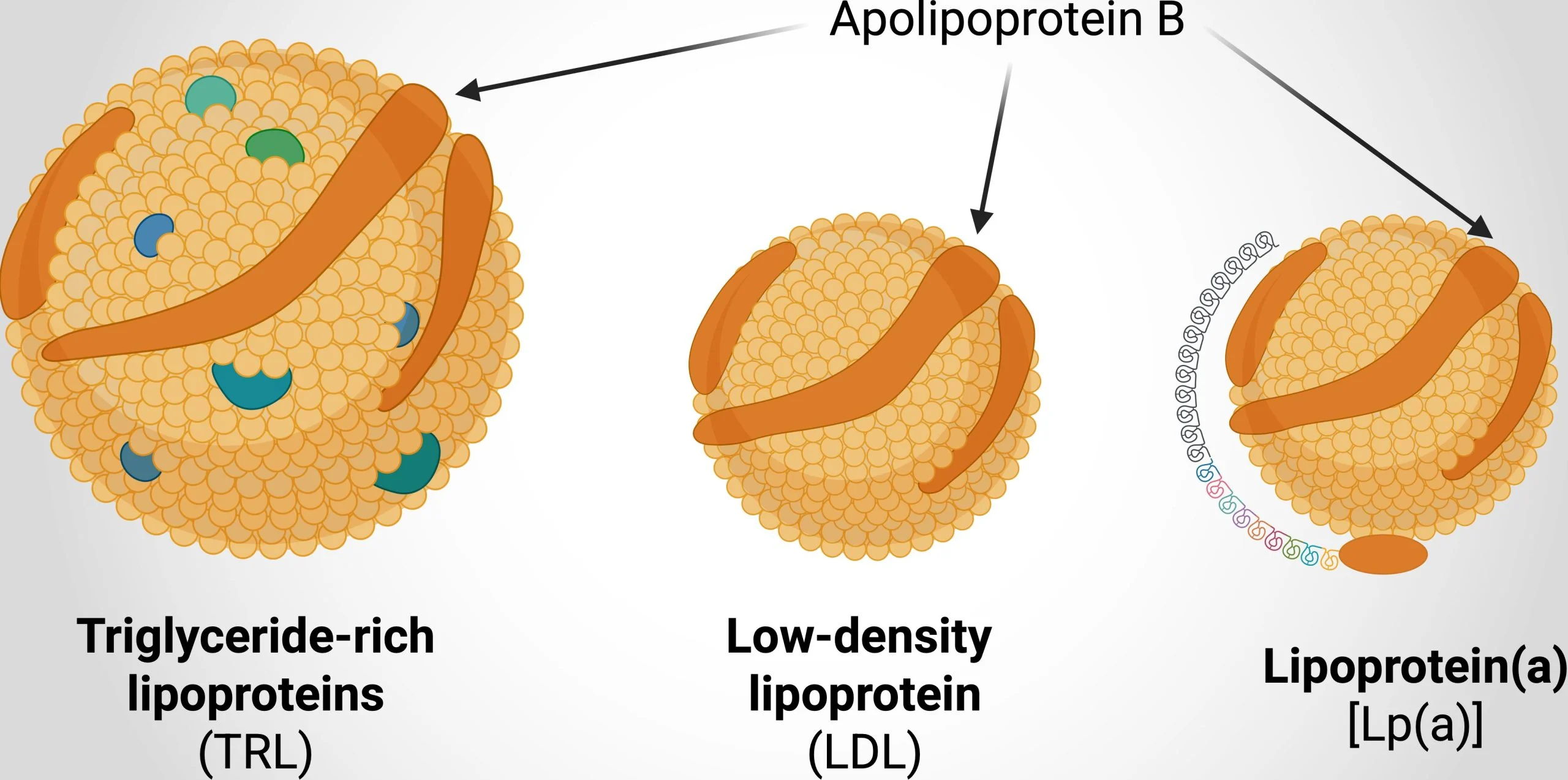
This study focused on two types of particles: triglyceride-rich lipoproteins (TRL), and lipoprotein(a), or Lp(a). The former is mainly involved in the transport of triglycerides, and its residual particles may also enter the arterial wall and promote plaque formation; the latter is a lipoprotein with a special structure that is closely related to genetic factors and has long been considered an important risk factor for myocardial infarction, stroke, aortic stenosis and other diseases.
The research team found that TRL and Lp(a) have a large number of overlapping blood protein characteristics. These protein patterns are not only linked to the risk of future heart disease but also to signals that attract immune cells. After immune cells enter the blood vessel wall, they may exacerbate local inflammation, change the structure of the blood vessel wall, and promote the process of atherosclerosis.
In contrast, LDL-related protein patterns are more related to the accumulation of cholesterol in artery walls. This does not mean that LDL does not cause inflammation, nor does it mean that TRL and Lp(a) have exactly the same effects, but it does suggest that different lipoproteins may be involved in disease development through partially different biological pathways.
Another previous study by the researchers also found that assessing the number of these harmful lipoprotein particles in the blood can help predict future cardiovascular disease risk. The number of particles may provide additional information than simply looking at cholesterol levels. The reason is that each lipoprotein particle does not carry exactly the same amount of lipids, and different types of particles may have different effects on blood vessels.
This study further suggests that TRL and Lp(a) may have strong single-particle pathogenic effects. These two types of particles may explain why some patients still face higher cardiovascular risks even after their LDL cholesterol has been reduced to ideal levels.
The goal of the study is to understand how, in addition to cholesterol deposits in artery walls, different lipoproteins damage blood vessels, and why these effects leave some patients at risk despite conventional lipid-lowering treatments, said study leader Clemens Wittenbecher. The research team believes that the common pathway of inflammation and vascular injury may become an important research target for precise prevention in the future.
However, this study does not mean that traditional cholesterol-lowering treatments have lost their value. The researchers clearly emphasize that lowering LDL cholesterol remains the cornerstone of cardiovascular disease prevention. The significance of the new findings is that although existing treatments can significantly reduce risk, they may not eliminate all risks, so further study of other lipoproteins and the biological changes they cause is necessary.
In the future, scientists hope to determine whether these protein signatures can be used to improve cardiovascular risk assessment and whether targeting relevant inflammatory pathways to intervene can further reduce the incidence of myocardial infarction and other cardiovascular events based on existing treatments.
The study also has limitations. The association between blood protein patterns and future disease risk does not prove that any one protein or inflammatory mechanism alone is the direct cause of heart disease. To determine whether these pathways are suitable as therapeutic targets, further mechanistic studies and clinical trials are needed to verify whether intervening on them can actually improve patient outcomes.
For ordinary people, the message of this study is not that bad cholesterol can be ignored, but that cardiovascular risk assessment should not focus on just one number. In addition to LDL cholesterol, factors such as triglycerides, Lp(a), blood pressure, diabetes, smoking status, and family history may also affect a person's overall risk. For people who have already received lipid-lowering treatment, whether further examination or adjustment of treatment is needed should be based on personal risk and the professional judgment of the doctor.
As researchers gradually reveal the multiple effects of different lipoprotein particles on blood vessels, future heart disease prevention is expected to further develop from simply reducing cholesterol to a comprehensive strategy that simultaneously focuses on the number of lipoprotein particles, inflammatory responses, and vascular damage mechanisms.
Comments