
Abstract:
For a long time, the scientific community has generally believed that Alzheimer's disease is a disease that mainly occurs inside the brain. Its core features include β-amyloid deposition, tau protein abnormalities, and the gradual death of neurons. However, a new study puts forward a different view: the key pathological changes that lead to Alzheimer's disease may not originate in the brain first, but are closely related to immune system abnormalities in other parts of the body.
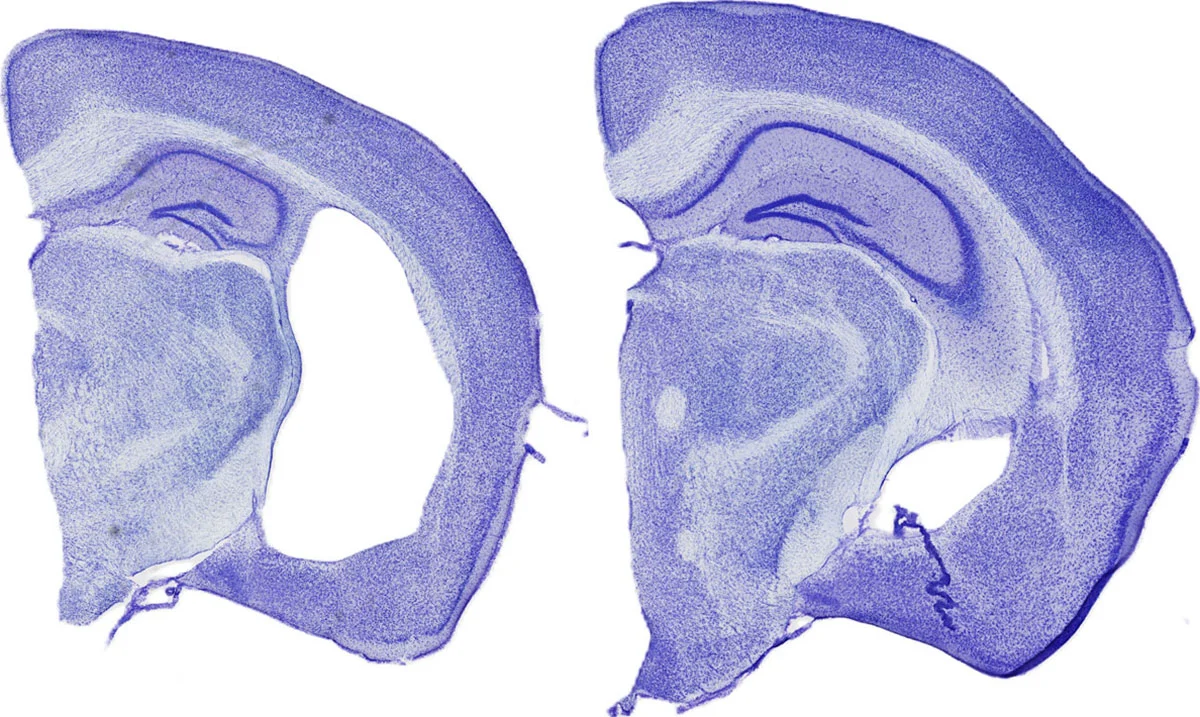
Researchers have found that the peripheral immune system may be far more important in the development of Alzheimer's disease than previously thought. The so-called peripheral immune system refers to the immune cells and immune organ system throughout the body, not just within the central nervous system.
The research team pointed out that there is increasing evidence that changes in the body's immune system have already occurred before patients experience significant memory decline and cognitive impairment. These changes can trigger chronic inflammatory responses and gradually affect the brain environment through complex biological mechanisms.
Researchers believe that inflammatory signals released by immune cells may cross the blood-brain barrier or change the functional state of the blood-brain barrier itself, making the brain more susceptible to damage. Over time, this persistent inflammatory environment may promote amyloid accumulation and the development of neurodegeneration.
In traditional theory, Alzheimer's disease is thought to be driven primarily by the accumulation of abnormal proteins within the brain. The latest research suggests that abnormal proteins may be only part of the disease process, and the deeper problem may come from an imbalance of the immune system throughout the body.
The research team's analysis found that some immune cells have shown abnormal activation status in the early stages of the disease. The signals produced by these cells can not only change the function of other tissues in the body, but may also have long-term effects on brain tissue.
Of particular concern is the discovery of complex interactions between certain peripheral immune cells and microglia in the brain. Microglia are important immune cells within the brain responsible for removing waste, regulating inflammation, and maintaining nervous system health.
When the peripheral immune system is activated for a long time, microglia may gradually lose their normal functions and instead produce an excessive inflammatory response. Mechanisms originally designed to protect the nervous system may end up accelerating neurological damage.
The researchers say this phenomenon could help explain a question that has long vexed the scientific community: why some patients develop disease-related biological changes before amyloid deposition is apparent.
New research models believe that body inflammation and immune dysregulation may be an earlier link in the disease chain, while cognitive decline and neuronal damage are subsequent consequences.
This discovery may also have important implications for future treatment strategies.
In the past decade or so, a large number of Alzheimer's disease drug developments have mainly focused on amyloid and tau proteins, hoping to delay the progression of the disease by clearing these abnormal proteins. However, the results of multiple clinical trials show that even if the accumulation of related proteins is successfully reduced, it may not be able to completely prevent the progression of the disease.
The research team believes that if the disease truly originates from a broader abnormality in the immune system, then future treatments may need to expand their targets from within the brain to the entire body.
For example, by regulating immune responses, reducing chronic inflammation levels, improving blood-brain barrier function, and restoring normal activity of immune cells, it may be possible to intervene at an earlier stage of the disease and achieve better therapeutic effects.
The researchers also emphasized that these current findings do not mean that the final cause of Alzheimer's disease has been found. Rather, this work is more about expanding the scientific community's understanding of disease mechanisms and prompting researchers to look beyond just the inside of the brain.
More human studies and clinical verification are needed in the future to clarify the specific role of the peripheral immune system in Alzheimer's disease and how related mechanisms affect the occurrence and development of the disease.
Industry experts believe that the significance of this study lies in re-posing a key question: Is Alzheimer's disease a pure brain disease, or a complex disease involving multiple systems throughout the body. If follow-up research confirms this view, it may lead to significant changes in the prevention, diagnosis and treatment of Alzheimer's disease in the future.
Comments