
Abstract:
Scientists are exploring a promising new strategy against malaria: repurposing drugs and their derivatives originally developed for cancer treatment to attack the malaria parasite. Researchers at the University of São Paulo in Brazil recently discovered that a group of compounds derived from anti-tumor drugs can simultaneously kill Plasmodium falciparum at different life cycle stages under laboratory conditions, including both the blood stage that causes symptoms in patients and the gametocyte stage responsible for transmission to mosquitoes.
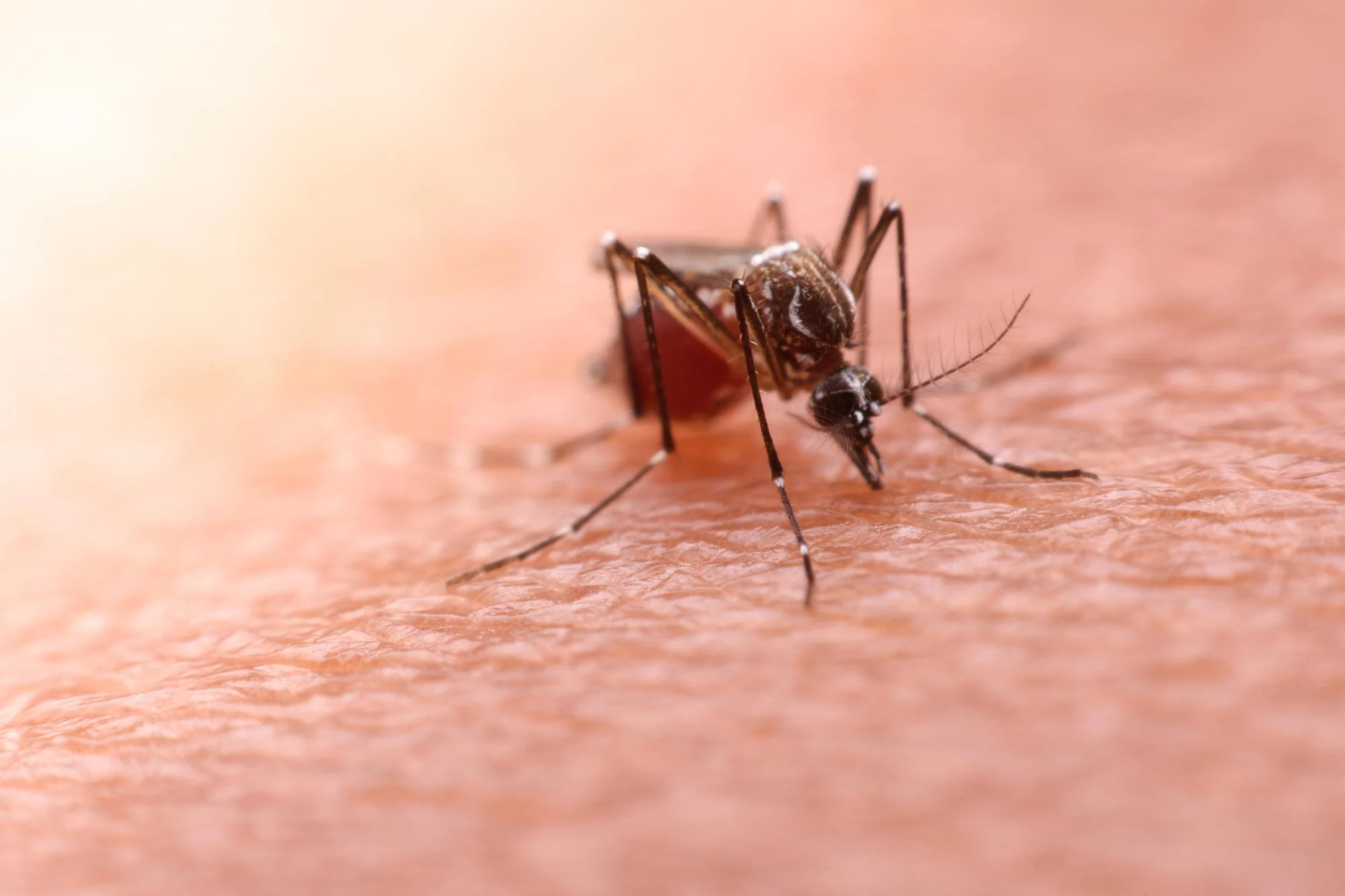
The significance of this study is that global anti-malarial treatments are currently facing an increasingly serious problem of drug resistance. Plasmodium falciparum is one of the main pathogens responsible for severe malaria and most malaria deaths in humans. Resistance to traditional drugs such as chloroquine has long emerged, and resistance to artemisinin combination therapy, which is the core of current treatment, has also spread. Therefore, finding antimalarial drugs with new mechanisms of action has become a research focus.
The pathogen of malaria is not a microorganism with a fixed structure, but constantly switches its life cycle between the human body and mosquitoes. After infecting the human body, malaria parasites will enter red blood cells and reproduce in large numbers. This stage will cause the patient to experience typical symptoms such as periodic fever and chills. Subsequently, a portion of the Plasmodium parasite transforms into gametocytes. When the blood carrying these gametocytes is sucked by a mosquito, the parasite can continue to develop inside the mosquito and be transmitted to others through the next bite.
Thus, a drug that attacks both the disease-causing stage and the stage responsible for transmission in the body could theoretically not only treat patients who are already infected, but also reduce the spread of malaria in the population.
This time, a research team from the School of Pharmacy of the University of São Paulo looked for a breakthrough in the mechanism of action of anti-cancer drugs. They chose an anti-tumor drug as the basic structure and further synthesized 14 related compounds and tested them in laboratory-cultured Plasmodium falciparum parasites.
The results showed that some of the compounds were effective in killing the asexually reproducing Plasmodium parasite. This is the stage when Plasmodium parasites multiply rapidly in human red blood cells and cause disease symptoms, so activity against this stage means these compounds have the potential to be further developed as therapeutics.
What is even more noteworthy is that these compounds also have an effect on the gametocytes. Gametocytes do not directly cause the classic symptoms as do asexual Plasmodium parasites within red blood cells, but they are a critical stage in the transmission of Plasmodium from humans to mosquitoes. If the drug can remove gametocytes from the patient's body, it may reduce the probability of mosquitoes acquiring infection after feeding on blood, thereby reducing disease transmission.
The reason why researchers thought of using anti-cancer drugs is that although cancer cells and malaria parasites are completely different types of organisms, they both have a common drug research feature: they are both highly dependent on specific protein kinases.
Protein kinases are a type of enzyme responsible for regulating protein activities within cells and are involved in cell division, growth, metabolism and a large number of other life activities. Because cancer cells usually have abnormally strong proliferation capabilities, protein kinases have long been an important target for the development of anti-cancer drugs. A large number of kinase inhibitors have entered clinical practice for the treatment of different types of cancer.
Plasmodium also possesses a large number of protein kinases that are critical to its own survival. The researchers therefore came up with an idea: If an anti-cancer drug can inhibit certain kinases, then it may be redesigned to target the malaria parasite's kinases.
In fact, this research direction has accumulated quite a lot of basic research. Scientists have previously discovered that some anti-cancer drugs, including mTOR inhibitors, can interfere with the malaria parasite's protein kinase. For example, the anticancer drug sapanisertib has shown antimalarial activity in animal experiments, and studies on its derivatives have also shown activity against important kinases such as Plasmodium PI4Kβ and PKG.
Another study found that a compound originally designed for human protein kinases can effectively inhibit Plasmodium falciparum and may work by interfering with the detoxification process of heme produced after Plasmodium digests red blood cell hemoglobin. This shows that "repurposing anti-cancer drugs" is not just a theoretical idea, but has formed an ever-expanding direction of drug research and development.
However, this latest research from the University of São Paulo is still in a very early stage. The most critical limitation is that the researchers have only conducted experiments in an in vitro culture environment and have not proven that the compounds can safely and effectively treat people infected with malaria.
This distinction is very important. Anticancer drugs are usually designed to attack rapidly proliferating tumor cells in the human body, so their pharmacological effects are often relatively strong and may also affect normal human cells. Even if a compound is able to kill malaria parasites in a petri dish, it must be shown that it can reach the parasite in sufficient concentrations in the human body without being unacceptably toxic to humans.
The researchers did observe some encouraging signs in their experiments. Some compounds maintain anti-Plasmodium activity while reducing their toxicity to human cells. This means that by further optimizing the molecular structure, it may be possible to improve the selectivity of the drug against Plasmodium, making it more likely to attack parasites rather than human cells.
However, it is not yet possible to judge whether these compounds are truly safe. In vitro cell experiments can only provide an early screening basis. Animal experiments and subsequent human clinical trials are ultimately needed to determine their toxicity, pharmacokinetics, effective dose and actual therapeutic effect.
Another strength of this study is the potential "multi-stage" effect. If a drug can act on both the asexual stage and the gametocyte stage of Plasmodium, it may have the dual functions of treating and blocking transmission. Moreover, if drugs can be designed in the future that act on multiple key targets of Plasmodium at the same time, it may also reduce the chance of the parasite developing drug resistance through a single mutation.
However, multi-target effects also mean that drug development needs to be more cautious, because the human body also has a large number of protein kinases. Anticancer drugs work largely because they can powerfully interfere with cell signaling pathways. Therefore, how to make new antimalarial compounds preferentially act on malaria parasites instead of humans is a problem that must be solved in the future drug optimization process.
At present, this research is more suitable to be regarded as a new drug development route, rather than the emergence of an "anti-cancer drug" that can be directly used to treat malaria. What's really valuable about it is that instead of starting from scratch to find completely unfamiliar chemical molecules, scientists can use the wealth of compound and structural information accumulated over decades of cancer drug development to find drug candidates that target key biological processes of the malaria parasite.
If subsequent animal experiments and clinical studies can prove that some of these compounds have good safety and antimalarial effects, then this "drug reuse + molecular optimization" route is expected to shorten the time for new antimalarial drugs to move from laboratory discovery to clinical practice. In the face of the continuous evolution of drug resistance of malaria parasites, this strategy of using the research and development results of drugs for other diseases to find new weapons may also become an important supplement to the development of anti-malarial drugs in the future.
Comments