
Abstract:
An international research team has revealed for the first time a key molecular mechanism for the survival of a parasite with near-atomic resolution, providing important clues for the development of new treatments for important parasitic diseases other than Plasmodium. The study was jointly conducted by researchers from the University of Liège in Belgium and the Rockefeller University in the United States. The research focuses on trypanosome parasites, which cause diseases such as leishmaniasis, African sleeping sickness and Chagas disease, affecting millions of people around the world.
Although relevant treatments are currently available, they generally face problems such as limited efficacy, severe side effects, and increasing drug resistance. In addition, some of the same parasites can also infect livestock and crops, causing significant agricultural and economic losses.
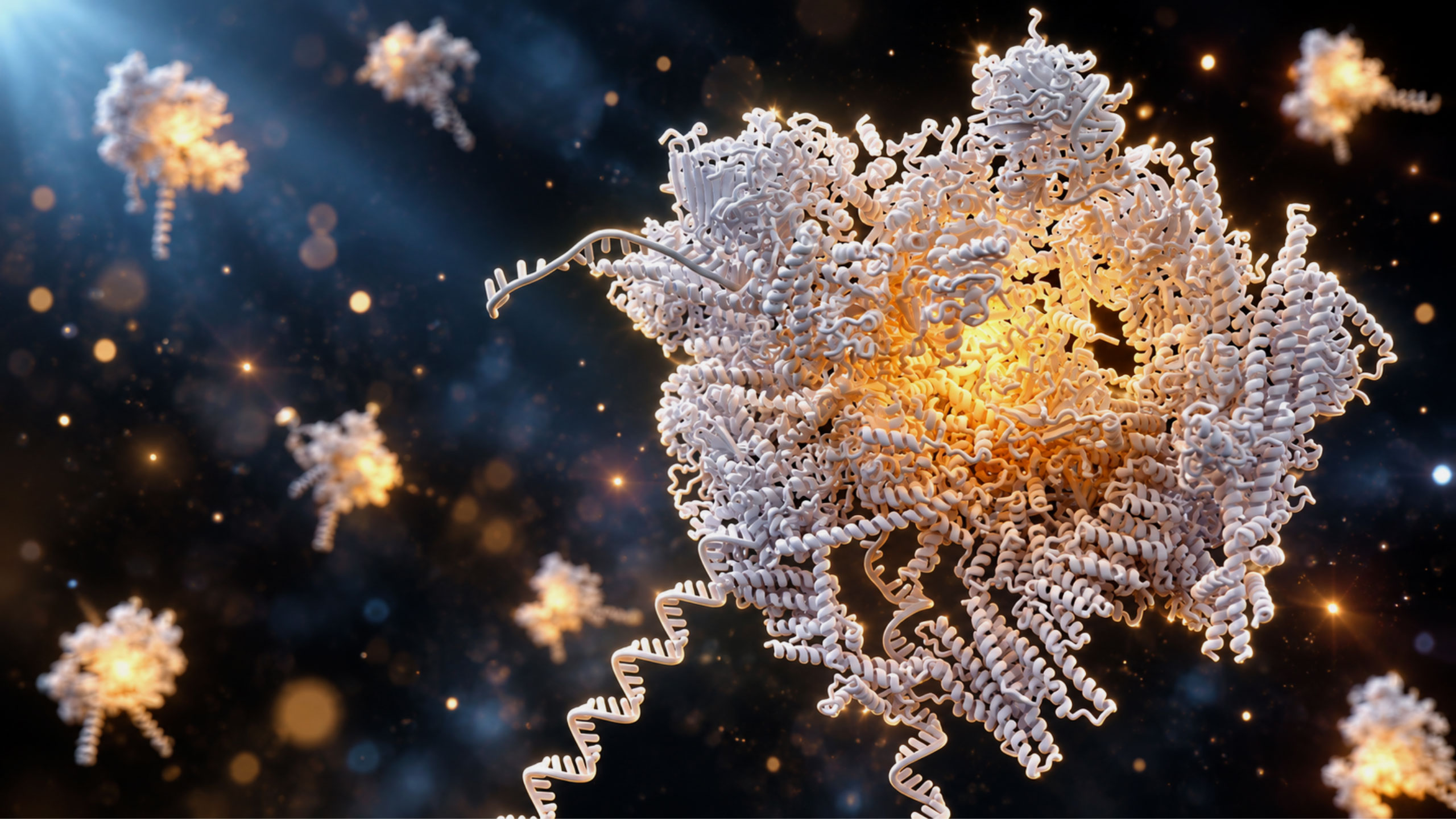
Researchers have successfully reconstructed the three-dimensional structure of a giant molecular machine called the "transspliceosome." This structure is responsible for a key link in the processing of genetic information inside the parasite cell and is an indispensable core mechanism for the life-sustaining activities of trypanosome parasites.
In living organisms, the genetic information in DNA needs to be transcribed into RNA first, and then further processed into mature messenger RNA that can guide protein synthesis. In human cells, this process mainly relies on conventional RNA splicing, which removes useless sequences and splices them to retain valid information.
However, trypanosome parasites employ a completely different and very specific mechanism called splicing leader RNA trans-splicing. The researchers said that in these parasites, the traditional splicing process is extremely rare, and almost all messenger RNAs will obtain the same short RNA sequence at the 5' end. This step is critical for RNA maturation and normal cell functioning, and if disrupted, the parasite cannot survive.
For nearly 40 years, the scientific community has known about the existence of this mechanism, but has never been able to truly observe how the relevant molecular machines assemble and operate. Using advanced cryo-electron microscopy technology, the research team captured two key stages in the operation of the system for the first time and analyzed its working principle in detail.
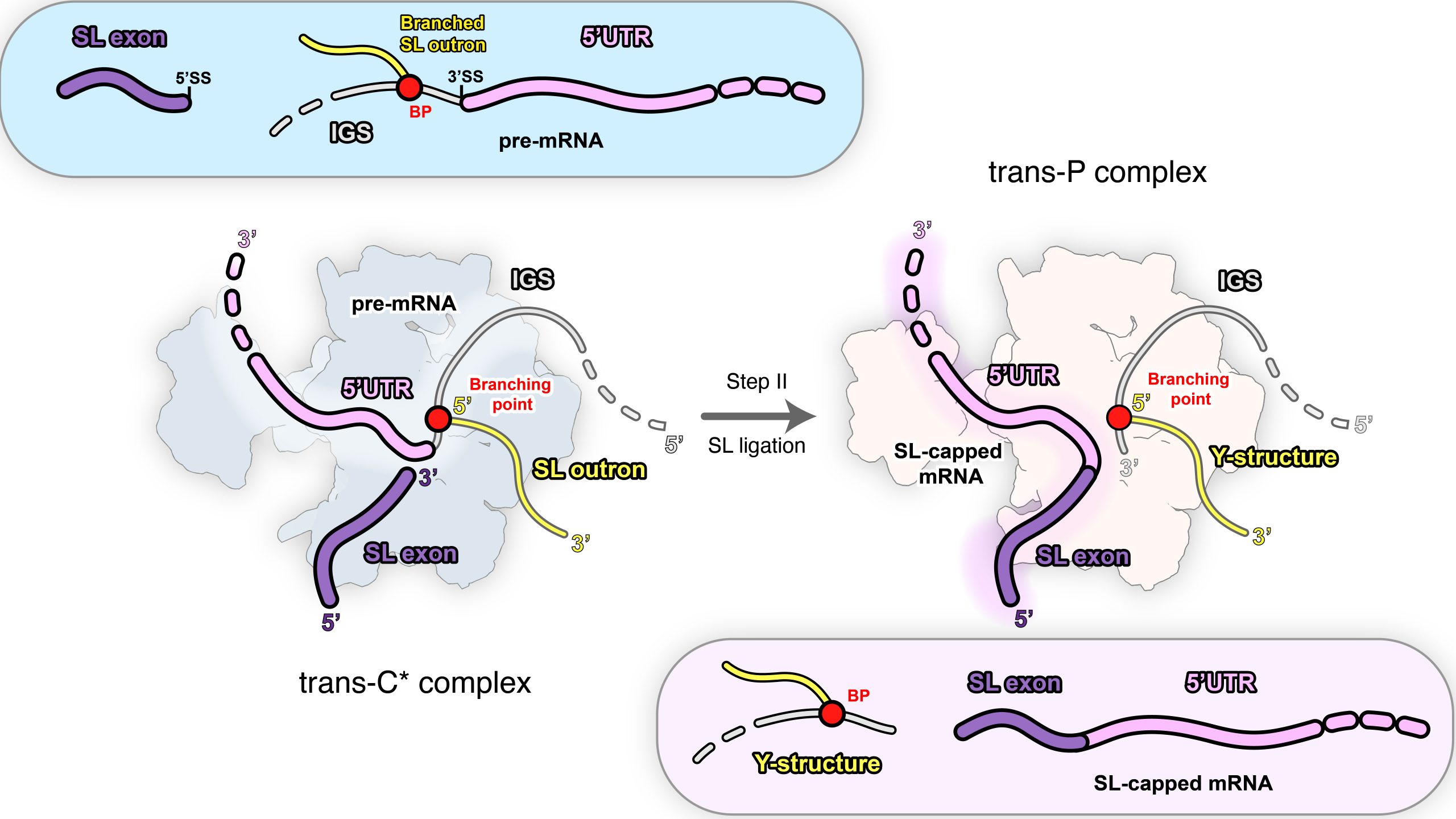
Research shows that at the beginning of the reaction, the spliceosome positions the key fragments from the splicing leader sequence RNA and the RNA to be processed to specific positions. Then in a second phase, this fragment is attached to the target RNA to form the mature messenger RNA, while the rest is released in a specialized branched structure.
More importantly, the researchers found that this molecular machine is significantly different from the RNA processing system in human cells. This means that scientists have the opportunity to design drugs that can precisely block the parasite's trans-splicing process, thereby killing the parasite without having any obvious effects on human cells.
The research team stated that this result not only solved a biological mystery that has puzzled the scientific community for decades, but also provided a new target for the development of anti-parasitic drugs. With the continuous deepening of the understanding of the structure and function of this unique molecular machine, it is expected that safer and more efficient new treatments will be developed in the future to deal with leishmaniasis, sleeping sickness, Chagas disease and other important parasitic diseases that have long plagued global public health.
Comments