
Abstract:
A large French study of nearly 90,000 adults found that a sugar found in red meat called N-glycolylneuraminic acid (Neu5Gc) may be linked to an increased risk of type 2 diabetes. Research shows that people with the highest intakes have a 63% higher risk than those with the lowest intakes. However, the researchers emphasized that this observational study only found an association between the two and could not prove that this substance directly caused diabetes.
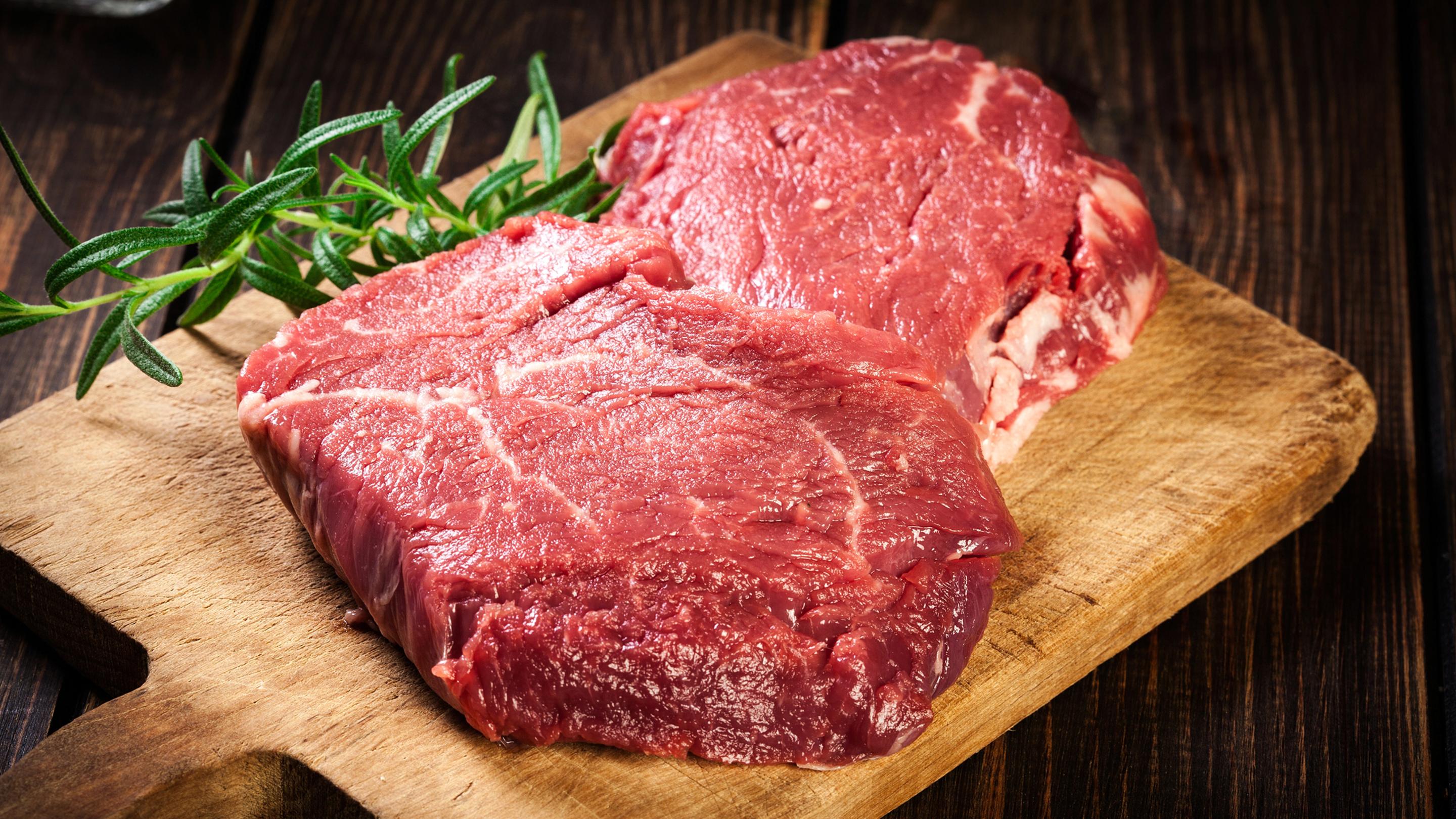
The study results were announced at the annual meeting of the European Association for the Study of Diabetes (EASD). The research team is exploring whether a new explanatory mechanism, the body's immune response to Neu5Gc, could explain the long-observed link between red meat intake and diabetes.
Study leader Dr. Leopold Fezeu of Sorbonne University Paris Nord in France said that the findings support the potential mechanism of "chronic inflammation", that is, red meat intake may increase the risk of type 2 diabetes through sustained inflammatory response, and this effect is partially independent of total red meat intake and is not entirely explained by body fat levels.
Neu5Gc is widely present in most mammals, but due to mutations in the CMAH gene in ancient times, humans have lost the ability to synthesize this molecule on their own. However, people are still exposed to it through food, with the highest levels in beef and lamb and smaller amounts in dairy products.
Researchers pointed out that Neu5Gc can enter human tissues after being ingested, allowing a foreign molecule to be integrated into human cells. Scientists call them "xeno-autoantigens," against which the body's immune system produces antibodies. Previous research has linked this persistent immune response, known as "xenosialic acid inflammation," to cardiovascular disease and cancer, but its relationship with diabetes has not previously been examined in large-scale prospective studies.
This analysis is based on data from the French long-term nutrition and health project NutriNet-Santé, which included a total of 89,953 participants with an average age of 42 years old, 79% of whom were women. None of the participants had diabetes or cancer at enrollment. After a median follow-up of 7.2 years, a total of 966 people developed type 2 diabetes.
Participants are required to complete three 24-hour food records. The research team used a database of validated Neu5Gc concentrations in foods to estimate each participant's intake and differentiate between meat and dairy sources.
The scope of meat analysis includes beef, mutton, pork, rabbit, goat and game. Processed meat products such as bacon, sausages and cured meats are analyzed separately, while dairy products are also treated as a separate category.
The researchers divided men and women into five groups of the same size based on their Neu5Gc intake from meat, and compared the lowest intake group as the reference group.
The results showed that the risk of diabetes in the group with the highest intake was 63% higher than that in the group with the lowest intake, and the risk in the second highest intake group was 41% higher. The researchers stress that these figures represent relative increases in risk, not actual proportions of people affected by the disease.
This association persisted even after accounting for factors such as age, gender, physical activity level, overall diet quality, smoking status and pre-existing health conditions. Similar results were observed in both men and women, and the conclusions remained consistent across different levels of total caloric intake.
The study also found that there were significant differences in meat intake among different groups. In the group with the highest Neu5Gc intake, the median daily red meat intake was 97 grams for men and 73 grams for women; if processed meat products were included, the total amount reached 136 grams and 96 grams respectively. In the lowest intake group, the corresponding intakes for men and women were only 21 grams and 9 grams.
The data also showed that the increased risk was particularly evident at higher Neu5Gc intake levels. The research team speculates that this may mean that when Neu5Gc accumulates to a certain level in human tissues, it will trigger a stronger immune response, but the study did not determine a specific threshold.
Fezeu said that although it is still unclear what level of Neu5Gc will trigger a significant immune response, the data shows that the higher the intake of Neu5Gc from meat, the risk of type 2 diabetes is also gradually increasing.
When body mass index (BMI) was added to the statistical model, this association was attenuated but remained statistically significant. The researchers estimate that obesity explains approximately 13% of the associated effect, and the remainder may be related to the impact of inflammation on insulin-secreting cells and insulin-sensitive tissues. However, this mechanism still needs further research to verify.
However, when the researchers further adjusted for total red meat intake, the association between Neu5Gc and diabetes no longer reached statistical significance. While the upward trend in risk remains, the results mean it's difficult to completely separate the effects of Neu5Gc from other components in red meat.
Related articles:
Red meat once helped human evolution, but now excessive intake may endanger health and the environment
Comments