
Abstract:
Although Microsoft has extended the full support period of Windows 10 to October 2027 through the Extended Security Update Program (ESU), this extension may not be of much help to users who still use the system for gaming. NVIDIA has confirmed that it will not continue to provide game driver support for Windows 10 for the next year, and other hardware manufacturers and chip manufacturers may follow suit.
Windows 10 was originally scheduled to end support on October 14, 2025. Microsoft initially extended security updates for an additional year, until October 2026. With only about a month left before the expiration of this period, Microsoft decided to extend extended support for Windows 10 until October 2027.
Microsoft's decision does not mean that it has changed the direction of promoting users to upgrade Windows 11, but it realizes that there are still a large number of Windows 10 users who are unwilling to migrate to Windows 11. Microsoft believes that the number of users who continue to stay on Windows 10 is large enough, so it is necessary to provide longer-term security protection.
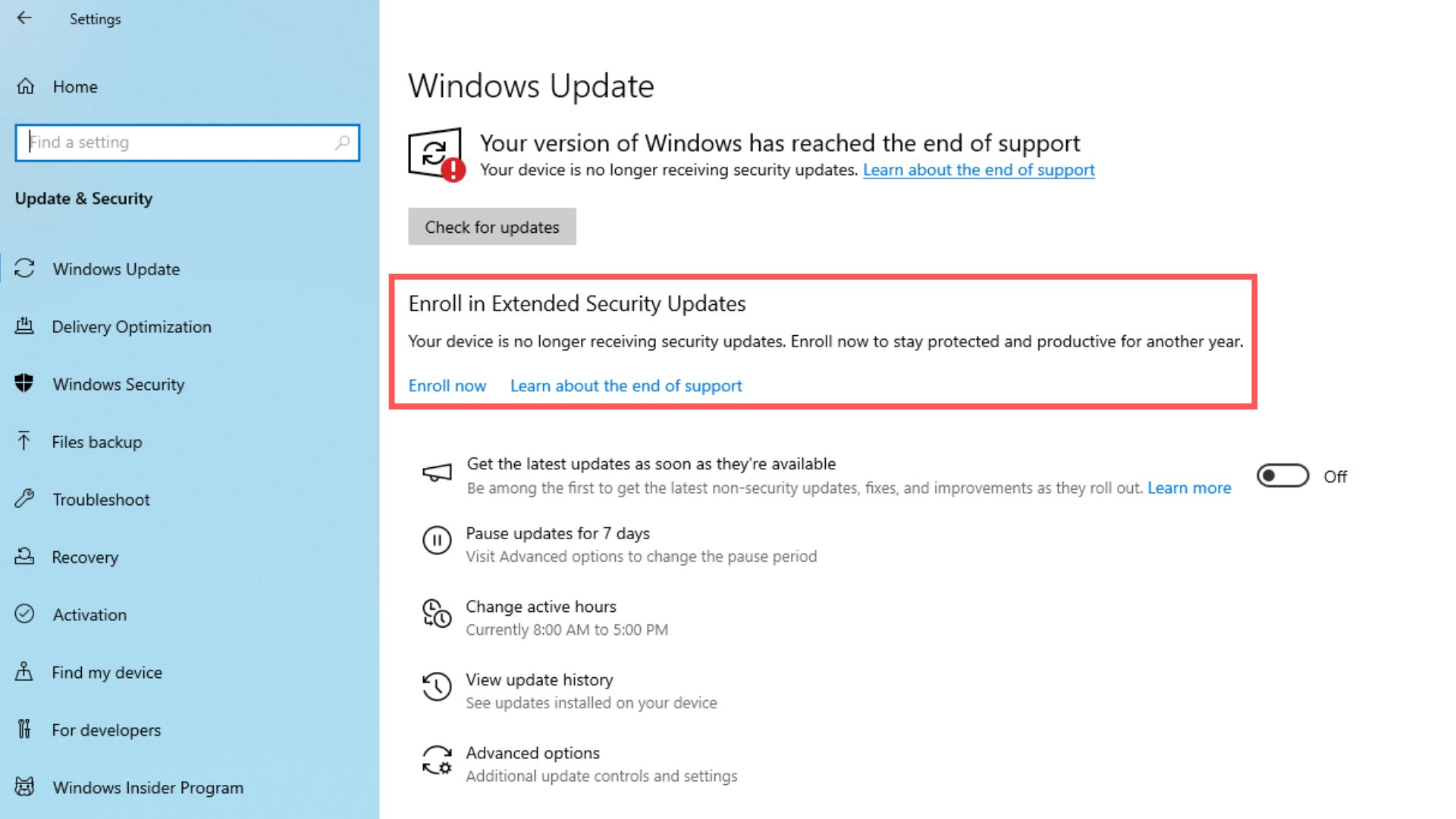
However, Microsoft's extension of system support does not mean that partners will also extend the support period simultaneously. Nvidia was one of the first companies to make it clear that it would not participate in the second round of extended support and planned to stop releasing GeForce Game Ready drivers for Windows 10.
According to Nvidia’s updated support documents, the company will release the last Game Ready driver supporting Windows 10 in October 2026. Starting in November 2026, users who continue to use Windows 10 will not be able to receive game-related bug fixes, performance optimizations, and new game adaptation support.
Nvidia has previously stated that a large number of GeForce users are still using Windows 10, so a one-year support extension is reasonable. But after Microsoft extended system support again, Nvidia saw no need to continue to provide Game Ready drivers for an additional year.
Windows 10 users can still get security updates from Nvidia, and related security fixes will last until at least October 2029. Therefore, from a system security perspective, Nvidia's discontinuation of the Game Ready driver will not immediately cause serious problems.
But if users mainly play games on Windows 10, they should seriously consider upgrading to Windows 11. Most existing games will continue to run, but new problems that arise in the future may not be fixed, and NVIDIA will not continue to provide dedicated optimization or compatibility support for new games. This impact will gradually expand as more major new games land on the PC platform, including the upcoming "Fable".
Similar situations have previously appeared on Windows 7, Windows 8 and Windows 8.1. In October 2021, NVIDIA officially stopped producing GeForce Game Ready drivers for these three system versions. In the years since, many big new games have started to suffer from performance issues, running errors, or even failing to launch at all.
Nvidia later still provided drivers for Windows 7 that only contained security fixes, and this support was not ended until September 2024, but this did not allow Windows 7 to continue to be an operating system suitable for games.
Windows 10 will likely go through a similar process. Security updates can keep the system basically safe, but they cannot make up for the compatibility, performance, and new game support issues caused by the discontinuation of game driver updates. For gamers, the actual experience of using Windows 10 will get worse and worse over time.
Nvidia’s decision may also become an industry benchmark. Other OEMs and chip manufacturers may follow Nvidia in the future and gradually end game-related support for Windows 10. Windows Latest believes that these technology companies are ultimately more focused on their own interests than continuing to take care of consumers who are still using older systems.
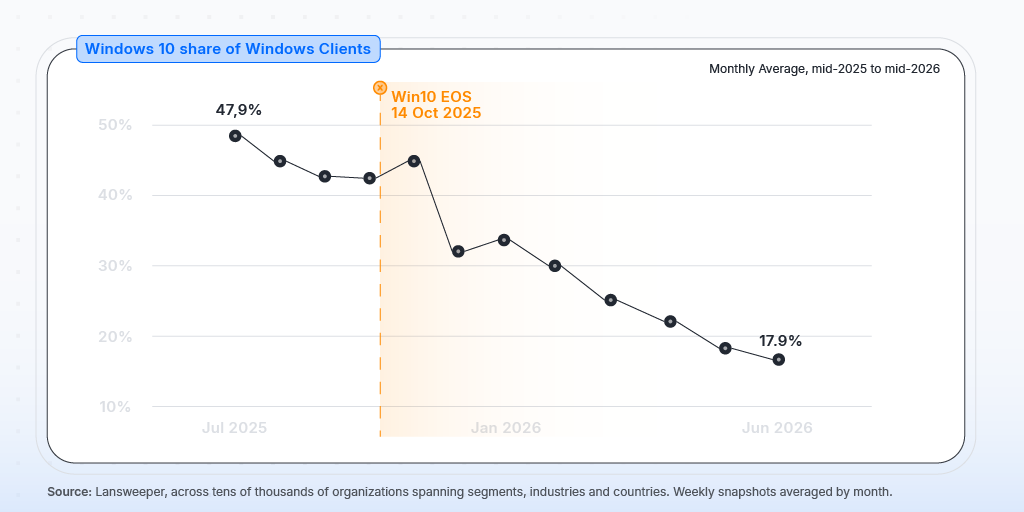
Although Microsoft emphasizes the success of Windows 11 and claims that the number of users has reached 1.6 billion, this does not mean that no one is using Windows 10. In fact, there are still millions of devices running Windows 10, and the user base is significantly higher than when Windows 7 ended support.
Microsoft did not provide extended security updates for Windows 7 to ordinary consumers because the market share of the system was not enough to support this plan. The situation is different with Windows 10. Relevant analysts believe that Microsoft has realized that it is difficult to convince all users to migrate to Windows 11 for the purpose of upgrading by relying solely on publicity and forced guidance.
HP said about 30% of computers are still running Windows 10. The company hopes these users will eventually upgrade to Windows 11 or simply buy new computers. Karen L. Parkhill, HP's executive vice president and chief financial officer, told investors at the end of May 2026 that about 30% of the company's current inventory of devices still uses Windows 10.
Microsoft later admitted that the previous growth of Windows 11 was largely driven by the end of support for Windows 10, and this growth momentum is currently weakening. Microsoft said in its earnings call in July 2026 that Windows OEM and device business revenue fell 7%, and Windows OEM revenue fell 5%. The main reasons include weak demand in the PC market and a higher comparison base driven by the end of support for Windows 10 in the same period last year.
At present, it seems that Microsoft has no plans to target users who still use Windows 10 through more controversial interface designs or forced promotion methods. Instead, Microsoft is trying to improve Windows 11, such as improving system speed, reducing ads, allowing the Start menu to be resized, and improving search functionality.
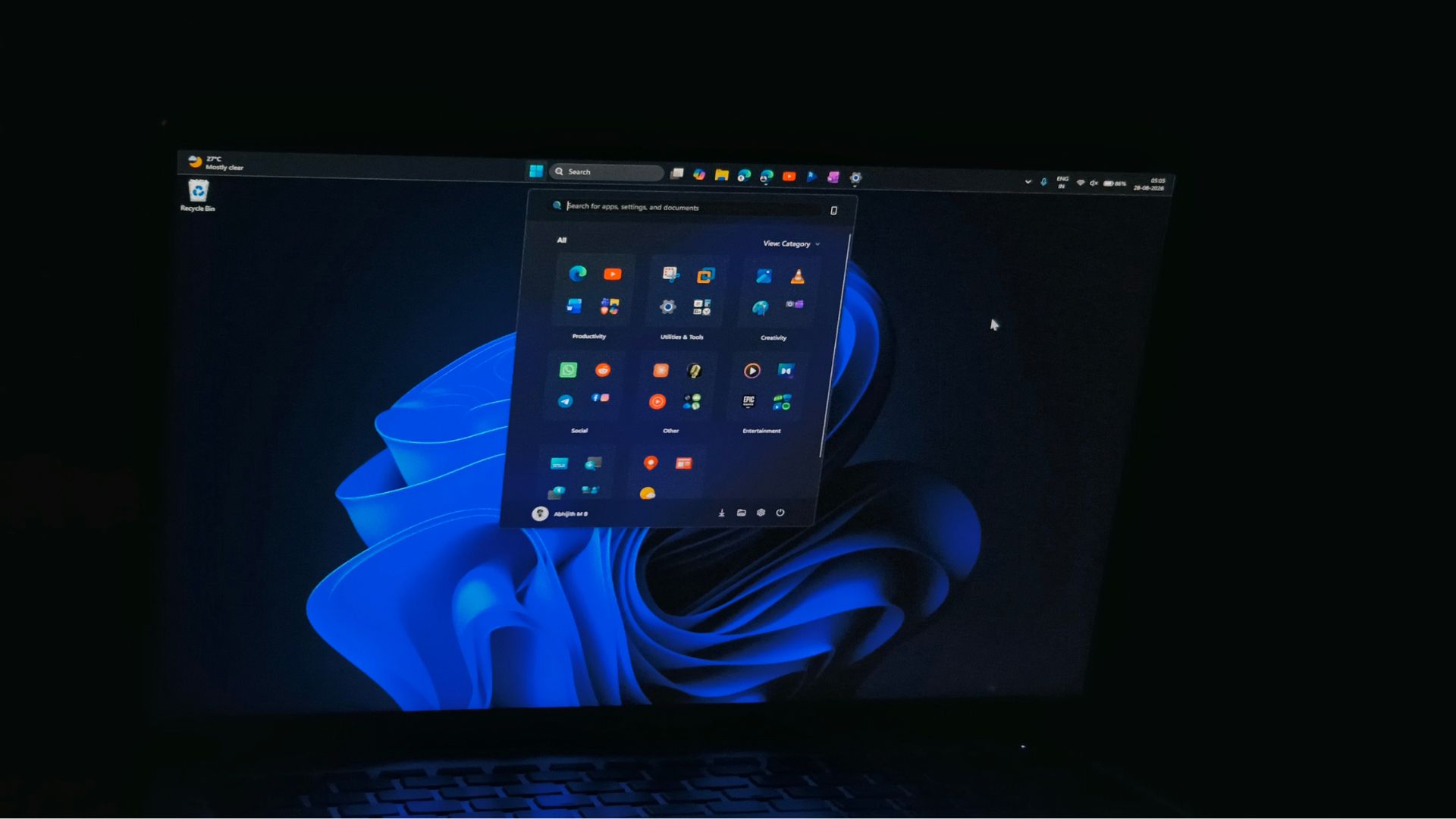
Microsoft hopes these changes will prompt Windows 10 users to consider upgrading. However, AI PC may hardly be the main reason for users to change their phones. NVIDIA's new marketing strategy for RTX Spark also confirms this: the product will no longer use the Copilot+ PC branding.
Comments