
Abstract:
Software will officially release the Windows 11 26H2 annual feature update. As relevant update files have appeared in the latest test version, multiple signs indicate that Windows 11 26H2 has entered the final stage of official push, and eligible devices will begin to receive upgrade notifications as soon as the next few days.
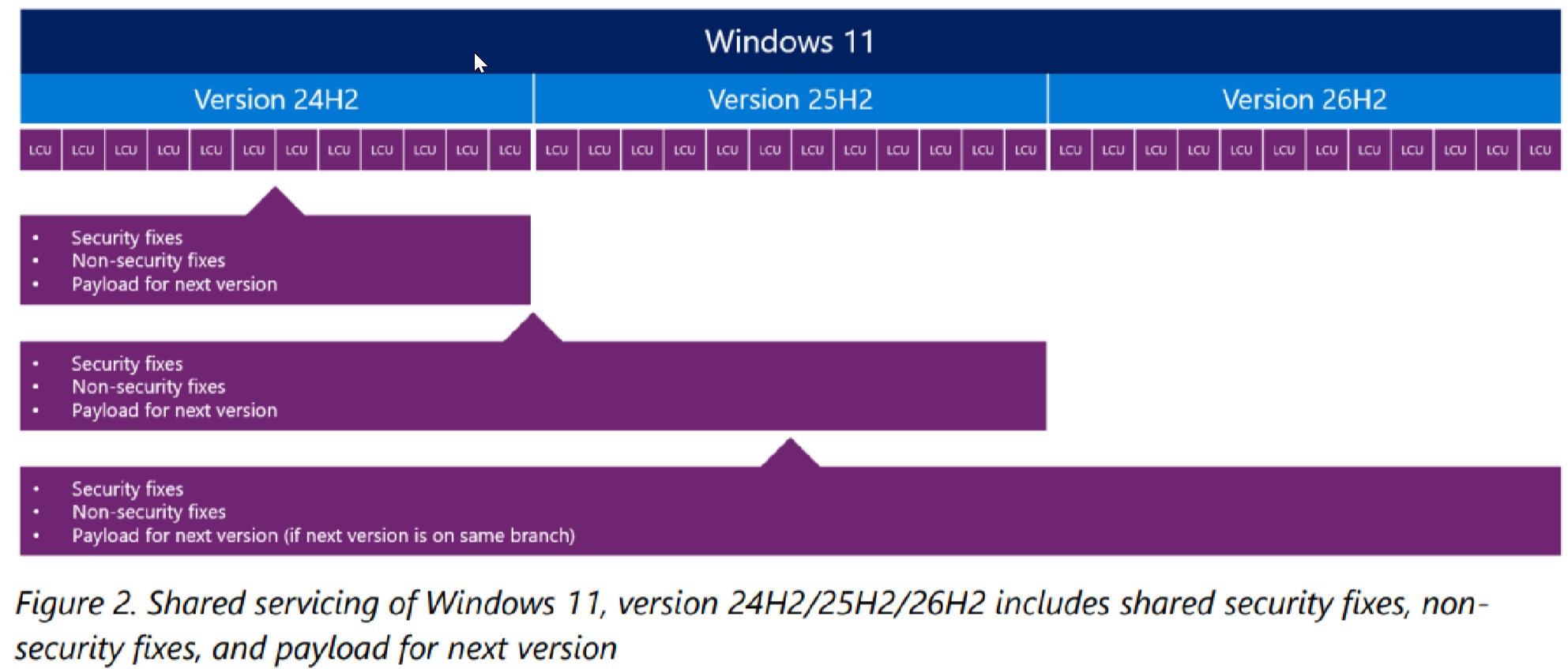
According to current information, Windows 11 26H2 will follow the "enablement package" upgrade model adopted by Microsoft in recent years. For devices already running Windows 11 25H2, most of the new features have actually been included in previous system updates, but are just hidden. When Microsoft officially launches 26H2, the system only needs to install a smaller activation package to complete the version switch.
This upgrade method means that users rarely need to reinstall the system or download huge update files. The entire upgrade process usually only requires one restart, and the installation time is much shorter than traditional major version updates.
For users still running an earlier version of Windows 11, the upgrade process may be slightly different. If the device is not yet running the 25H2 platform, you need to download more system components before entering the 26H2 environment. Therefore, the update package size and installation time for these users will increase significantly.
Microsoft is expected to continue adopting a phased push strategy.
The update will not be available to all devices on the first day, but will give priority to new hardware platforms with good compatibility test results. Later, as telemetry data and stability feedback continue to accumulate, Microsoft will gradually expand the push scope.
Similar to previous Windows version updates, some devices may not see the upgrade option until weeks or even months after the official release. In particular, devices with special hardware configurations, enterprise management policies, or compatibility issues are often delayed in being eligible for updates.
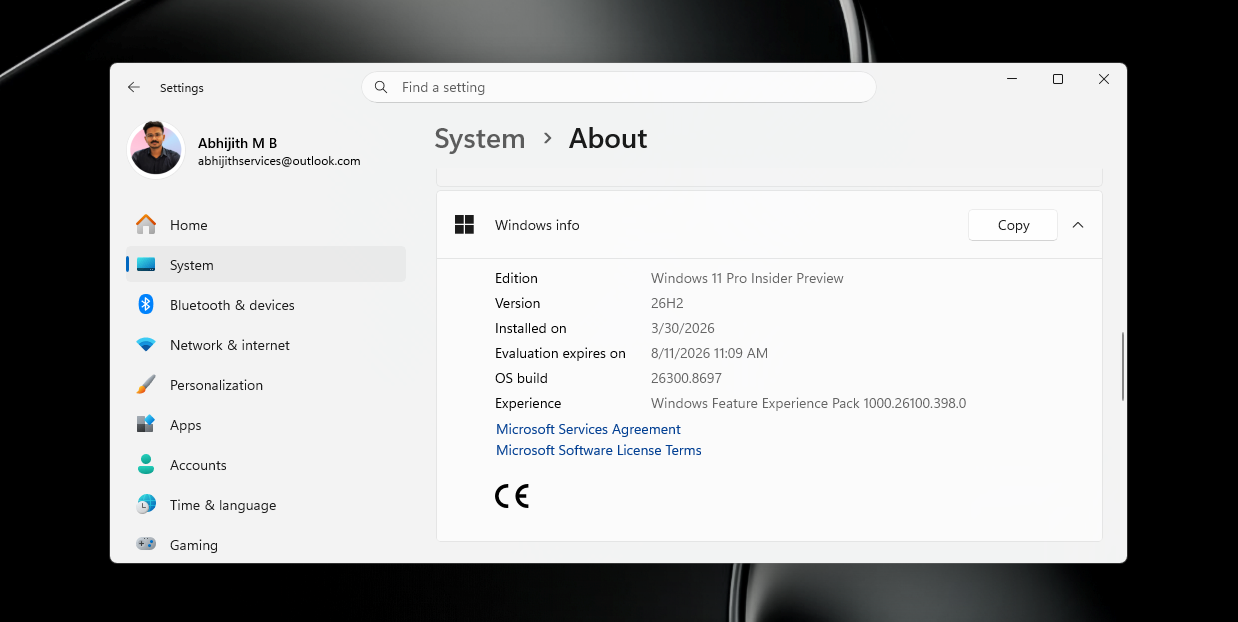
From a functional perspective, Windows 11 26H2 is expected to continue Microsoft’s development direction in recent years, focusing on areas such as artificial intelligence integration, system stability improvement, performance optimization, and productivity feature enhancements.
For platforms equipped with new generation AI PC hardware, 26H2 will also become an important basic version for subsequent AI function deployment. Microsoft is continuously promoting the integration of Copilot, Agent and local AI capabilities into the Windows ecosystem, and 26H2 is considered an important system platform to support the expansion of these functions.
At the same time, corporate users are also paying special attention to 26H2.
According to Microsoft's life cycle management strategy, new versions usually mean a longer security support cycle. Therefore, many organizations and enterprise customers often choose to make new deployment plans after annual feature updates are launched to obtain longer-term maintenance guarantees.
Analysts pointed out that Microsoft has gradually abandoned the large-scale interface revision model in the past, and is more inclined to continuously improve Windows 11 through cumulative updates. Therefore, for ordinary users, the changes brought by 26H2 may not have as strong a visual impact as upgrading from Windows 10 to Windows 11, but they will continue to improve the user experience at the background architecture, performance and functional levels.
As the official release date approaches, Microsoft is expected to announce more details about Windows 11 26H2 in the next few days. For Windows 11 devices that meet the requirements, the new annual upgrade cycle has officially entered the countdown phase.
Comments