
Abstract:
In the past year, as Microsoft gradually downplayed the presence of the Copilot brand in Windows products, the outside world once speculated that the Copilot+ PC strategy may have lost its important position. Especially when it first announced the Surface Laptop Ultra in June this year, and subsequently released new Surface Pro and Surface Laptop products equipped with the Snapdragon X2 Plus chip, Microsoft hardly took the initiative to emphasize the Copilot+ PC brand, which further deepened market speculation.
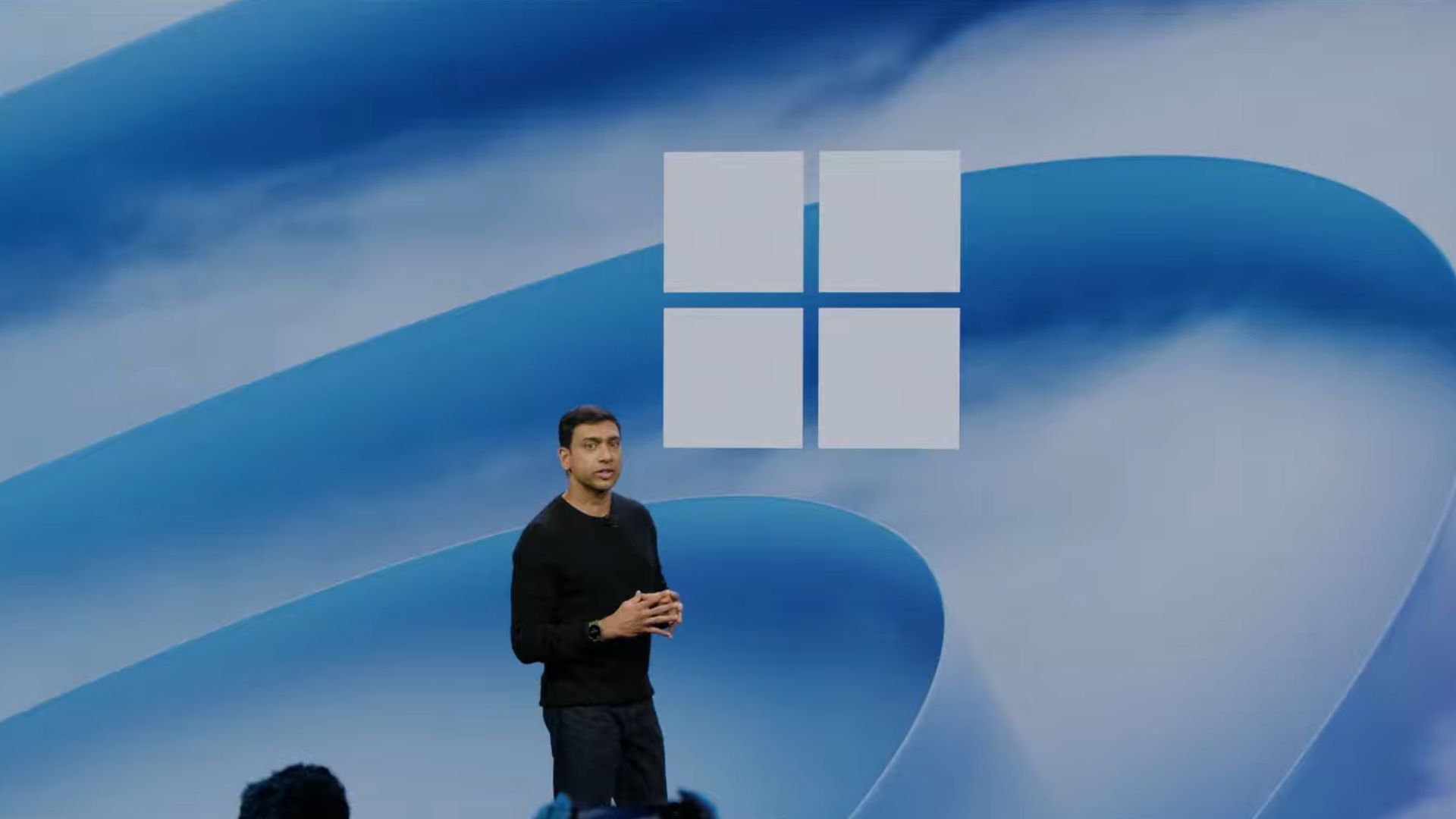
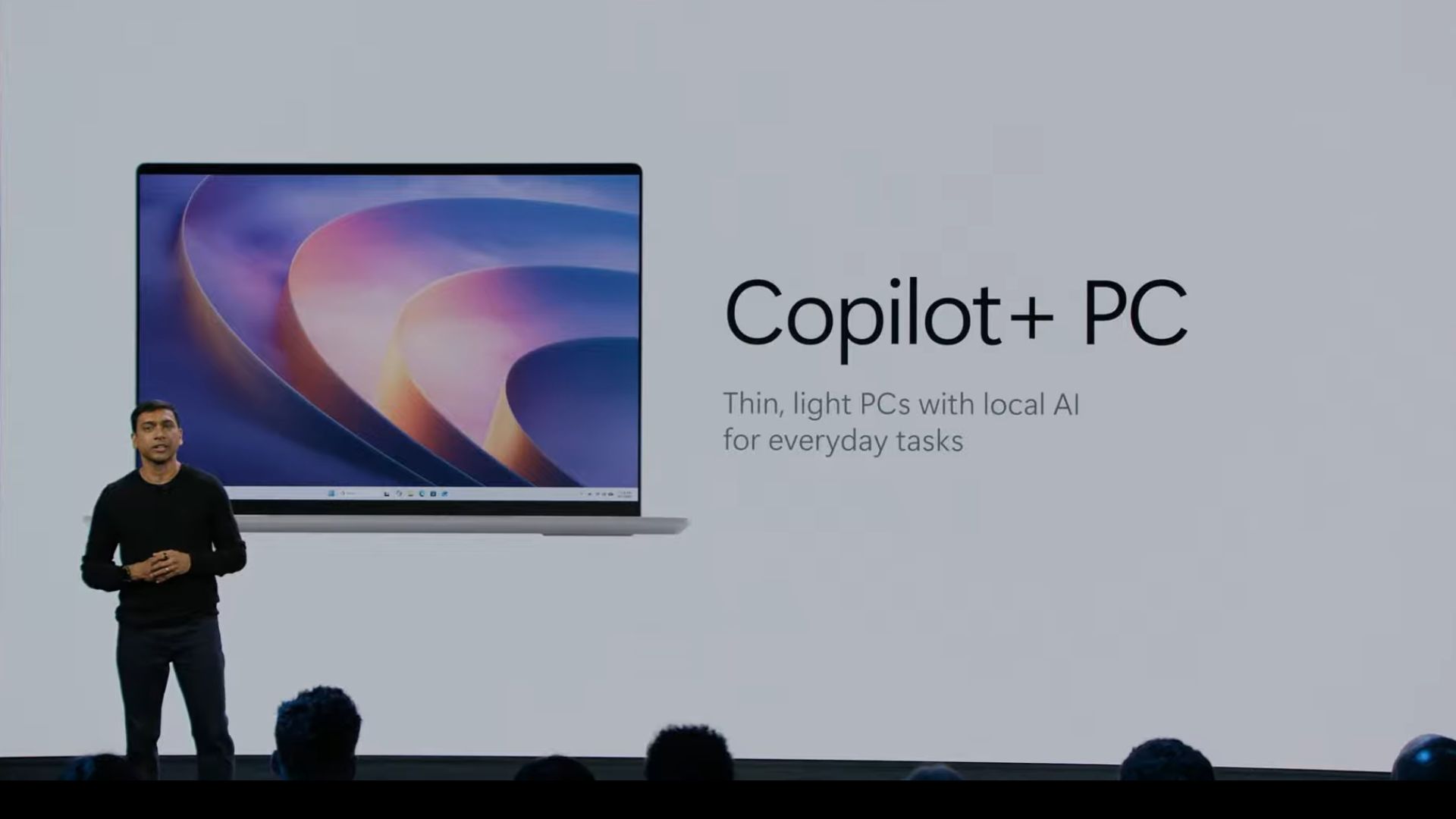
However, at the Windows and Surface conference held on October 7, Pavan Davuluri, head of Microsoft's Windows and device business, publicly announced the Copilot+ PC platform and gave the latest market data, showing that Microsoft has not given up on this AI PC strategy.
Davuluri said that more than 40% of laptops currently produced for the enterprise market already belong to the Copilot+ PC category. These devices are continuing to improve the user experience through features such as search, image processing, and video calling. At the same time, he also revealed that the current shipment scale of Copilot+ PC has reached the level of "tens of millions of units per year."
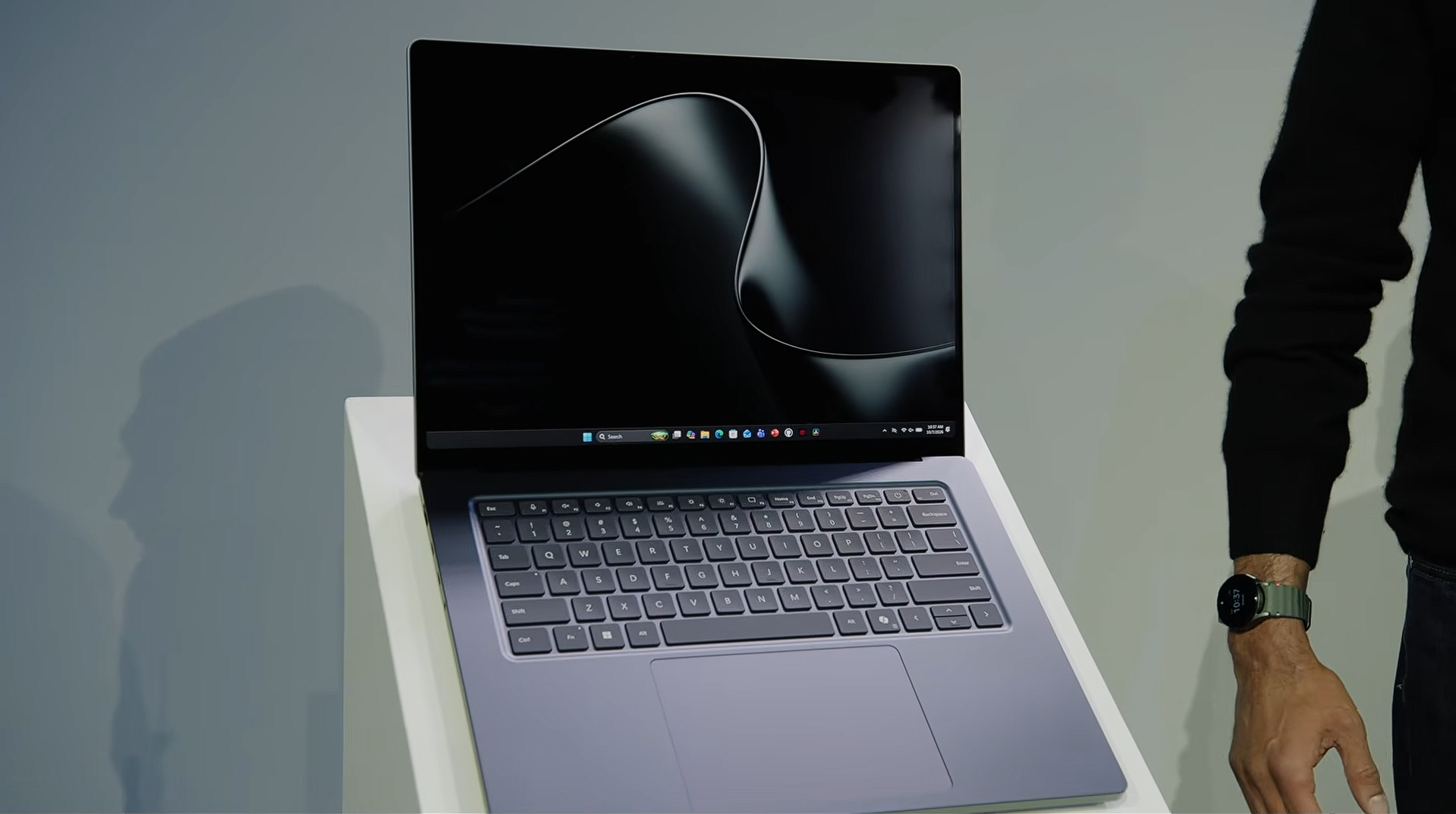
It is worth noting that although Microsoft officially launched the Surface Laptop Ultra with a starting price of US$2,599.99 at the press conference, this new device is still not labeled as Copilot+ PC. This makes the outside world more curious about how Microsoft will position this product category in the future.
Different from the phasing out that the market had previously expected, Microsoft has actually given Copilot+ PC a new mission. The company is promoting a new strategy called "Hybrid Intelligence", which allows Copilot to use local AI models and cloud AI capabilities to work together to automatically allocate computing resources based on task requirements.
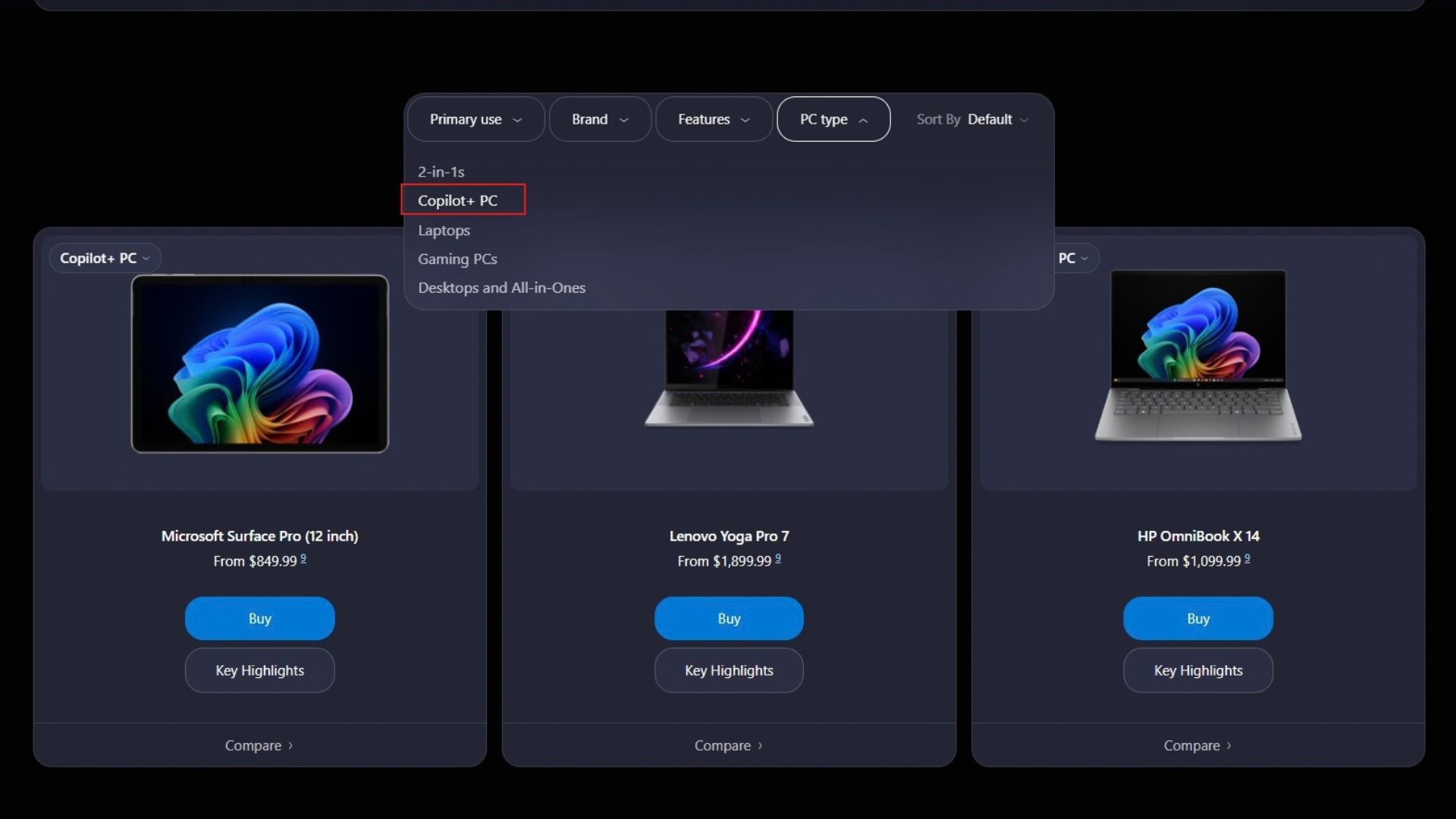
Microsoft first launched the Copilot+ PC concept in 2024, and stipulated that the device must be equipped with a neural network processor (NPU) with a performance of more than 40 TOPS, so that some AI tasks can be executed directly locally without completely relying on cloud servers. At that time, this platform was regarded as an important foundation for Windows to enter the AI era.
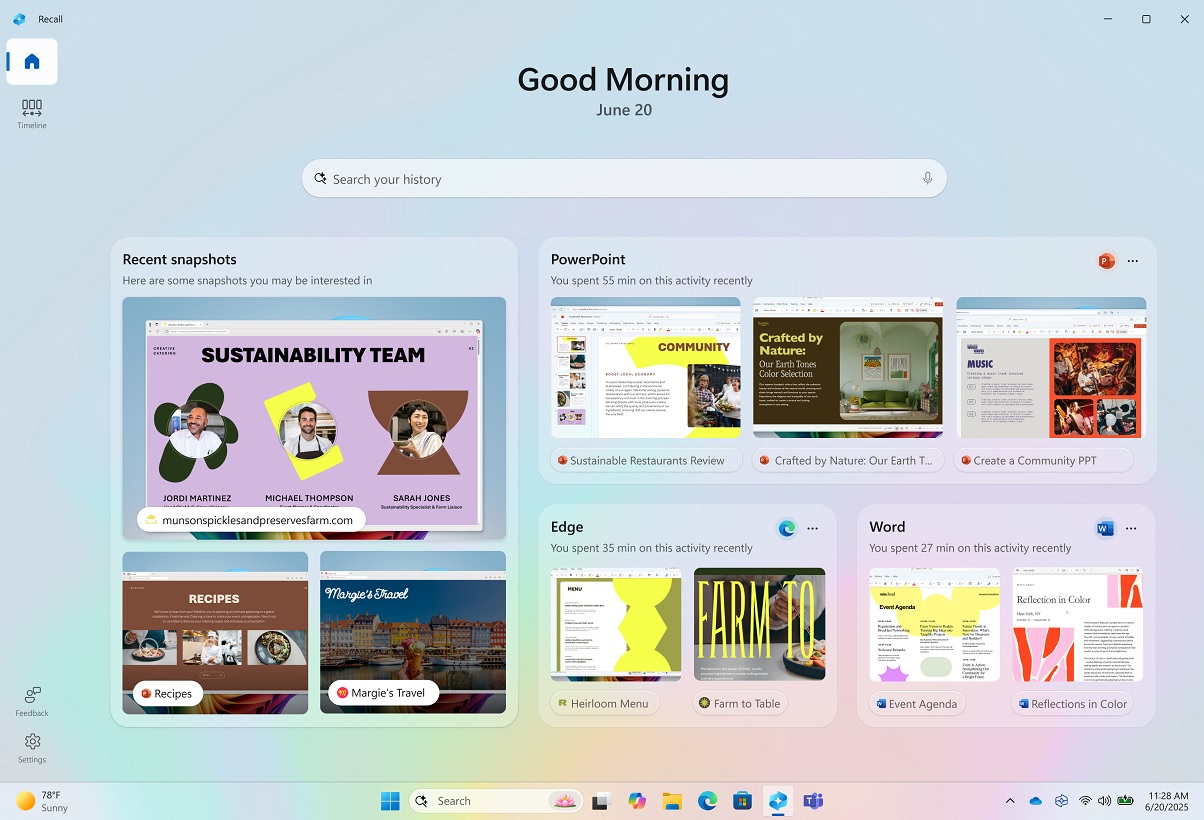
Since its launch, these local AI computing power have been used for enhanced Windows search, real-time subtitle translation, Windows Studio Effects video enhancements, Recall review functions, Click to Do shortcut operations, and AI agents in settings applications.
However, the market generally believes that despite the competitive hardware specifications, Microsoft has not been able to fully prove to ordinary consumers why they must specifically purchase Copilot+ PCs. Many users do not proactively upgrade their devices because of these features.
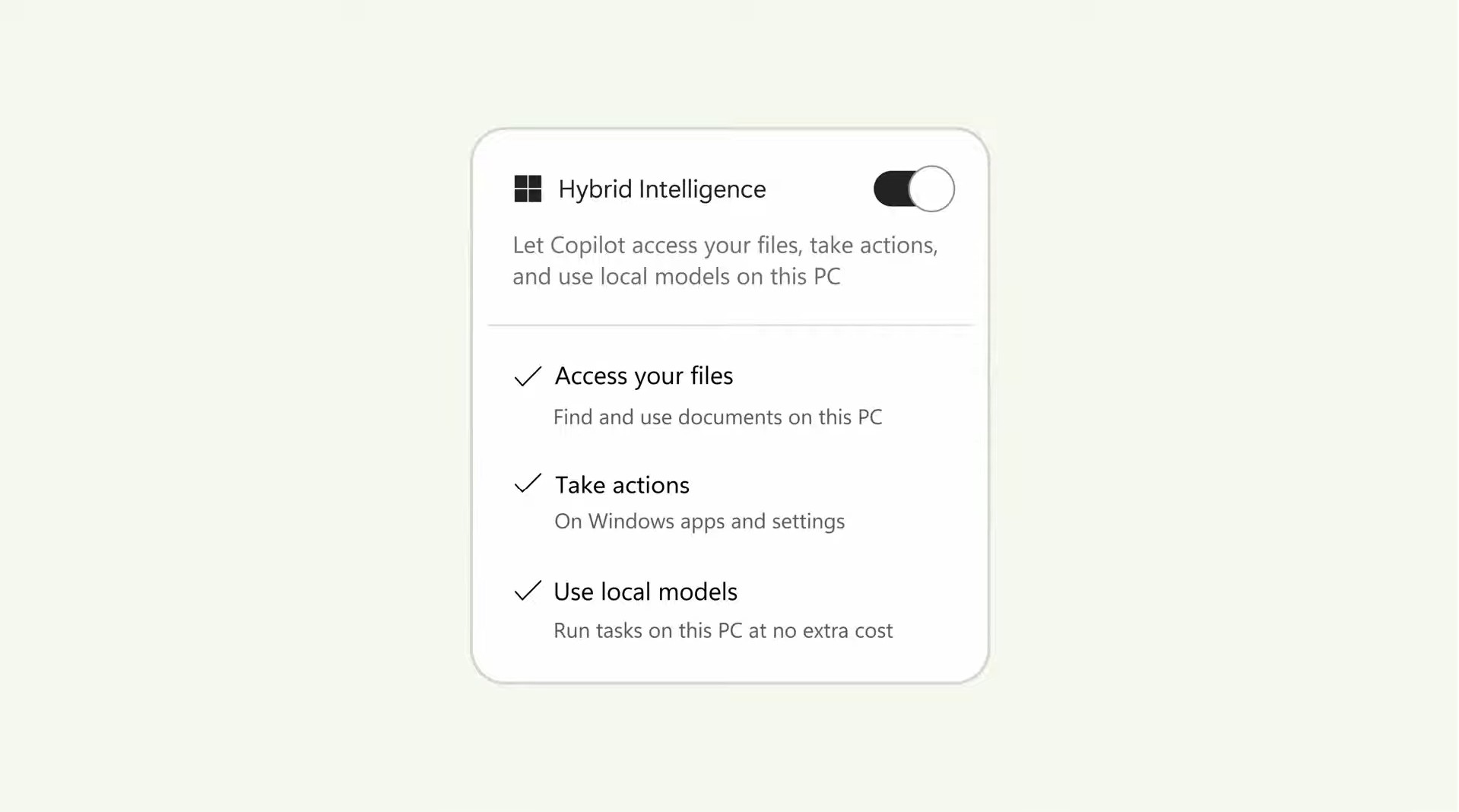
To solve this problem, Microsoft announced at the latest press conference that it will introduce a new generation of hybrid intelligence capabilities to Copilot+ PC. According to Microsoft's plan, Copilot will gain three key local functions on these devices in the future.
The first capability is "local context understanding". Copilot will be able to understand relevant files, recent activities and work environment on the user's computer with authorization, so as to obtain more accurate contextual information when performing tasks.
The second capability is "local operation execution". After the user authorizes it, Copilot can directly help with operations such as moving files, adjusting system settings, executing code tasks, and agent-style workflows in the future, rather than simply providing suggestions.
The third capability is to further strengthen the collaboration mechanism between local AI models and cloud models. Through this model, Microsoft hopes to combine the powerful capabilities of the cloud model with the instant response speed of local devices, while reducing privacy and data transfer concerns.
Analysts believe that Microsoft is currently gradually reducing its reliance on the "Copilot button" and a single chat robot, and shifting its focus to AI agents, local models, and operating system-level intelligent capability building. Although the Copilot brand has been weakened in some applications, AI has not left Windows, but is being integrated deeper into the entire operating system.
Judging from this statement, Microsoft has not only not given up on Copilot+ PC, but is building it into an important basic platform for the future Windows "hybrid intelligence" strategy. As tens of millions of devices continue to enter the market, Copilot+ PC will remain a core component of Microsoft's AI PC layout.
Comments