
Abstract:
Microsoft officially released the Surface Laptop Ultra at the latest Windows event, and took the opportunity to directly compare the new product with Apple's latest MacBook Pro equipped with the M5 Pro chip. However, the "up to 6.2 times faster" performance promotion given by Microsoft mainly focuses on artificial intelligence workloads, and does not show the head-on competition between the two sides in traditional computing tasks.
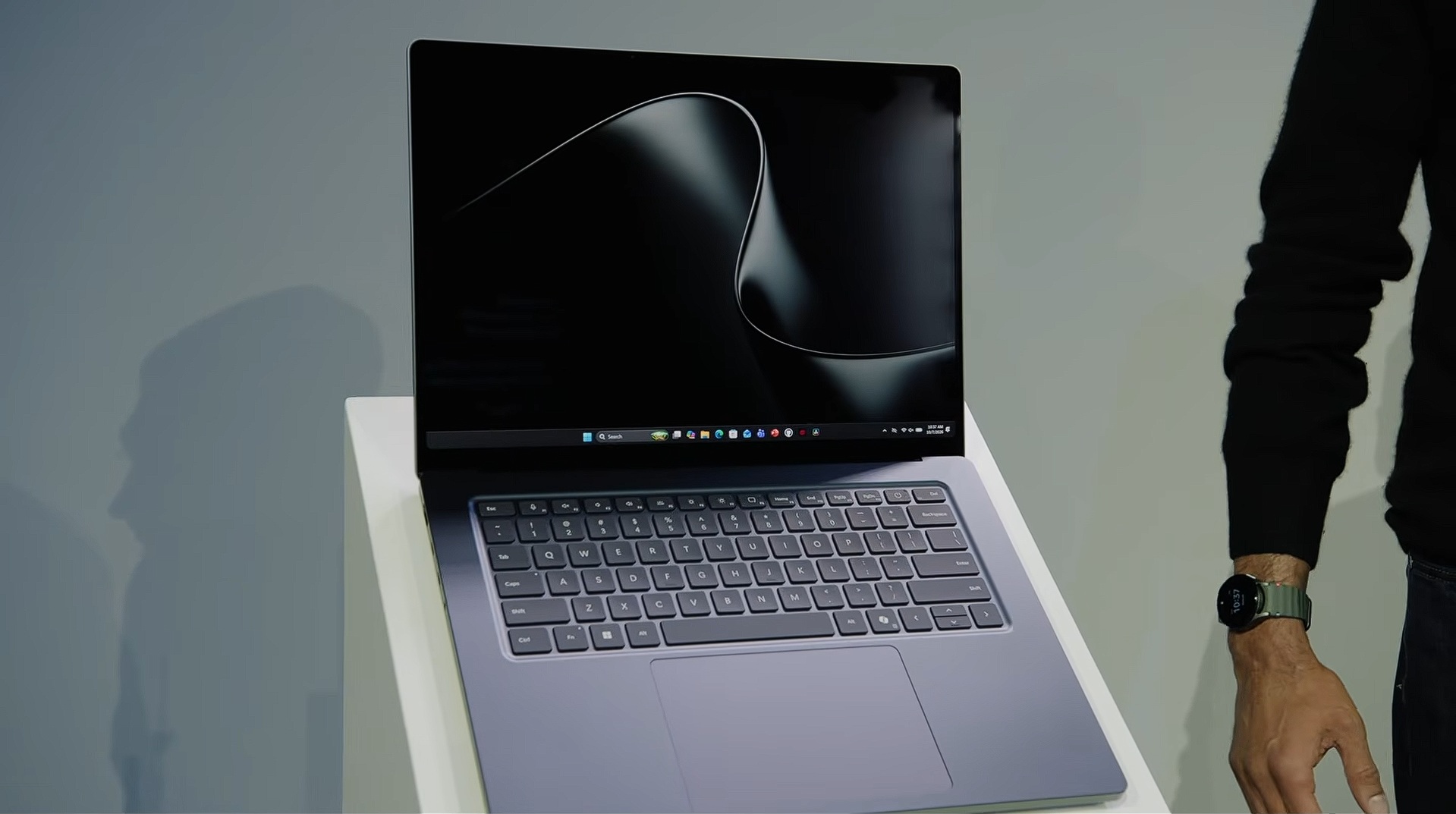
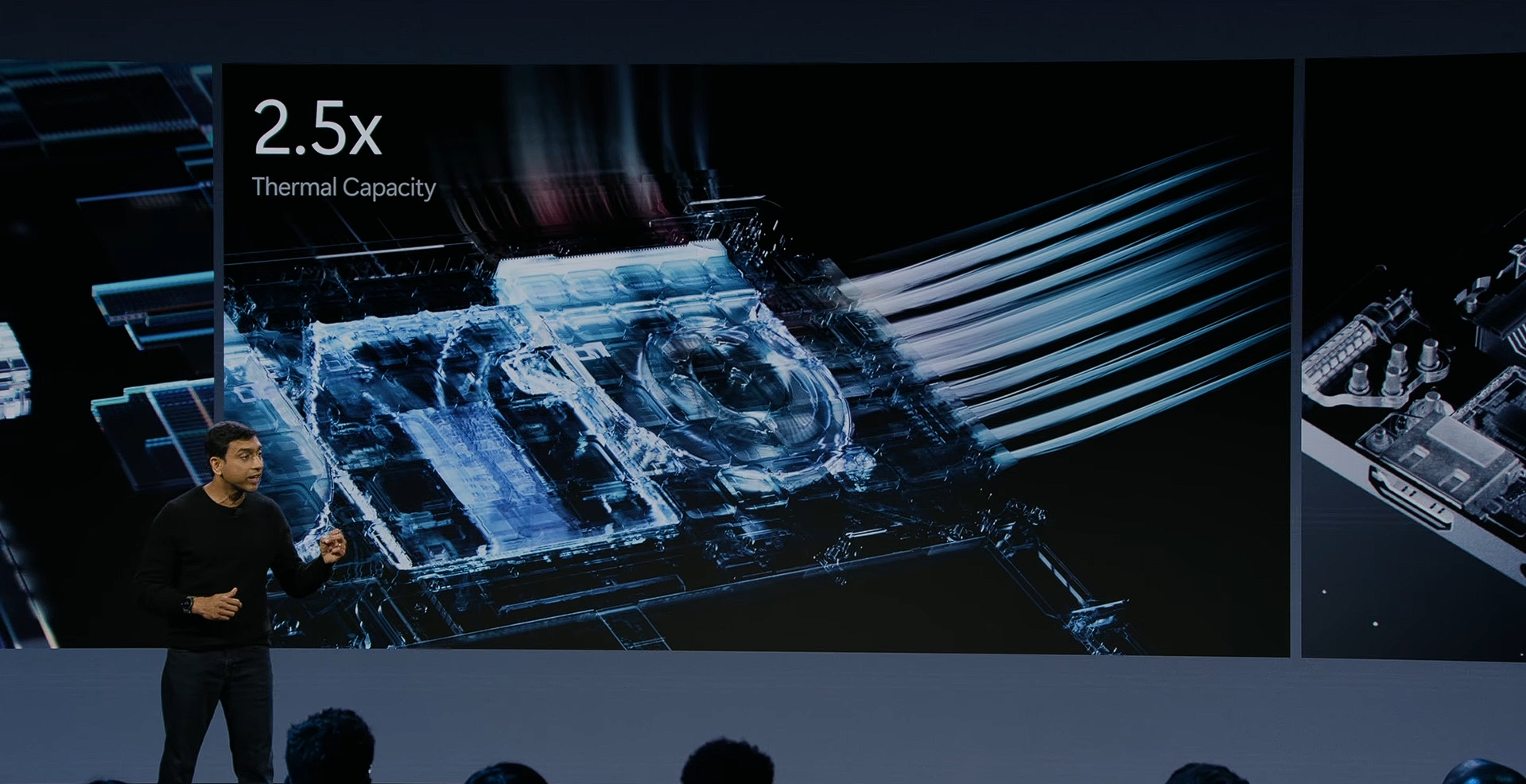
The Surface Laptop Ultra released this time uses NVIDIA's latest RTX Spark platform, which Microsoft positions as a new generation of high-performance PC for local artificial intelligence development and content creation. Pavan Davuluri, head of Microsoft's Windows and device business, said at the press conference that Surface Laptop Ultra is a device specially built for a new generation of creative work and can provide leading performance in running local AI models.
According to the test results announced by Microsoft, when equipped with 64GB of unified memory, a device equipped with the RTX Spark platform was compared with a 16-inch MacBook Pro M5 Pro equipped with 64GB of memory. Among them, the "first token output time" of the large language model can be increased by up to 2.1 times; the AI image generation task is up to 4.3 times faster; the AI video generation task is up to 6.2 times faster.
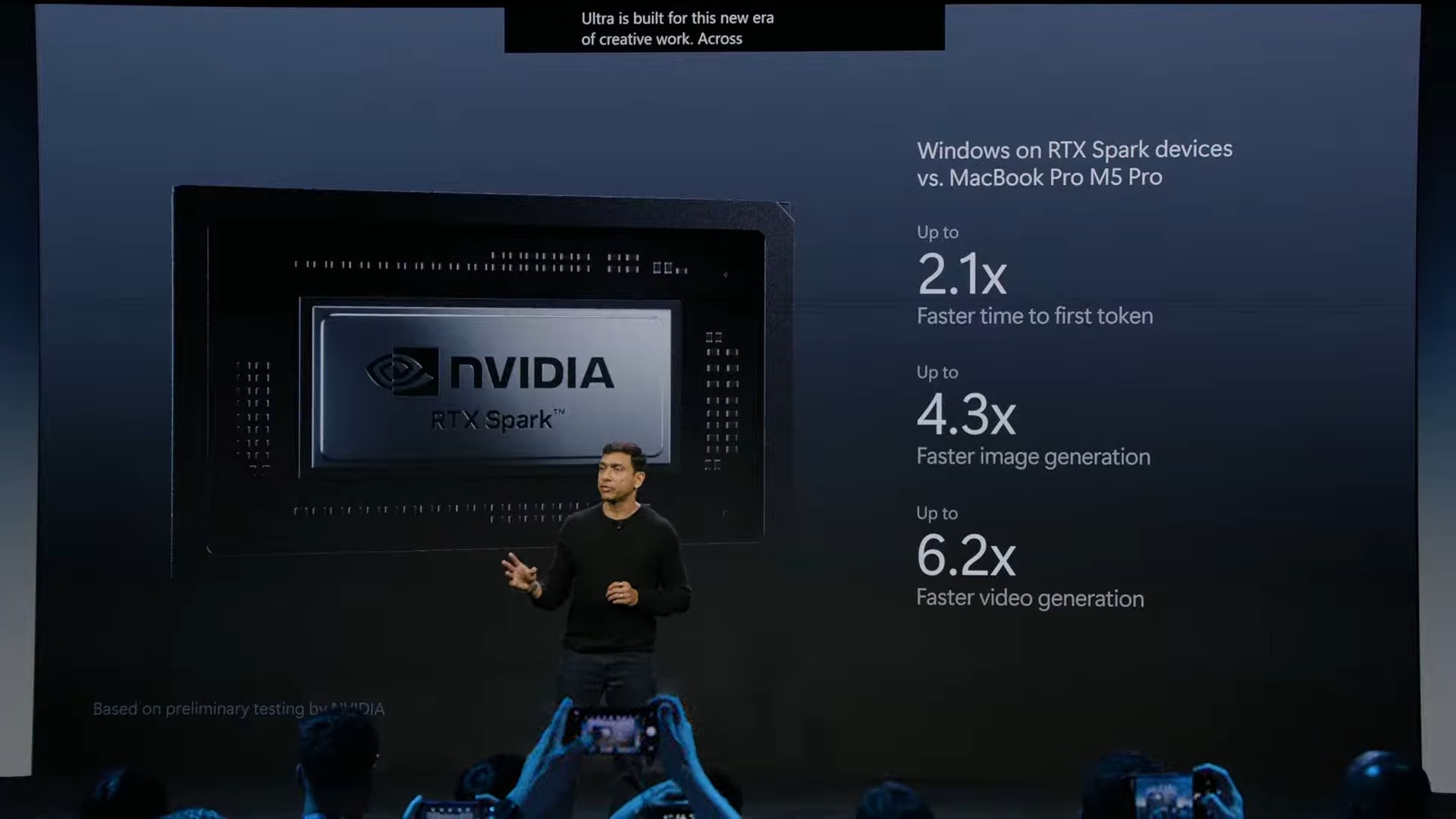
Microsoft specifically emphasized that local AI models have extremely high requirements for memory capacity and AI computing power, and the RTX Spark platform integrates large-capacity unified memory and up to 1 Petaflop level of AI computing power into a single device, so it can effectively shorten waiting time and improve generation efficiency.
However, this set of data has also triggered some discussions. Because almost all of the comparison projects announced by Microsoft revolve around generative AI, and for application scenarios more familiar to consumers, such as video editing, program compilation, office software, multitasking, battery life, and overall CPU performance, Microsoft did not provide any comparison data with the M5 Pro.
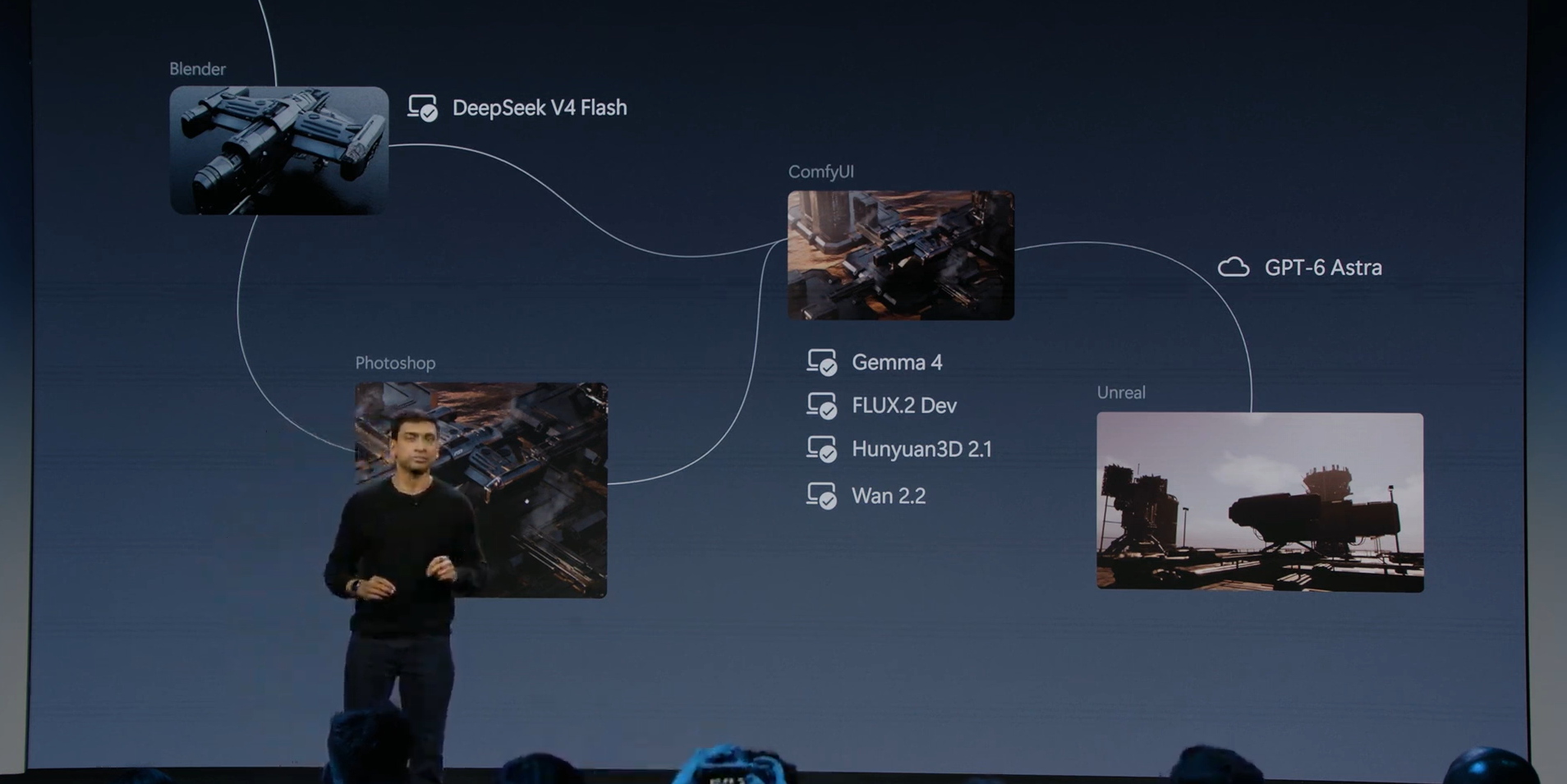
Throughout the launch event, Microsoft continued to emphasize the advantages of Surface Laptop Ultra in the field of local AI, but did not show the CPU benchmark results between RTX Spark and Apple M5 Pro, nor did it announce the horizontal comparison results of traditional productivity applications.
Industry observers believe that Microsoft's move reflects its current strategic focus on the "local AI computing" market. In recent years, Apple has attracted a large number of developers to buy Mac devices to run local large models with its large-capacity unified memory architecture and strong energy efficiency. Microsoft obviously hopes to use the CUDA ecosystem, high-capacity unified memory and powerful AI reasoning capabilities of the RTX Spark platform to launch a counterattack in this market.
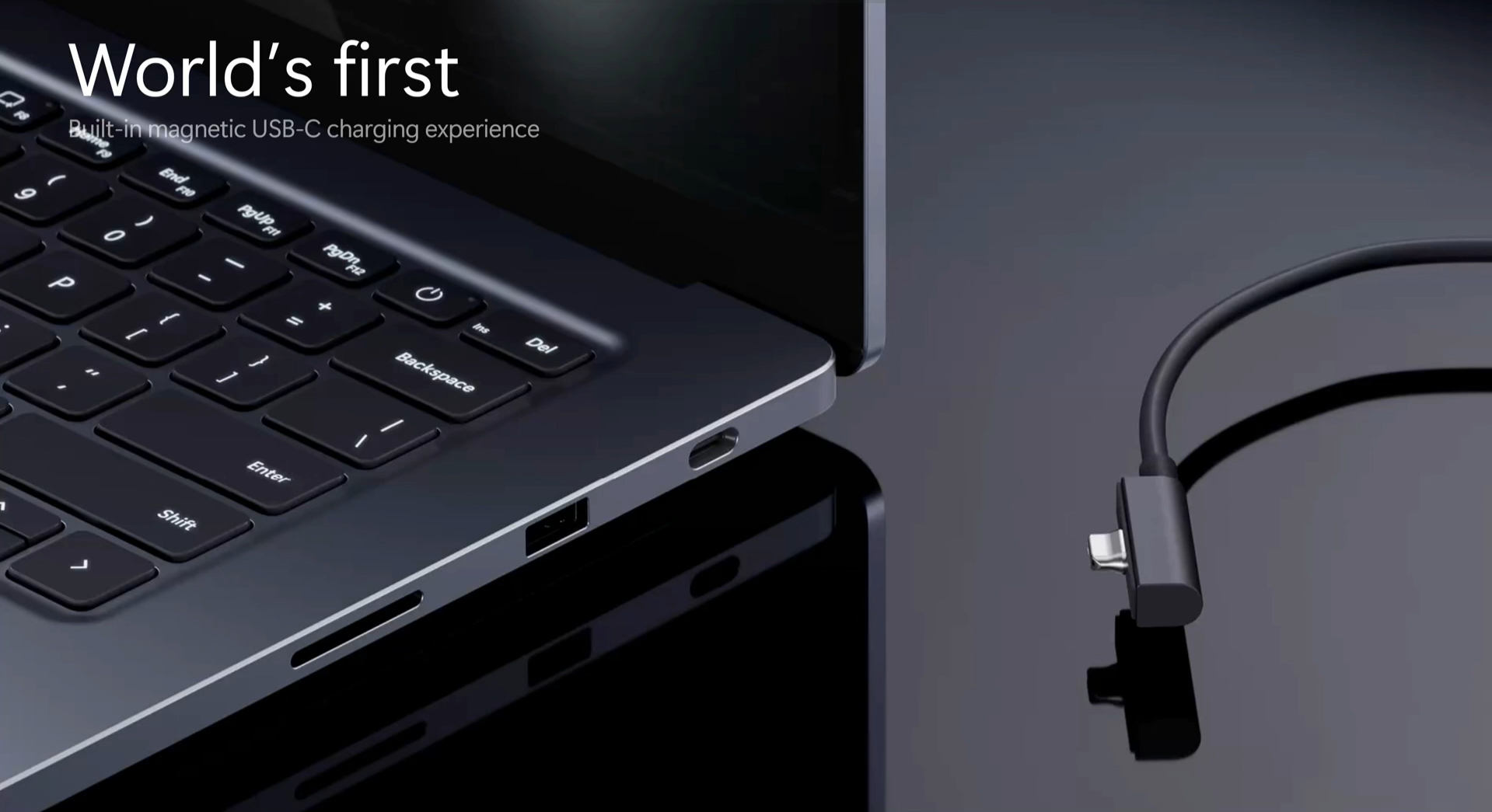
As the most powerful Surface notebook product in Microsoft's history, Surface Laptop Ultra can be equipped with up to 128GB of unified memory and supports local AI models with a running parameter scale of 120 billion. Microsoft hopes to prove through this product that the Windows platform can also become an important choice for local generative AI development and reasoning.
However, whether the Surface Laptop Ultra can truly fully challenge the MacBook Pro still needs to be independently tested and verified by more third-party evaluation agencies. At least judging from the data currently released by Microsoft, the promotion of "up to 6.2 times faster" is more directed at specific AI generation tasks, rather than the overall leadership in the overall performance of the entire notebook.
Comments