
Abstract:
On November 19, U.S. stocks, AI chip company AMD (AMD.O) fell 7.72%. On the news, short-selling agency Hunterbrook Capital has established a short position on AMD. Hunterbrook Media, a subsidiary of Hunterbrook Capital, issued a report questioning the risks posed by AMD's recurring transactions and financing guarantees to the company, and mentioned that the company faces export control risks.
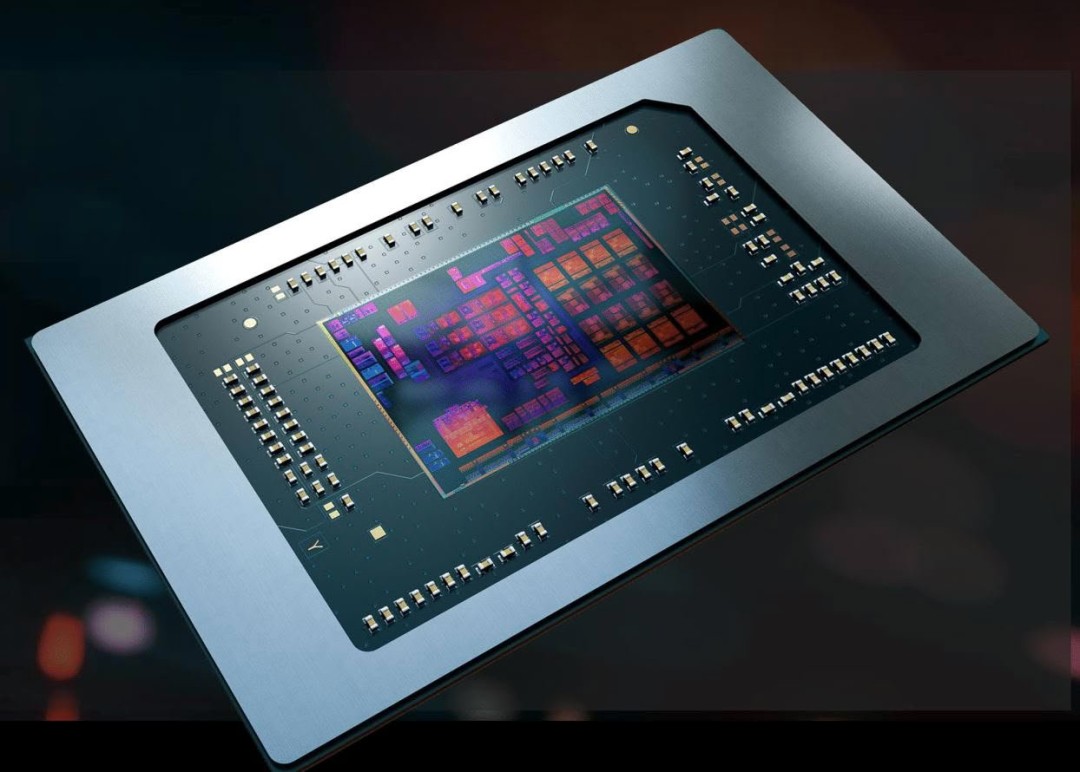
Hunterbrook Media said that AMD is not only selling chips, but also granting stock subscription rights to large customers, guaranteeing partners' leases and purchasing cloud capacity that they cannot sell. AMD has 320 million shares committed to OpenAI and Meta at an exercise price of $0.01 per share. Including guarantees, leasing and cloud capacity guarantees, AMD's credit support to partners reaches US$28 billion. AMD's commitment to suppliers reached US$48.8 billion, with a pending acquisition amount of US$11.1 billion mainly paid in AMD stock.
AMD's low-price grant of stocks to customers stems from the cooperation it reached with OpenAI and Meta in October last year and February this year respectively. AMD and Meta have reached a deal worth hundreds of billions of dollars and a scale of 6 gigawatts of computing power. AMD and OpenAI’s computing power cooperation has also reached a scale of 6 gigawatts. As part of the cooperation, AMD issued warrants to OpenAI and Meta, each of which can subscribe for up to 160 million shares of AMD common stock.
Hunterbrook Media questioned that AMD's business model is highly similar to Nvidia's, but it does not have Nvidia's profit margins and pricing power, and Nvidia does not allow customers to buy its own stocks at low prices. If Nvidia is the central bank of the AI world, AMD is more like the Silicon Valley Bank of the AI world. On the surface, AMD's finances are sound, but because the customers AMD helps finance support its own performance growth, once these customers cut back on spending, AMD may face weakening chip sales and shoulder tens of billions of dollars in financial liabilities.
In addition, Hunterbrook Media questioned that AMD may not be able to become a substitute for Nvidia in some overseas markets due to export controls.
AMD later responded that the relevant statements distorted AMD's business practices and cooperative relationships, and claimed that the company complied with export control regulations.
AMD announced its third-quarter 2026 financial report earlier this month. Revenue for the quarter was US$13.4 billion, a year-on-year increase of 45%, exceeding the company’s previous guidance. It also gave a fourth-quarter revenue midpoint guidance of US$17 billion, and the revenue guidance also exceeded market expectations. AMD also expects revenue to grow by more than 80% in 2027.
In September this year, AMD’s market value exceeded one trillion US dollars for the first time. Since November, AMD's stock price has fluctuated greatly. The closing market value on November 12 was US$959.8 billion, and the closing market value on November 19 was US$802.3 billion. The market value evaporated by US$157.5 billion within a week.
Comments